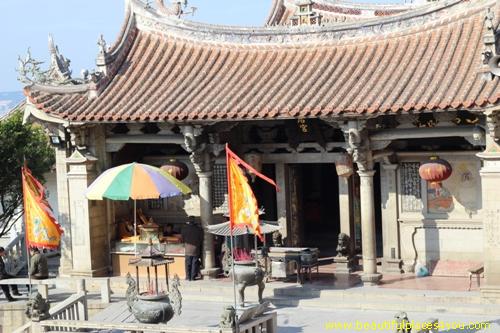
Meizhou Island Mazu Temple
This is the first Mazu Temple built in 987 in Goddess Mazu's Hometown.
A major cultural heritage site under national-level protection.
City: Putian City
Prefecture: Putian
Province: Fujian
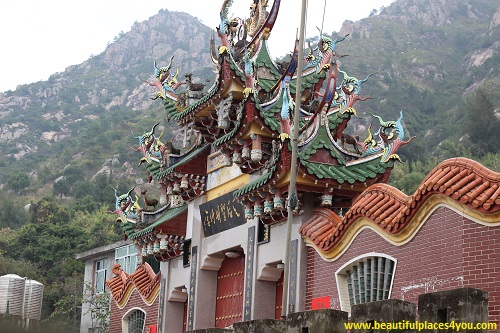
Songshan Tianhou Temple
Songshan Tianhou Temple. It was built between 1023-1032.
City: Xiapu County Ningde City
Prefecture: Ningde
Province: Fujian
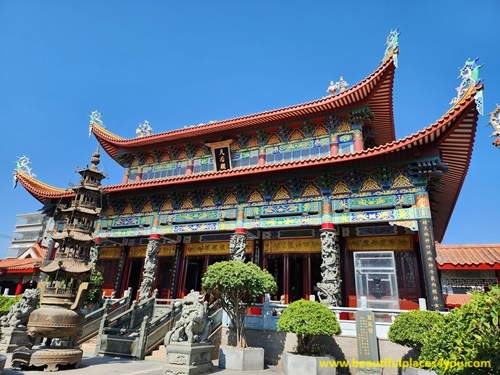
Fujian Changle Xianying Temple
This Temple was first built in 1138. The Temple complex has Hall of Goddess of Mercy and Hall of Mazu Goddess. The temple was rediscovered in 1992. Over 50 statues including the earliest statue of Zheng He was found here. The current Temple has new Halls for Goddess of Mercy and Hall of Mazu Goddess and access to the discovered ancient temple and artifacts.
A major cultural heritage site under national-level protection.
City: Fuzhou City Changle District
Prefecture: Fuzhou
Province: Fujian
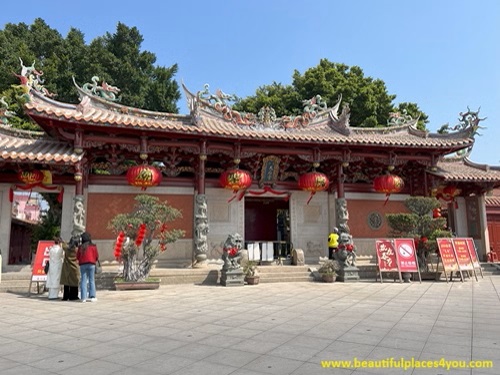
Quanzhou Tianhou Temple
Quanzhou Tianhou Temple was first built in 1196. This is the first Mazu Temple recognised as A Major Historical and Cultural Site Protected at the National Level.
A UNESCO World Heritage Site.
A Major Historical and Cultural Site Protected at the National Level.
City: Quanzhou City
Prefecture: Quanzhou
Province: Fujian
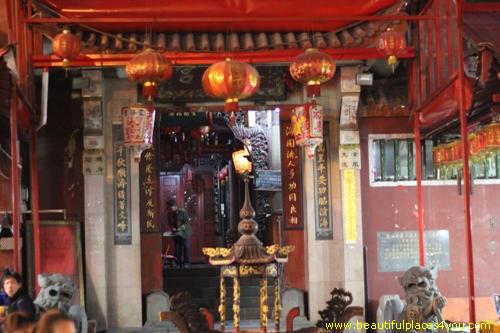
Wenfeng Gong
Wenfeng Gong is also known as Wenfeng Tianhou Gong. It was built in 1354 in Putian City.
City: Putian City
Prefecture: Putian
Province: Fujian
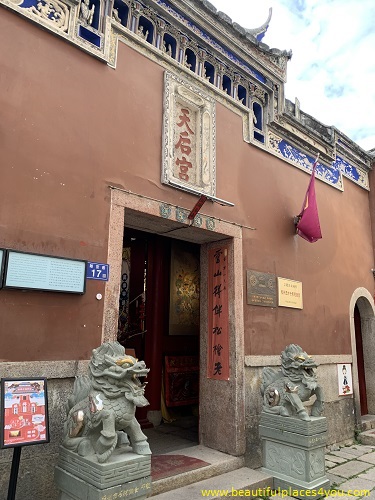
Fuzhou Tianhou Temple
Fuzhou Tianhou Temple was built during the Yuan Dynasty (1271–1368) and had a major renovation during the Qing Dynasty.
City: Fuzhou City Gulou District
Prefecture: Fuzhou
Province: Fujian
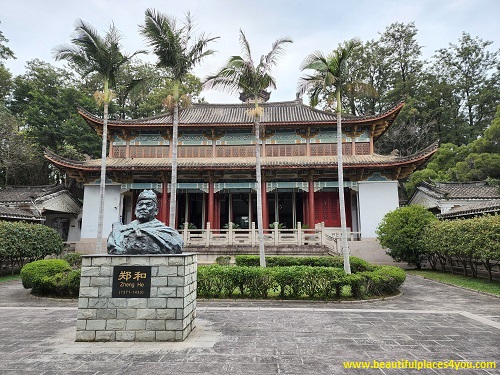
site of Nanshan Tianfei Temple
The Nanshan Tianfei Temple built on this site in 1412 at Admiral Zheng He's request.
It was relocated in 1761.
The museum was constructed in 1985 to celebrate the 500th anniversary of Admiral Zhenghe's voyages. The temple's bell and Admiral Zhenghe Steele recording the voyages are now in the museum.
City: Fuzhou City Changle District
Prefecture: Fuzhou
Province: Fujian
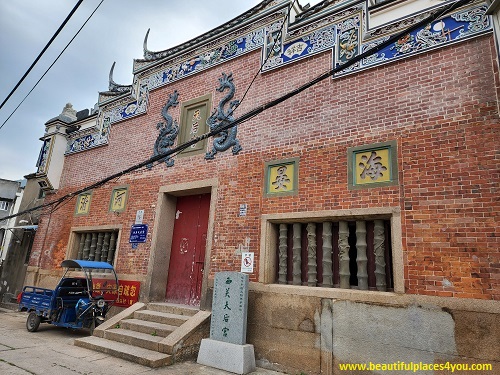
Xiguan Tianhou Temple
The Nanshan Tianfei Temple built in 1412 on Admiral Zheng He's request.It was relocated to the current site in 1761 and had a major repair in 1815.
City: Fuzhou City Changle District
Prefecture: Fuzhou
Province: Fujian
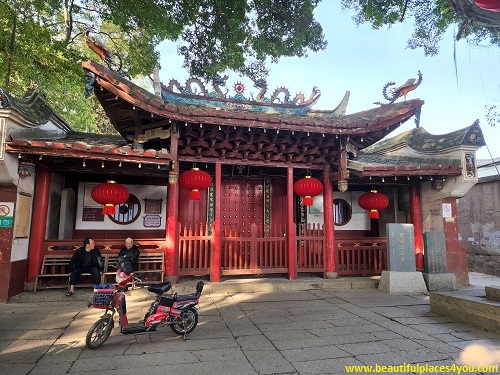
Louzhou Tianhou Temple
Louzhou Tianhou Temple was built during in the middle of Ming Dynasty (1368–1644).
City: Fuzhou City Cangshan District
Prefecture: Fuzhou
Province: Fujian
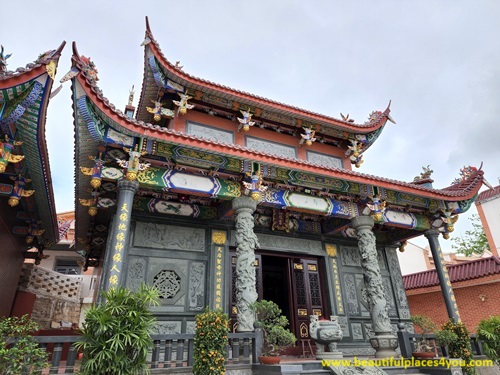
Fuqing Liqiao Street Tianhou Temple
The Tianhou Temple was founded in the Ming Dynasty (1368–1644).
City: Fuqing City
Prefecture: Fuzhou
Province: Fujian
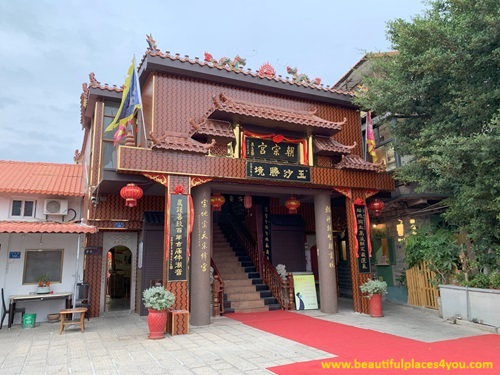
Chaozong Palace
The temple was first built in 1662 and located in the area formerly called Yushapo which has the only port designated by the Qing Dynasty governemnt for sailing to Taiwan. The government officials, sailors and merchants will seek Mazu's blessing in this temple before sailing.
City: Xiamen City
Prefecture: Xiamen City Siming District
Province: Fujian
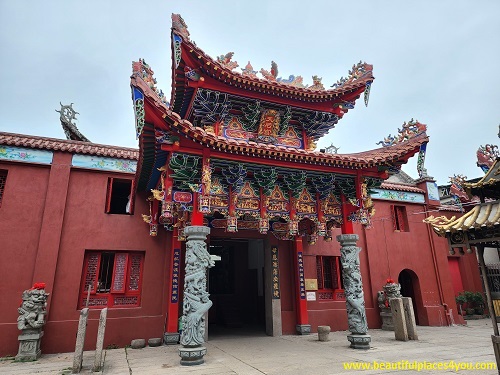
Fuqian Tianhou Temple
The temple founded in 1740.
County: Luoyuan County
Prefecture: Fuzhou
Province: Fujian
Province: Fujian
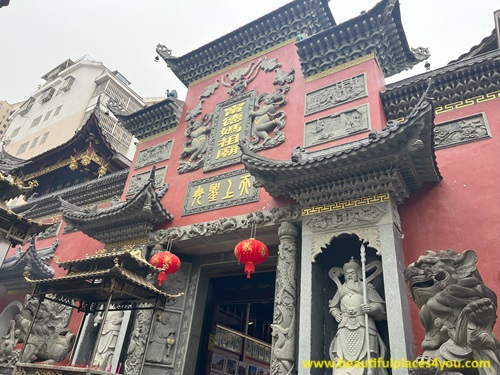
Ningde Tianhou Temple
This Tianhou Temple was founded in 1762. It was the site of negotiation between the nationalist and communist forces in 1937.
City: Jiaocheng District Ningde City
Prefecture: Ningde
Province: Fujian
Province: Fujian
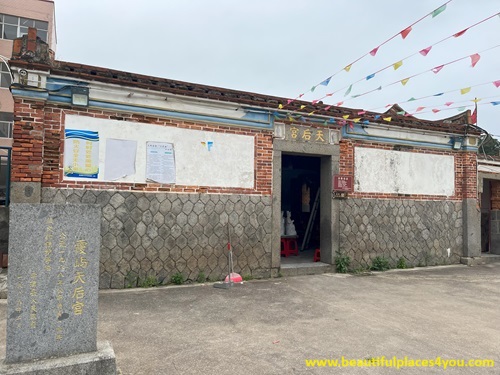
Xiayu Tianhou Temple
This Temple of the Queen of Heaven or Tianhou Temple in Xiayu Village is the oldest on Pingtan island. It was built in 1773.
City: Pingtan County
Prefecture: Fuzhou
Province: Fujian
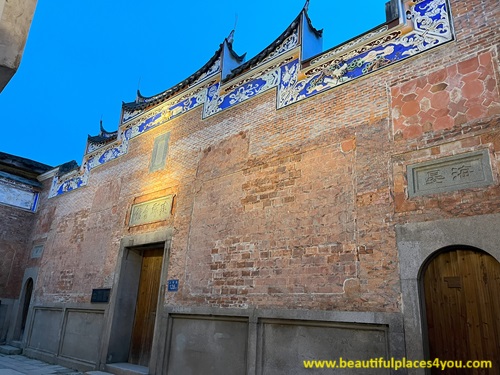
Shangxiahang Cultural Historical Block Jianjun Guild Hall
This Guild Hall was built by merchants from the former Jianning prefecture during Emperor Jiaqing era (1769-1820). The Chinese words "Tian Hou Gong" above the entrance was because the former Guild Hall enshrined sea goddess Mazu.
City: Taijiang District Fuzhou City
Prefecture: Fuzhou
Province: Fujian
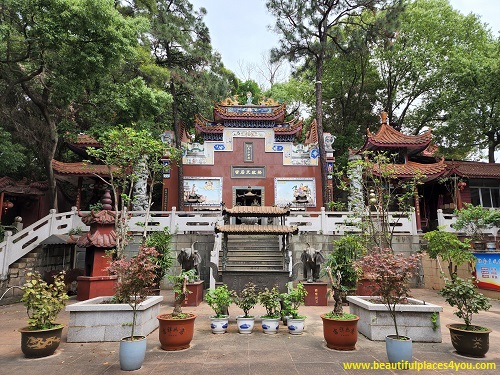
Shipping Culture Tianhou Temple
The temple was first built in 1868 and reconstructed in 2008.
City: Fuzhou City Mawei District
Prefecture: Fuzhou
Province: Fujian
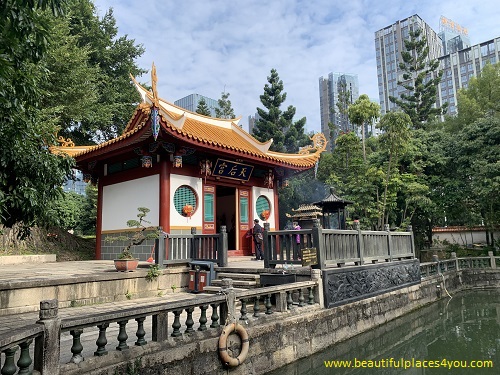
Xichan Temple Tianhou Temple
The Tianhou Temple was built in the temple ground in the late 1800s in respsone to request from some overseas Chinese who had donated for the repair of the temple.
City: Fuzhou City
Prefecture: Fuzhou
Province: Fujian
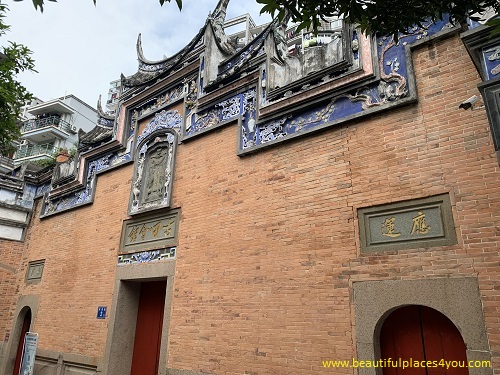
Gutian Guild House Tianhou Temple
The Guild House and Temple were built in 1915 by merchants from Gutian.
City: Fuzhou City Taijiang District
Prefecture: Fuzhou
Province: Fujian
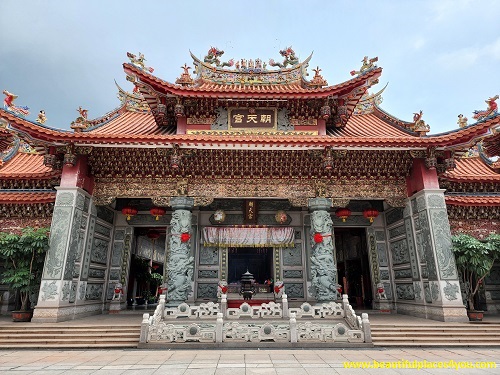
Minnan Chaotian Temple
The temple opened in 2013.
City: Xiamen City Huli District
Prefecture: Xiamen
Province: Fujian
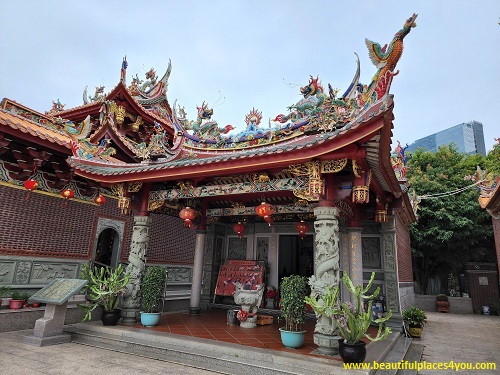
Guanyinshan Mazu Temple
City: Xiamen City
Prefecture: Xiamen City Siming District
Province: Fujian
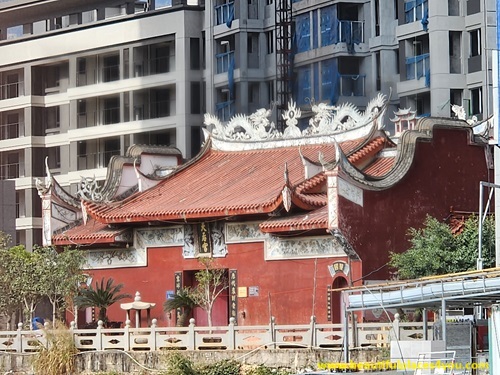
Yongtai Tianhou Temple
County: Yongtai County
Prefecture: Fuzhou
Province: Fujian
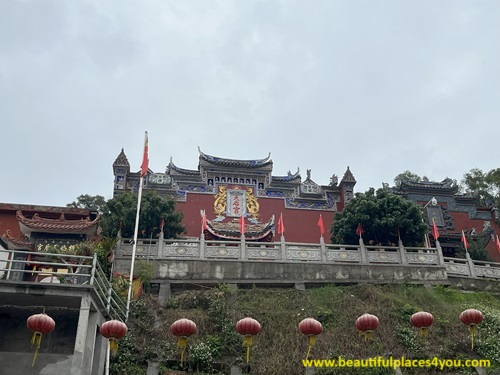
Hengyu Tianhou Temple
District: Jingan District
Prefecture: Fuzhou
Province: Fujian
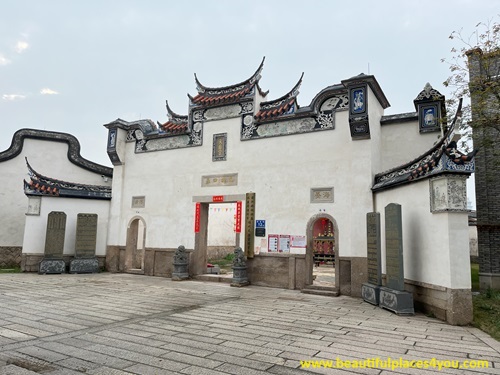
Nangong Estuary Tianhou Temple
City: Fuzhou City Taijiang District
Prefecture: Fuzhou
Province: Fujian
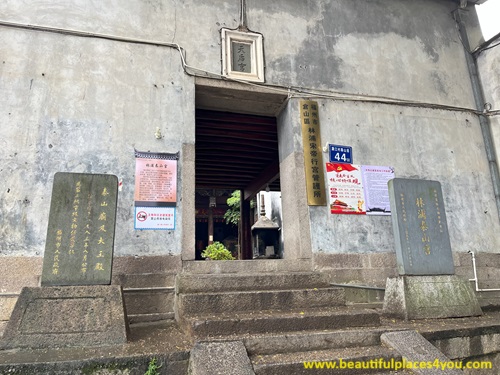
Linpu Village Tianhou Temple
City: Fuzhou City Cangshan District
Prefecture: Fuzhou
Province: Fujian
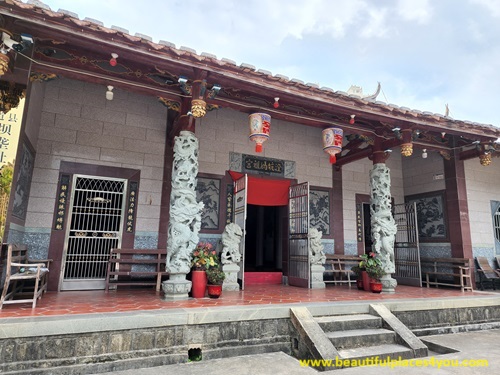
Xianyou Chengkeng Mazu Temple
County: Xianyou County
Prefecture: Putian
Province: Fujian
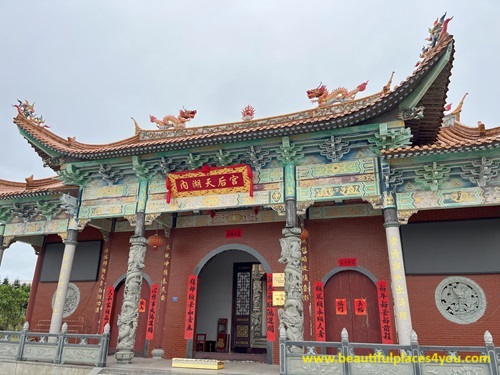
Neihu Tianhou Temple
City: Pingtan County
Prefecture: Fuzhou
Province: Fujian
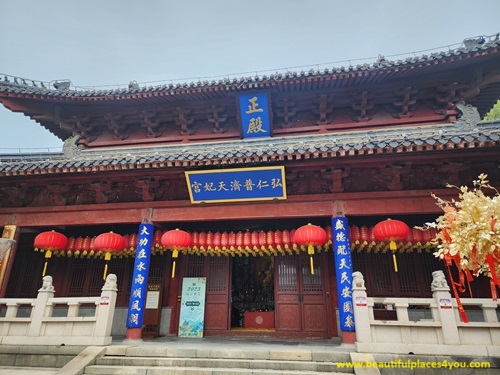
Nanjing Tianfei Palace
This Tianfei Palace or Princess of Heavan Palace was built in 1407 during the Ming Dynasty to honour Goddess Mazu for blessing Admiral Zhenghe after his successful first voyage. for the next 6 voyages, Admiral Zhenghe seek Goddess Mazu's blessing before each sailing and came back to thank her after each return.
City: Nanjing City
Prefecture: Nanjing City Gulou District
Province: Jiangsu
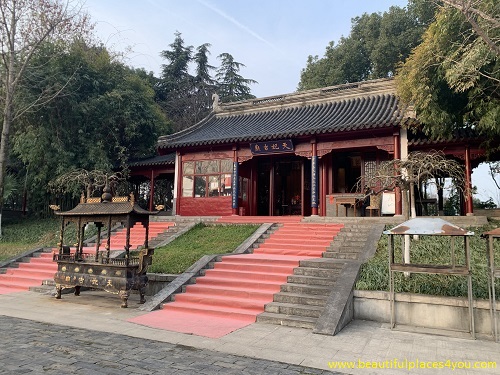
Treasure Ship Ruins Park Tianfei Ancient Temple
This Mazu Temple was first built in 1407 after Admiral Zhenghe returned from the first voyage. It was reconstructed in 2005 for the 600th anniversary of the voyages.
City: Nanjing City
Prefecture: Nanjing City Gulou District
Province: Jiangsu

Jinling Tianfei Palace
This Tianfei Palace or Princess of Heavan Palace was built in 1416 during the Ming Dynasty to honour Goddess Mazu after Admiral Zhenghe returned from his 4th voyage. The temple was damaged during wartime in 1853 and 1937. The current temple was rebuilt in 2005 to commemorate the 600th anniversary of Admiral Zhenghe's voyages.
Taicang Tianfei Palace
Taicang Tianfei Palace was built in the Yuan Dynasty and is one of the "Four Great Mazu Temples" of the Yuan Dynasty.
Admiral Zheng He prayed at this temple before embarking on his voyages.
City: Liuhe Town, Taicang City
Province: Jiangsu
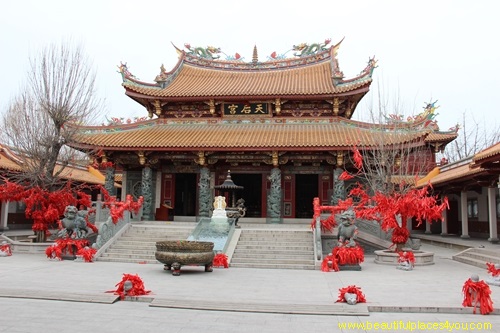
Taierzhuang Ancient City Tianhou Temple
The orginal Tianhou Temple was built during the Qing Dynasty Emperor Yongzhen period when Taierzhuang was a major commerical hub along the Grand Canal. The entire city and the temple was completely destroyed during the 1938 War of Resistance against Japanese Agression. The current temple was constructed in 2012 as part of the Taierzhuang Cultural Heritage Park.
City: Zaozhuang City Taierzhuang District
Province: Shandong
Penglai Mazu Temple
The Mazu Temple was built in 1122. It is one of the earliest Mazu Temple.
City: Penglai City
Prefecture: Yantai
Province: Shandong
Yantai Fujian Guild Hall Tianhou Palace
The Mazu Temple was built between 1884 and 1906 by Fujian merchants.
City: Yantai City
Prefecture: Yantai
Province: Shandong
Qingdao Mazu Temple
The Mazu Temple was built in 1476 and the oldest in the city.
City: Qingdao City Shinan District
Prefecture: Qingdao
Province: Shandong
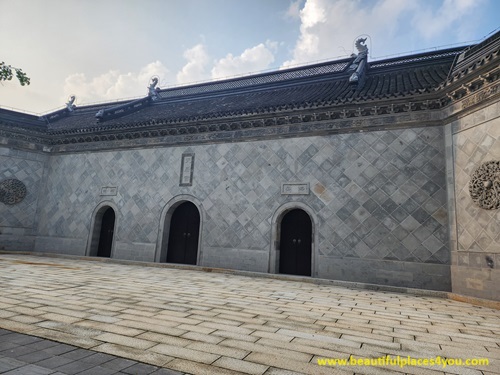
Shanghai Tianhou Temple
The original temple at the confluence of Huangpu and Suzhou River was authorised by the Qing Dynasty goverment and built in 1884. It became the largest temple in the city and goverment officials pray at the temple before sailing overseas. In 1929, the temple was used as a school before the temple reopening in 1938. In 1946, the temple site became a school again.
In 1978, the main hall of the temple was relocated to Fangtai Park as a tea house till 2000 when it opens as a Tianhou temple.
The other structures including the stage remains on the site till 2006 when they were removed for preservation. In 2016, the preservation strucutres where used to built the current temple which opened in 2022.
City: Shanghai City Jingan District
Municipality: Shanghai
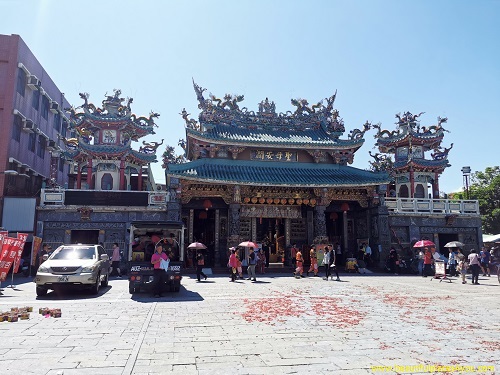
Anping Matsu Temple
The Temple was built in 1668 soon after Koxinga retook Taiwan from the Dutch in 1668. It houses one of the three Mazu statue Kongxinga brought from Meihou China and has tablets from Emperor Guangxu. Several miracles around the temple were believed to be performed by Goddess Mazu including leading the initial settlers of Anping, protection from WWII bombing, producing miraculous sweat and protecting her statue in the 1990 temple fire.
City: Tainan City
Province: Taiwan
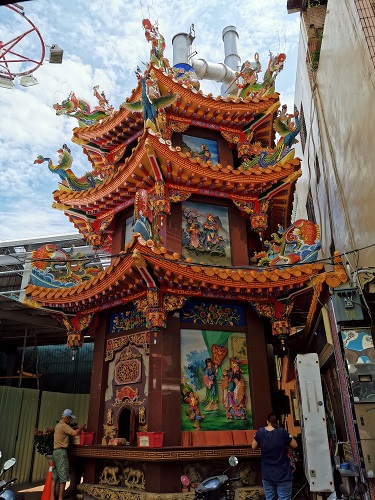
Cijin Tianhou Temple
Cijin Tianhou Temple opened in 1673 and the first Mazu Temple in Kaohsung City. The temple was founded by fishermen who landed there during a typhoon and settled down in the area.
City: Kaohsiung City Cijin District
Province: Taiwan
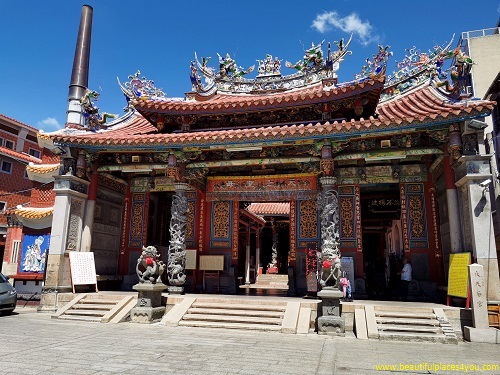
Grand Matsu Temple
The Grand Mazu Temple was converted from the former Palace of Southern Ming Prince in 1684 after the Qing Dynasty conquest of Taiwan. It is the first Temple to use the "Empress of Heaven" that Qing Dynasty Emperor had newly granted Goddness Mau and the first built by a government in Taiwan. The "Princess of Heaven" title was previously used in earlier temples.
City: Tainan City
Province: Taiwan
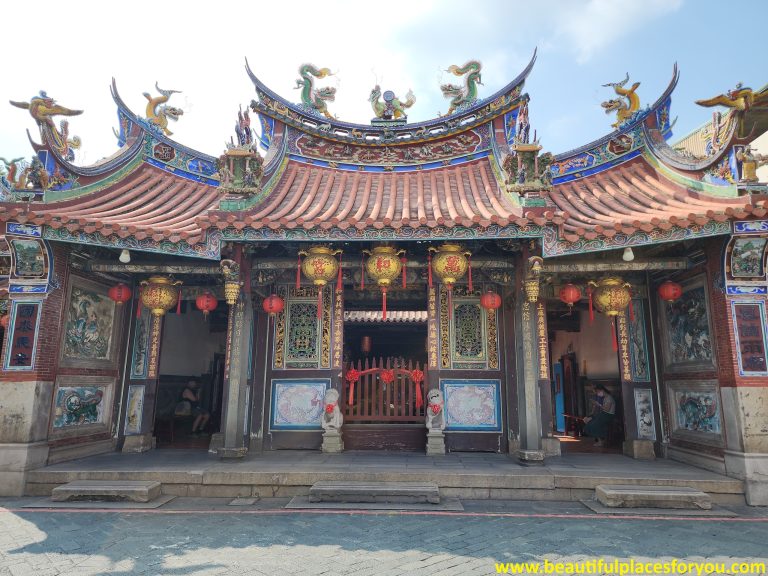
Wanhe Temple
Wanhe Temple opened in 1726.
City: Nantun District, Taichung City
Province: Taiwan
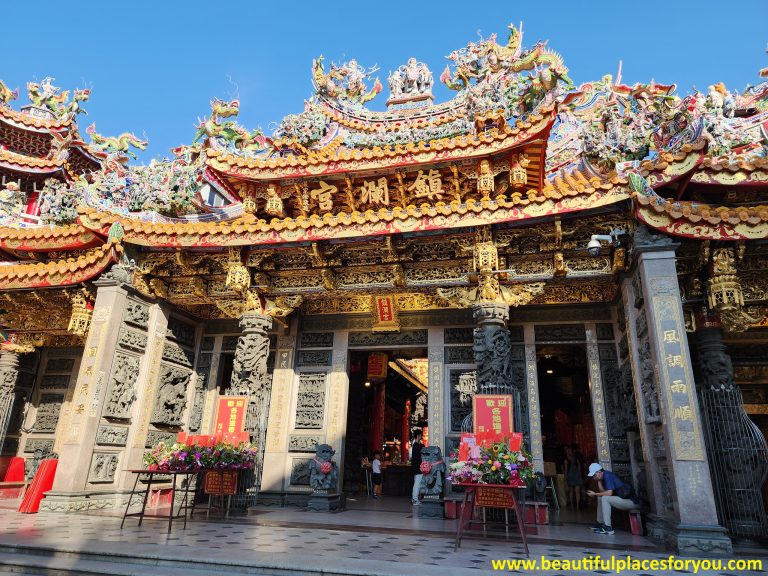
Dajia Jenn Lann Temple
Dajia Jenn Lann Temple is also known as the Mazu Temple opened in 1730.
City: Dajia District, Taichung City
Province: Taiwan
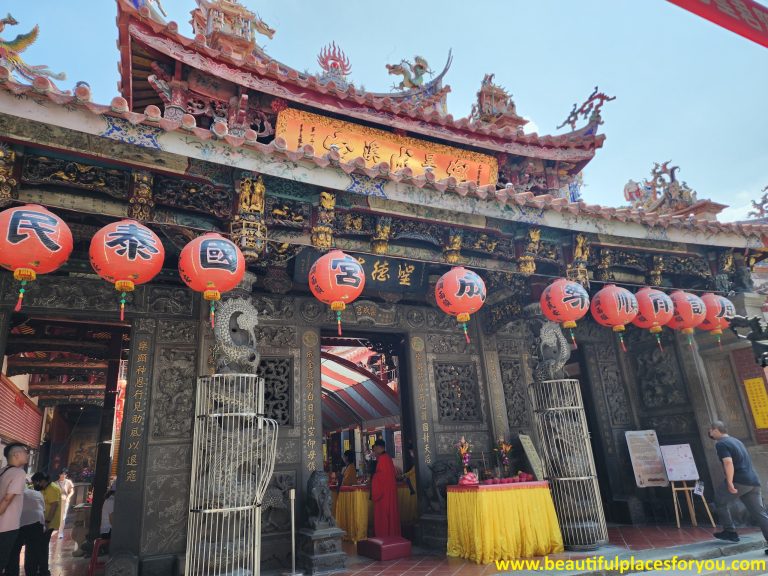
Leh Cherng Temple
Leh Cherng Temple at the current site was built in 1791. The original temple was constructed during the Qing Dynasty Qianlong era when the construction was authorised by the Meichou Matsu Temple.
City: Dajia District, Taichung City
Province: Taiwan
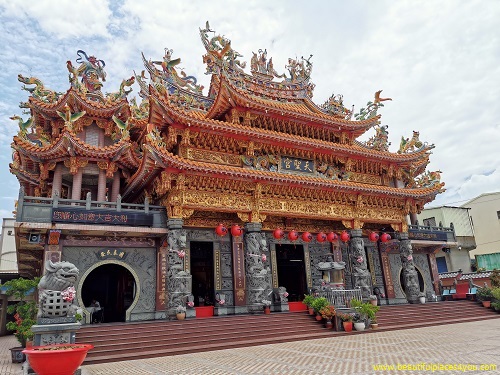
Tiansheng Temple
This Mazu Temple was built in 1963.
City: Kaohsiung City Cijin District
Province: Taiwan
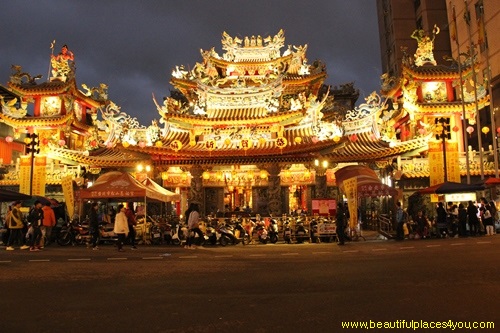
Ciyou Temple
The temple was founded in 1753 by a monk who raised money for the temple with a group of Mazu devotees.
Nearest Metro station: Songshan Station
City: Taipei City Songshan District
Province: Taiwan
Lukang Mazu Temple
Lukang Mazu Temple was believed to be founded in 1590. The temple at the current site was built in 1725. The temple is famous for its carved stones and wooden beams. The temple has 3 plaques given by the Qing Emperors.
City: Changhua County
Province: Taiwan
Penghu Mazu Temple
Penghu Mazu Temple is believed to be the earliest Mazu temple in Taiwan. It is believed to be founded in 1281 by Mongol Dynasty Emperor. In 1280, Mongol Dynasty sent a naval force to attack Japan. They were caught in the typhoon and sailors dreamt of Goddess Mazu helping them while drafting at sea and eventually landed in Penghu.
City: Penghu County
Province: Taiwan
Longfeng Temple
Longfeng Temple was founded in 1611. It is one of the oldest temple in the county.
City: Kinmen County Jinsha Township
Province: Taiwan
Guangfu Temple
Guangfu Temple was established in 1644 by a monk Shu Bi who brought a statue of Mazu from Meihou, China. Beigang Chaotian Temple is the ancestral temple for many other Mazu Temples in Taiwan and is honored with an annual pilgrimage by the new temples' worshippers.
City: Yunlin County Xilou Township
Province: Taiwan
Orthodox Luermen Mazu Temple
Orthodox Luermen Mazu Temple is the world largest Mazu Temple. It was built in 1661 by Koxinga in honor of Goddess Mazu. He credited Goddess Mau for blessing him with a safe landing when the sea level rose for his fleet to overcome the obstacles place by the Dutch.
City: Tainan County
Province: Taiwan
Fuan Temple
Fuan Temple was founded in 1677.
City: Changhua County Shengang Township
Province: Taiwan
Peitian Temple
Peitian Temple opened in 1682.
City: Jiayi County Puzi City
Province: Taiwan
Gangkou Temple
Gangkou Temple opened in 1684 by a settler Lin Kai from Meizhou Island.
City: Jiayi County Dongshi Township
Province: Taiwan
Xingan Temple
Xingan Temple is the first Mazu Temple built in Lukang. It was built in 1684 by immigrants from Xinghua China who brought along Mazu and built the temple. Xingan means "Prosperous and safe" in Chinese.
City: Changhua County
Province: Taiwan
Cihyu Temple
Cihyu Temple was founded in 1685.
City: Miaoli County Zhunan Township
Province: Taiwan
Cide Temple
Cide Temple opened in 1687.
City: Kaohsiung City Cijin District
Province: Taiwan
Beigang Chaotian Temple
Beigang Chaotian Temple was established in 1694 by a monk Shu Bi who brought a statue of Mazu from Meihou, China. Beigang Chaotian Temple is the ancestral temple for many other Mazu Temples in Taiwan and is honored with an annual pilgrimage by the new temples' worshippers.
City: Yunlin County
Province: Taiwan
Guandu Temple
The temple was opened in 1712.
City: Taipei City Beitou District
Province: Taiwan
Haotian Temple
Haotian Temple was founded in 1738 by Hakka community in Chencuozhuang village. It was relocated to present site in 1856.
City: Wuqi District, Taichung City
Province: Taiwan
Nanyao Temple
Nanyao Temple was founded in 1738.
City: Changhua County Nanyao Village
Province: Taiwan
Gongfang Temple
The Temple opened in 1742.
City: Yunlin County Mailiao Township
Province: Taiwan
Ximending Mazu Temple
The Temple was built in 1746 with funds from Zhanghou and Quanzhou immigrant merchants.
City: Taipei City Wanhua District
Province: Taiwan
Heping Island Mazu Temple
The Temple was first built in 1747. The temple at the current site was built in 1949. This temple is believed to Keelung's first Mazu Temple and the oldest in North Taiwan.
City: Keelung City Zhongzheng District
Province: Taiwan
Tianmen Temple
Tianmen Temple was believed to be founded in 1755.
City: Changhua County Shetou Township
Province: Taiwan
Tzu Yu Temple
The temple was founded in 1757 by immigrants from Quanzhou for the `3 villages in the Songshan area. The Mazu statue was from a Monk Heng Zhen. The temple was the first in Taiwan to have a Mazu statue consecrated and enshrined in mainland China.
City: Taipei City Songshan District
Province: Taiwan
Ande Temple
Ande Temple was founded in 1801.
City: Keelung City Nuannuan District
Province: Taiwan
Dianan Temple
Dianan Temple was founded in 1806.
City: Changhua County Beidou Township
Province: Taiwan
Fengtian Temple
Fengtian Temple was founded in 1811 by Xingang community to house relics from another Tianhou Temple in the area that was destroyed by flooding. .
City: Jiayi County Xingang Township
Province: Taiwan
Fuhai Temple
Fuhai Temple was founded in 1812.
City: Changhua County Fangyuan Township
Province: Taiwan
Xinwu Tianhou Temple
The temple opened in 1826 and has the world's 3rd tallest Mazu statue.
City: Taoyuan City Xinwu District
Province: Taiwan
Shuntian Temple
Shuntian Temple was founded in 1856.
City: Miaoli County Yuanli Township
Province: Taiwan
Gongtian Temple
Gongtian Temple was founded in 1863.
City: Miaoli County Tongxiao Township
Province: Taiwan
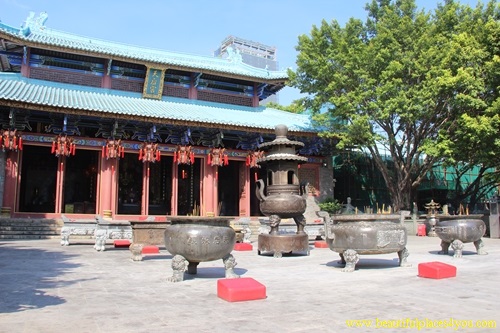
Chiwan Tianhou Temple
Chiwan Tianhou Temple was built during the Song Dynasty. It is one of the important stopover for Admiral Zheng He's fleet. In 1403, Admiral Zhenghe fleet sailed past shenzhen. He sent officals to repair the main entrance of the temple and planted a tree in the temple ground.
Nearest Metro Station: Taoyuan station, Line 1 Luobao Line, Walking distance
City: Shenzhen City Nanshan District
Prefecture: Shenzhen
Province: Guangdong Province
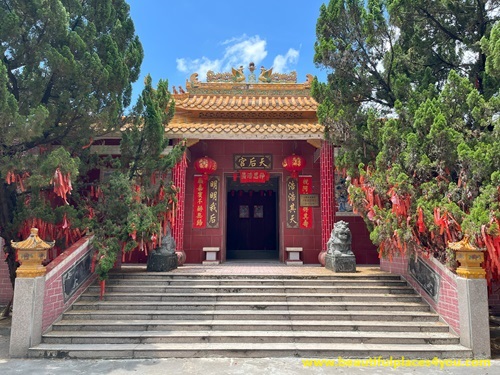
Heyuan Tianhou Temple
This Tianhou Temple was first built during the Northern Song Dynasty (960-1127). It was reconstructed in 1680 during the Qing Dynasty and relocated to this site in recent time.
City: Heyuan City
Prefecture: Heyuan
Province: Guangdong Province
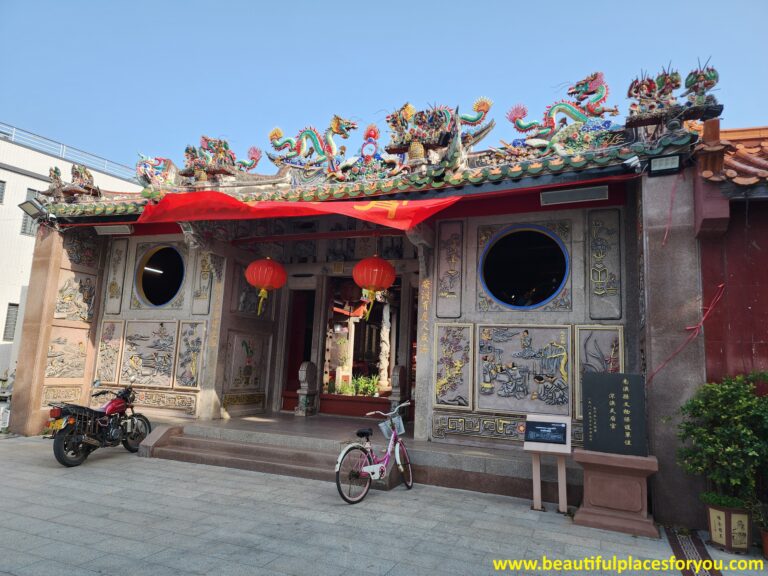
Shen'ao Tianhou Ancient Temple
This Tianhou Temple was first built during the Song Dynasty. It is one of the earliest Mazu Temple in the Chaoshan area. The temple was rebuilt at this site in 1688.
City: Shantou City
Prefecture: Shantou
Province: Guangdong Province
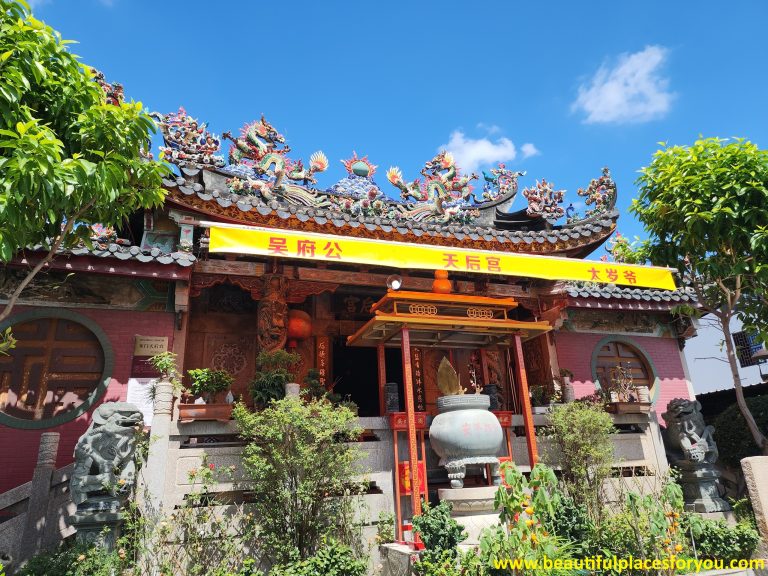
Chaozhou Tianhou Temple
This Tianhou Temple was first built during the Yuan Dynasty in 1288. It was reconstructed in 2002.
City: Chaozhou City
Prefecture: Chaozhou
Province: Guangdong Province
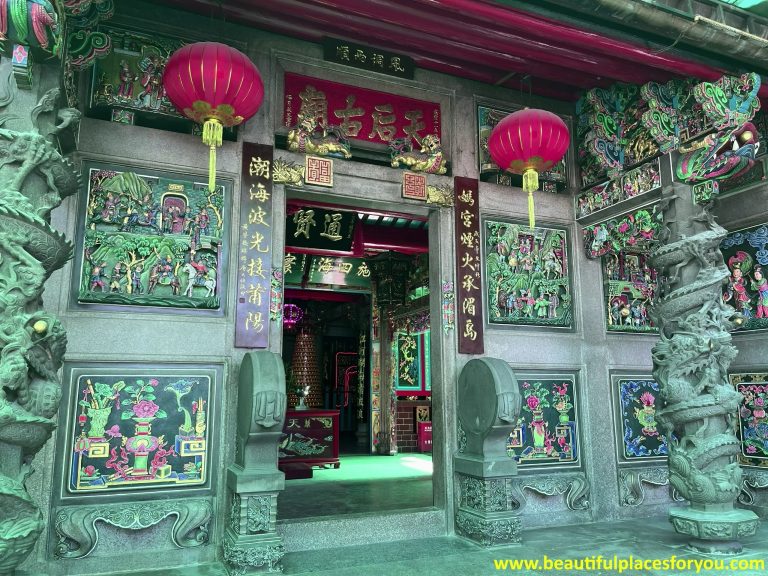
Mayu Island Old Tianhou Ancient Temple
This Tianhou Temple was first built during the Yuan Dynasty in 1368 by fishermen who brought incense from Meizhou Mazu Temple.
City: Shantou City
Prefecture: Chaozhou
Province: Guangdong Province
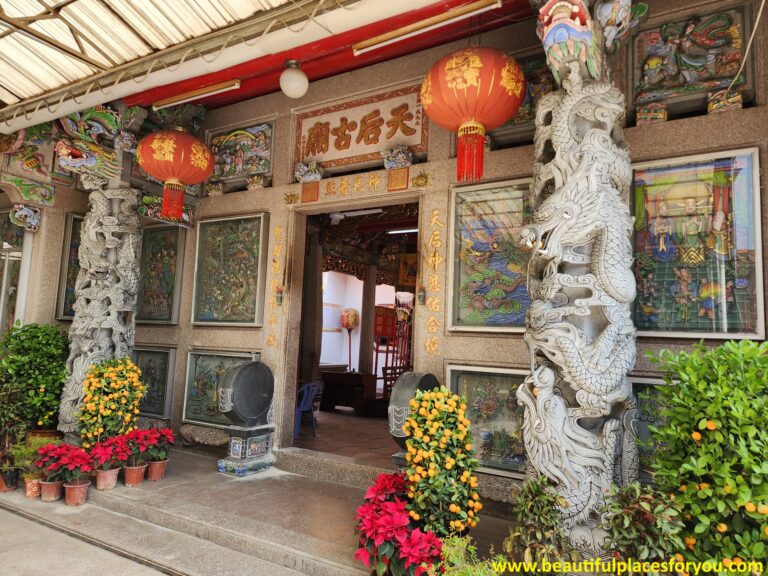
Wutian Tianhou Ancient Temple
This Tianhou Temple was first built during the Yuan Dynasty for the Wutian village. The temple was reloact3ed to this site in 1988. The locals believed Goddess Mazu protected the village from harm during the WWII Japanese arial bombing.
City: Shantou City
Prefecture: Chaozhou
Province: Guangdong Province
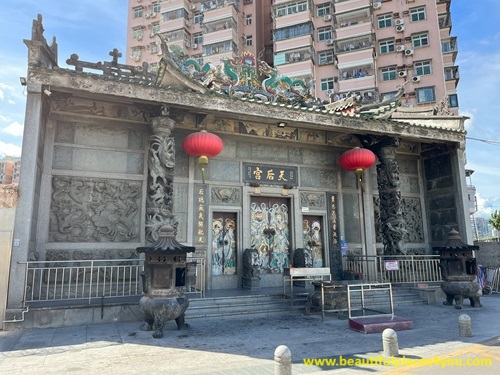
Sungang Tianhou Temple
The Sungang village Tianhou Temple was founded during the late Yuan or early Ming Dynasty. Nearby Sungang Subway station Line 7.
City: Shenzhen City Luohu District
Prefecture: Shenzhen
Province: Guangdong Province
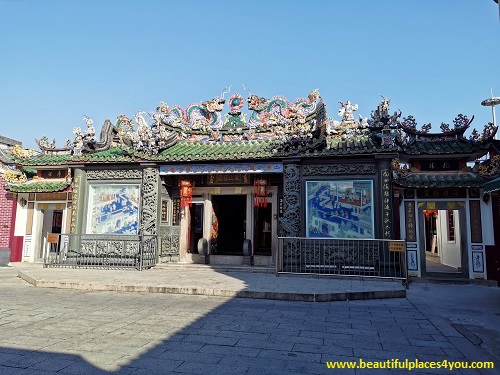
Fengshan Ancestor Temple
Fengshan Ancestor Temple is also known as Fengshan Mazu Temple. The temple was built in 1636 and expanded in 1742. The temple witnessed the growth of the Shanwei habour. It is within the Fengshan Mazu Temple Tourist area.
City: Shanwei City
Prefecture: Shanwei
Province: Guangdong Province
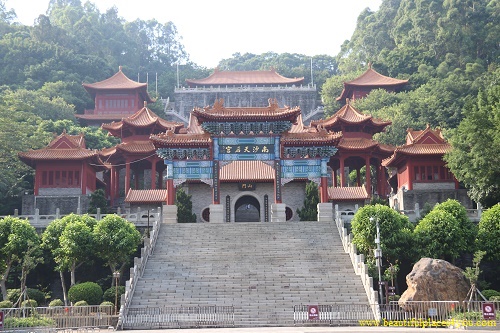
Nansha Tianhou Palace
The temple was first built in the Ming dynasty as Tianfei Temple. The current temple was rebuilt in 1996.
Nearest subway station: Jinzhou Station, Line 4.
City: Guangzhou City Nansha District
Province: Guangdong Province
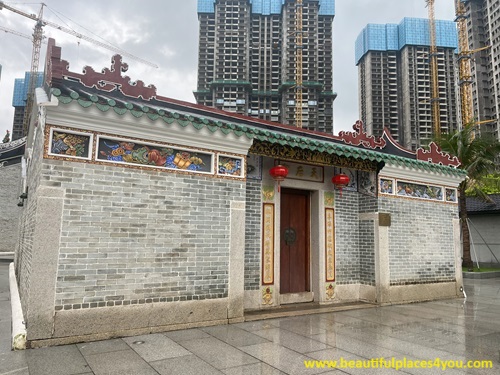
Shangsha Tianhou Temple
The village temple for Shangsha village was founded during the Ming Dynasty. The current temple design is based on Qing Dynasty architectural. Nearby Shangsha Subway station Line 7.
City: Shenzhen City Futian District
Prefecture: Shenzhen
Province: Guangdong Province
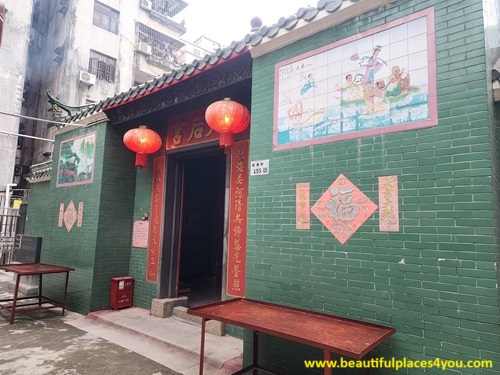
Houhai Mazu Temple
The temple was founded in Ming Dynasty (1368-1644) in Houhai Village. The current temple was built in 1995. Nearby Nanyou Subway station Line 9 or Dengliang Subway station Line 2.
City: Shenzhen City Nanshan District
Prefecture: Shenzhen
Province: Guangdong Province
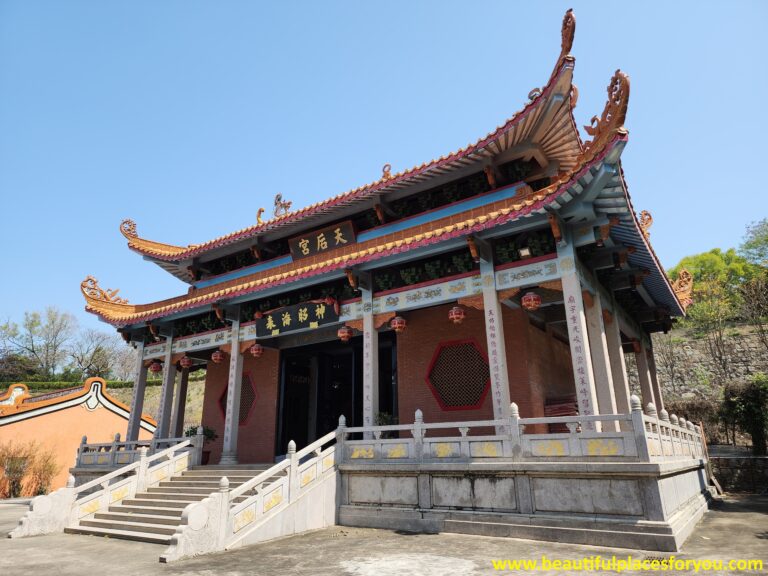
Laiwu Tianhou Temple
This Tianhou Temple was first built during the Ming Dynasty for the fishermen to seek blessing from Mazu.
City: Shantou City
Prefecture: Chaozhou
Province: Guangdong Province
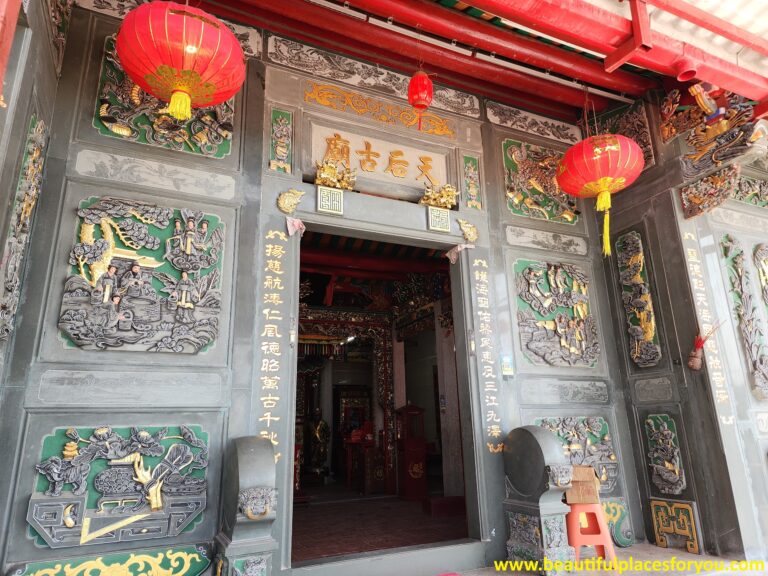
Ao'qian Tianhou Ancient Temple
The temple was founded during the Ming Dynasty and rebuilt in 1794 .
City: Shantou City Nan'ao Island
Prefecture: Shantou
Province: Guangdong Province
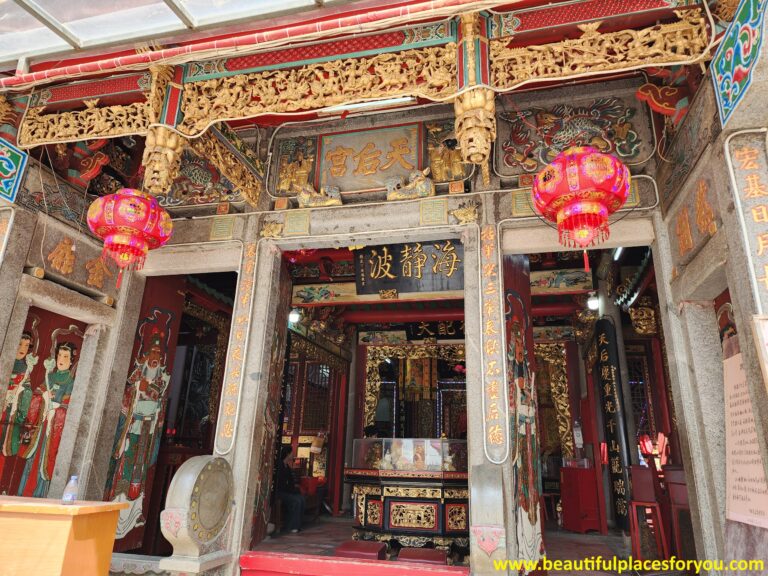
Zhongzhu Tianhou Temple
中柱天后宫
Zhongzhu Village Mazu temple was founded during the Qinglong era of the Qing Dynasty (1654-1722) .
City: Shantou City Nan'ao Island
Prefecture: Shantou
Province: Guangdong Province
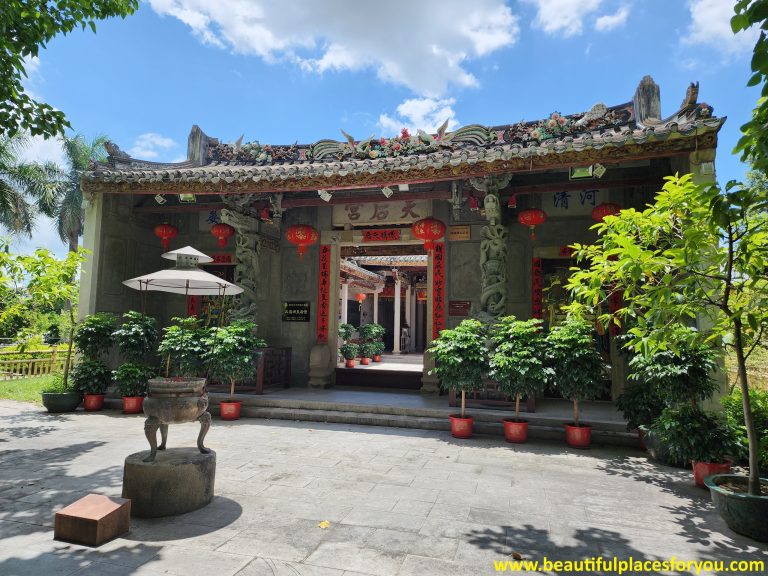
Phoenix Island Tianhou Temple
The temple was founded in 1799 and rebuilt in 1999.
City: Chaozhou City
Prefecture: Chaozhou
Province: Guangdong Province
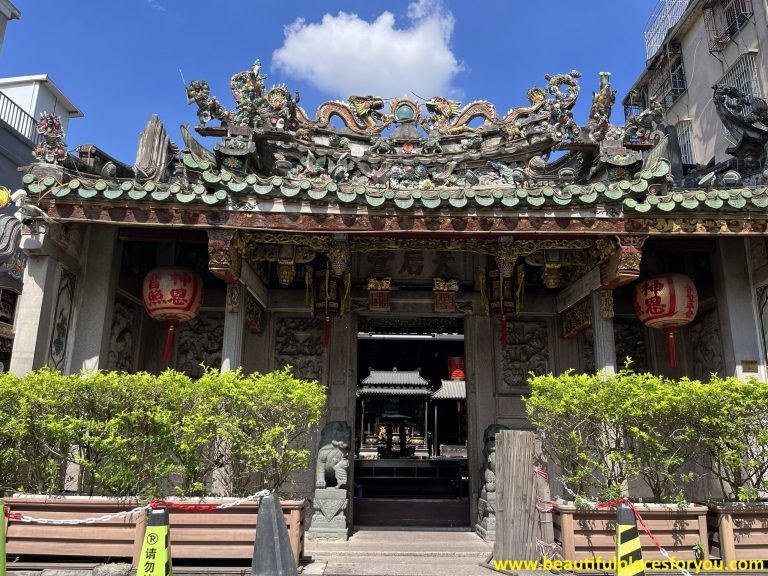
Shantou Tianhou Temple
The temple was built during the Qing Dynasty Jiaqing Period (1796-1820) for the fishermen to seek blessings. It was reconstructed in 1991.
City: Shantou City
Prefecture: Chaozhou
Province: Guangdong Province
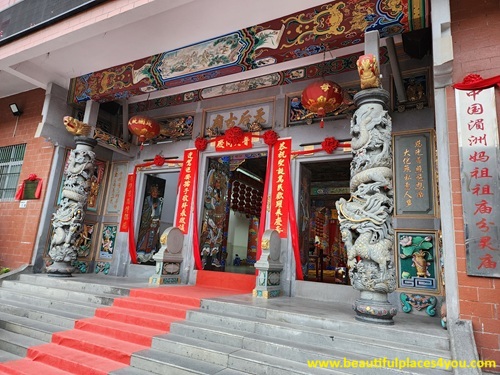
Longgang Mazu Ancient Temple
The temple was built during the Qing dynasty in 1825 by a Fujian merchant. Nearby Subway station.
City: Shenzhen City Longgang District
Prefecture: Shenzhen
Province: Guangdong Province
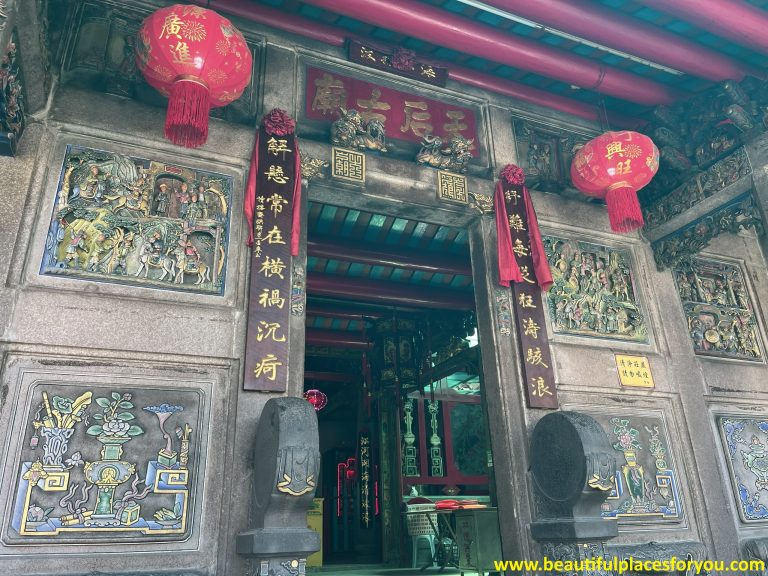
Mayu Island New Tianhou Ancient Temple
This Tianhou Temple was first built during the Qing Dynasty in 1861.
City: Shantou City
Prefecture: Chaozhou
Province: Guangdong Province
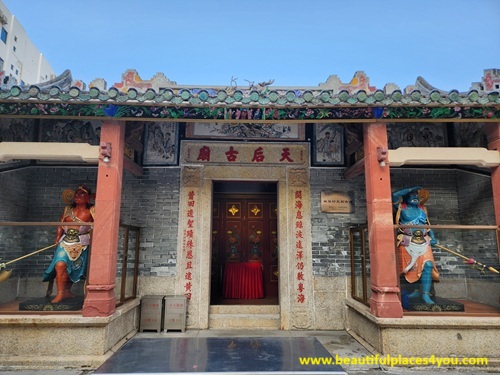
Huangtian Tianhou Ancient Temple
The Huangtian village Tianhou Ancient Temple was founded during the Qing dynasty in 1909 and reconstructed in 2016. Nearby Huangtian Subway station Line 12.
City: Shenzhen City Nanshan District
Prefecture: Shenzhen
Province: Guangdong Province
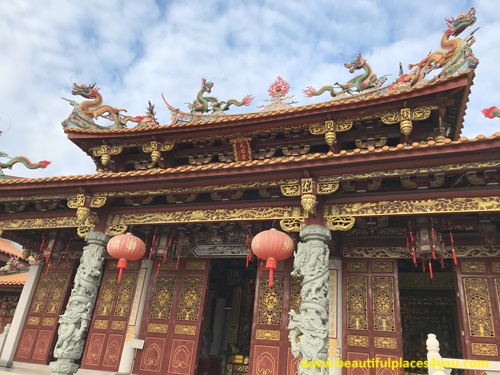
White Flower Cave Tianhou Temple
The temple was founded during the Ming or Qing dynasty and reconstructed in 2011. Nearby Subway station: Zhucun, Line 4, transport from metro station required
City: Shenzhen City Guangming District
Prefecture: Shenzhen
Province: Guangdong Province
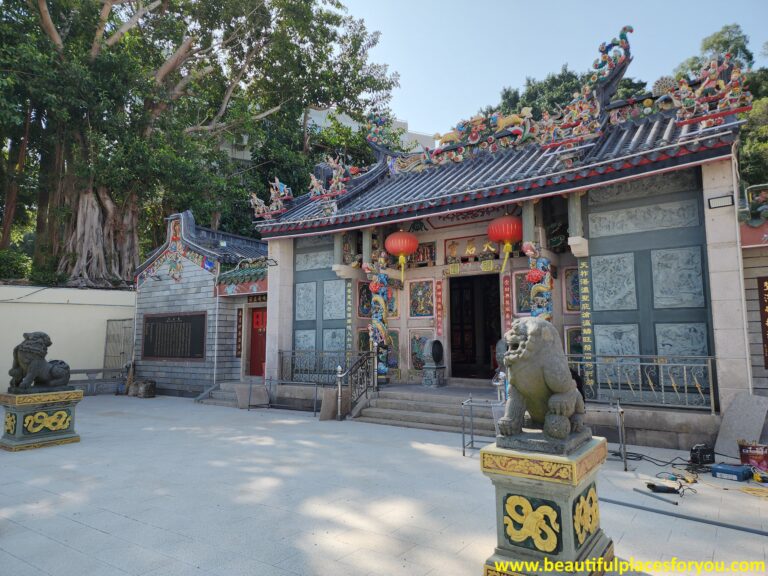
Jinshan Tianhou Temple
This is the Houzhai Town Chengxi Village Mazu Temple. It was first built in the late Ming or early Qing Dynasty (1644-1912) .
City: Shantou City Nan'ao Island
Prefecture: Shantou
Province: Guangdong Province
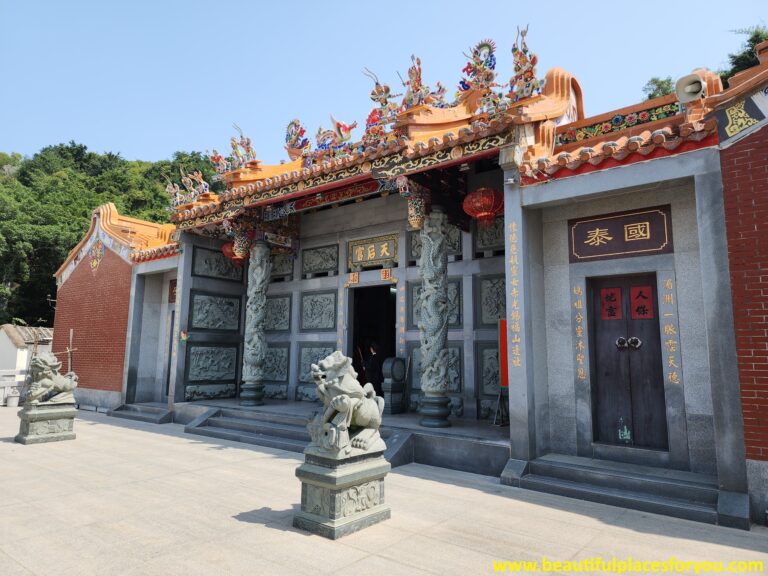
Shanbian Tianhou Temple
This is the Yun'ao Town Shanbian Village Mazu Temple. It was found in in the early Qing Dynasty (1644-1912) .
City: Shantou City Nan'ao Island
Prefecture: Shantou
Province: Guangdong Province
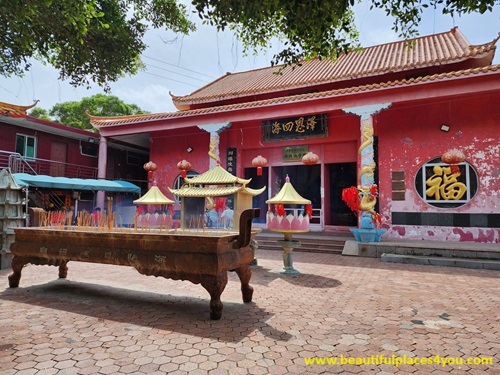
Zhapo Dajiao Tianhou Temple
The Mazu Temple is located in Zhapo town. It was first built during the Qing Dynasty (1644-1912) and reconstructed in 1999.
City: Yangjiang City
Prefecture: Yangjiang
Province: Guangdong Province
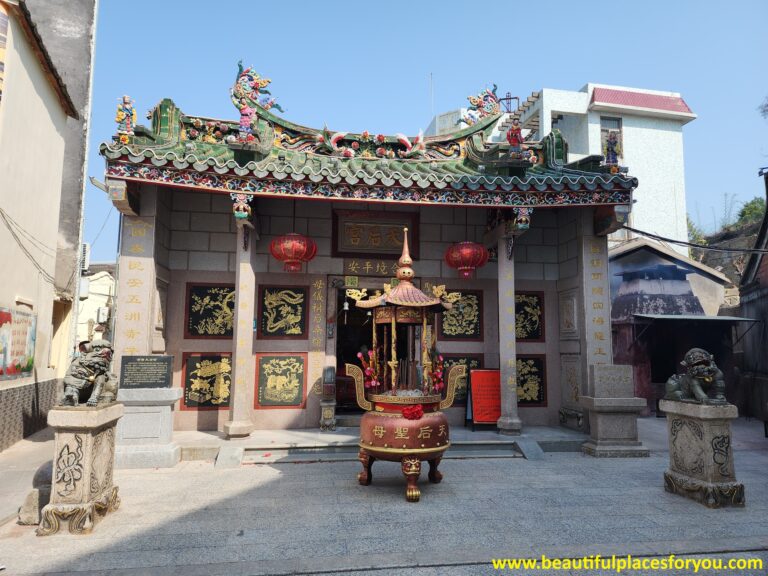
Gongqian Tianhou Temple
This is the Gongqian Village Mazu Temple.
It was first built in the Wan Li era (1573–1620) of the Ming Dynasty.
City: Shantou City Nan'ao Island
Prefecture: Shantou
Province: Guangdong Province
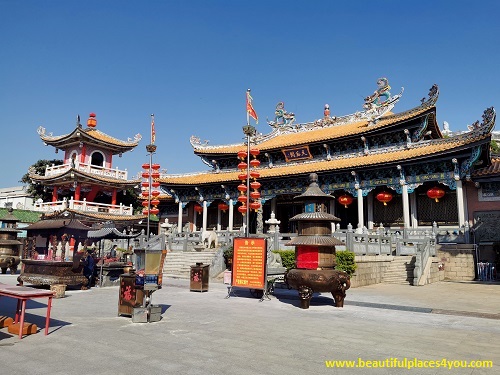
Fengshan Tianhou Pavilion
This temple was constructed in 1993. It is within the Fengshan Mazu Temple Tourist area.
City: Shanwei City
Prefecture: Shanwei
Province: Guangdong Province
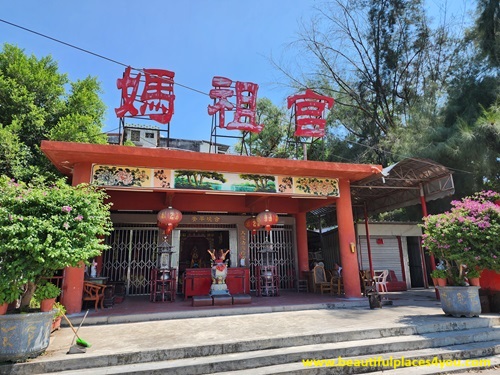
East Gate Mazu Temple
City: Jieyang City
Prefecture: Jieyang
Province: Guangdong Province
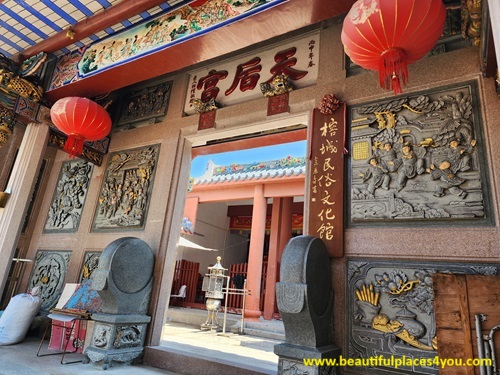
South Gate Mazu Temple
This Mazu Temple was built in 1737 upon the petition of merchants engaged in overseas trade to Magistrate Zhang Xun, with the purpose of praying for safety in maritime transportation.
City: Jieyang City
Prefecture: Jieyang
Province: Guangdong Province
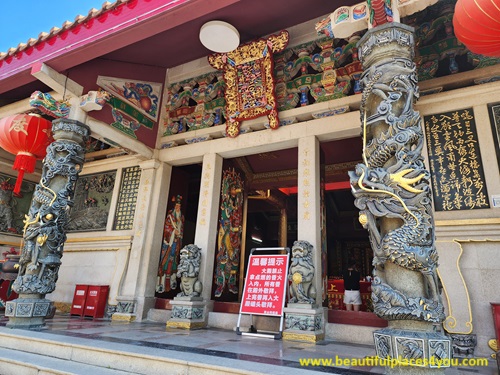
Nanshan Tianhou Temple
Nearby Liwan Subway station line 5.
City: Shenzhen City Nanshan District
Prefecture: Shenzhen
Province: Guangdong Province
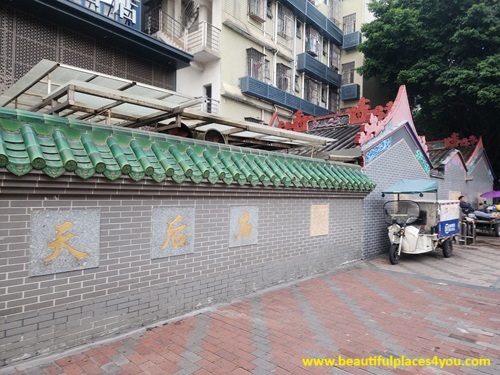
Daxin Village Tianhou Ancient Temple
Daxin village has a history of 800 years and some villagers are oyster farmers. The founding year for the temple is not known. The current temple was rebuilt in 2003. Nearby Daxin subway station Line 2.
City: Shenzhen City Nanshan District
Prefecture: Shenzhen
Province: Guangdong Province
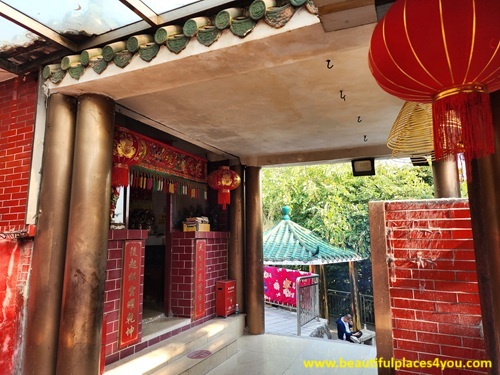
Tiezaishan Park Mazu Temple
Nearby Xixiang Subway station Line 1
City: Shenzhen City Baoan District
Prefecture: Shenzhen
Province: Guangdong Province
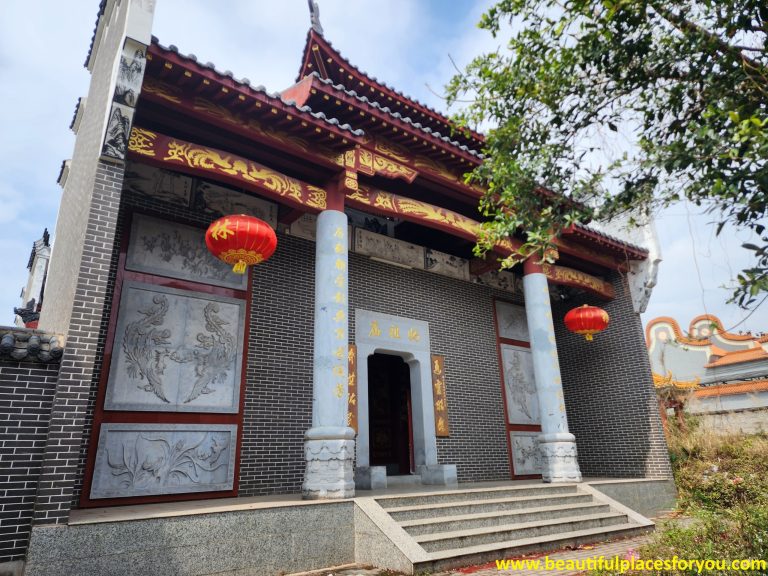
Zhuji Ancient Lane Mazu Temple
City: Nanxiong
Prefecture: Shaoguan
Province: Guangdong Province
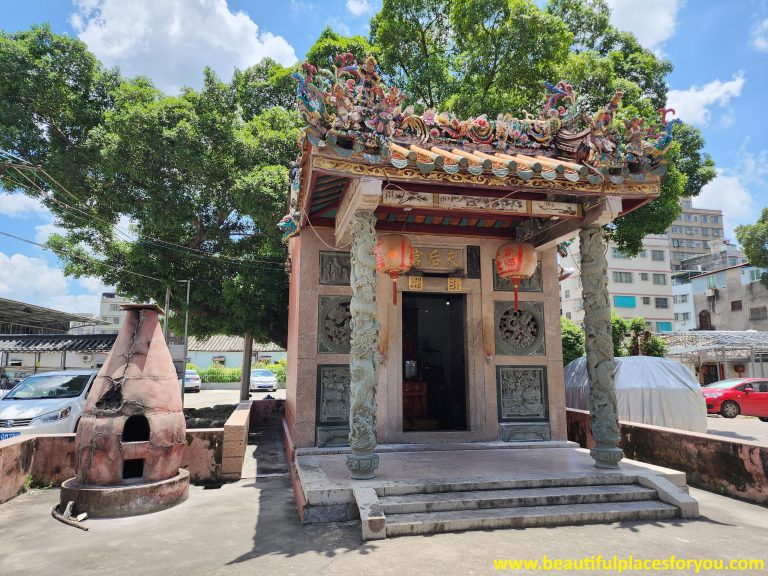
Tianhou Temple
City: Chaozhou City
Prefecture: Chaozhou
Province: Guangdong Province
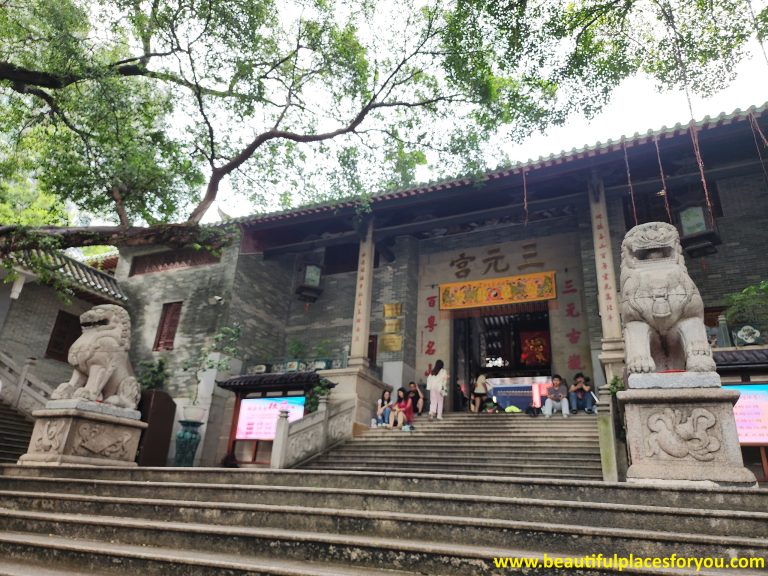
Sanyuan Temple
. Nearby Subway station.
City: Guangzhou City
Prefecture: Guangzhou
Province: Guangdong Province
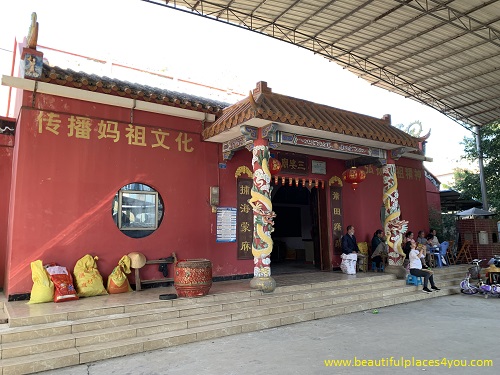
Dianjian Tiangong Temple
Dianjian Tiangong Temple was built in 1762. The current temple was built in 2012.
City: Beihai City
Province: Guangxi
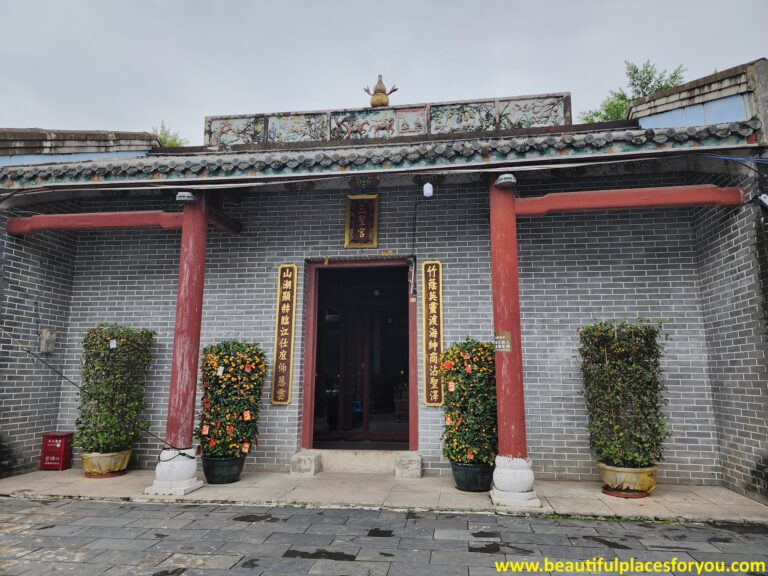
San Sheng Palace
三圣宫
San Sheng Palace was first built in 1876. The temple name is based on one of Mazu's title of San Sheng conferred by the Emperor.
The temple was built by the costal Dan people. The fishermen pray for Mazu's blessing and for smooth sailing before going out to sea.
City: Dongxing City Fangchenggang Prefecture
Province: Guangxi
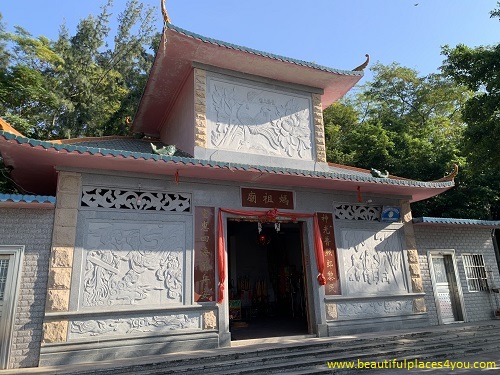
Dijiao Mazu Temple
City: Beihai City
Province: Guangxi
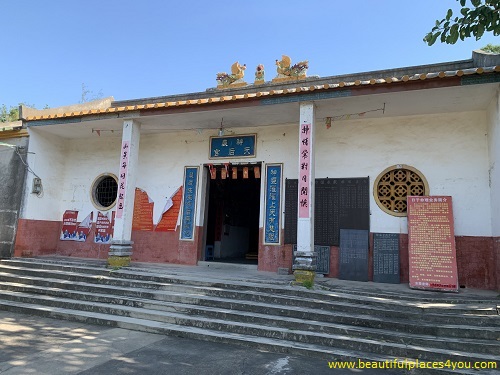
Shengnong Tiangong Temple
The exact founding date of the Shennong Tianhou Temple is unknown; it was rebuilt during the late Qing dynasty, subsequently underwent several renovations, and was reconstructed again in 1992.
City: Beihai City
Province: Guangxi
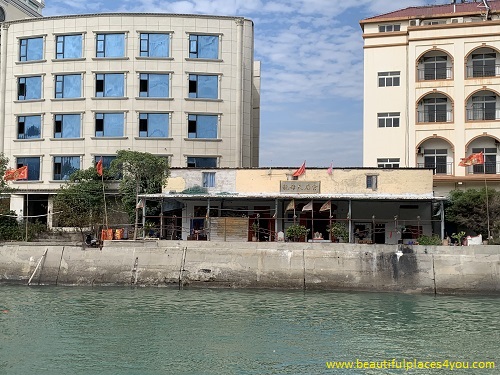
Waisha Longmu Tianhou Temple
City: Beihai City
Province: Guangxi
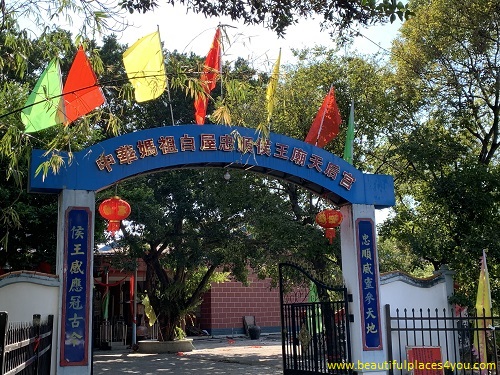
China Mazu White House Temple of Zhongshun and Tianhou Temple
City: Beihai City Haicheng District
Province: Guangxi
Baishamen Tianhou Temple
This is the first Mazu Temple in Hainan Province. It was built by merchants from Fujian Province about 800 years ago.
City: Haikou City Meilan District
Province: Hainan Province
Haikou Tianhou Temple
This Mazu Temple was founded during the Yuan Dynasty about 700 years ago. It is the largest Mazu Temple in Hainan Province.
City: Haikou City Meilan District
Province: Hainan Province
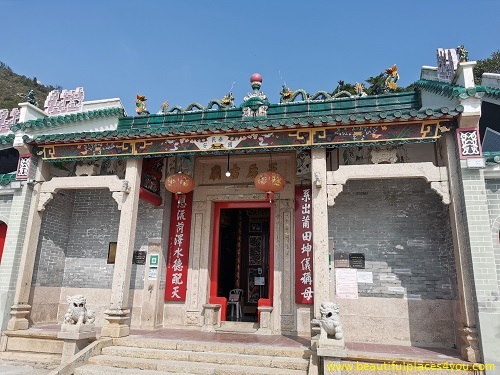
Joss House Bay Tin Hau Temple
佛堂门天后古庙
This Tin Hou Temple was built in 1266. It is the most scared, oldest and largest Tin Hou Temple in Hong Kong.
The temple is a Grade I Historic Building.
District: Sai Kung District.
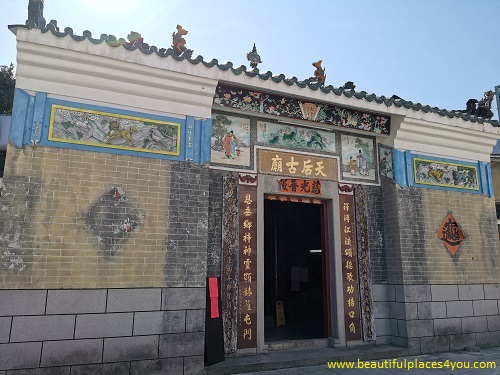
Hau Kok Tin Hau Temple
后角天后廟 or 口角天后古廟
This Tin Hou Temple was built in 1637 by fishermen using Tuen Mun as the hub for waterway transport. The temple used to face the sea till the land reclamation. During the Ming Dynasty, the To Clan running the salt business contributed to the Temple's expansion. The villagers living in the nearby walled villages also contributed to the renovations for the temple.
District: Tuen Mun District.
Nearest MTR: Tuen Mun MTR Station. Walking distance from MTR.
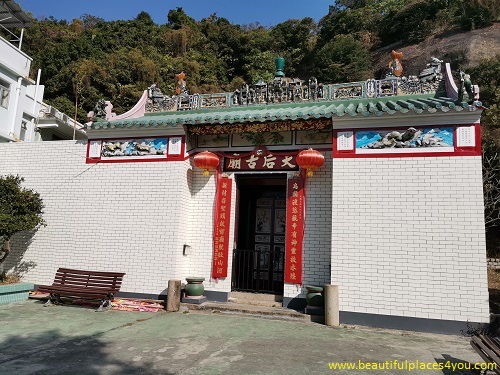
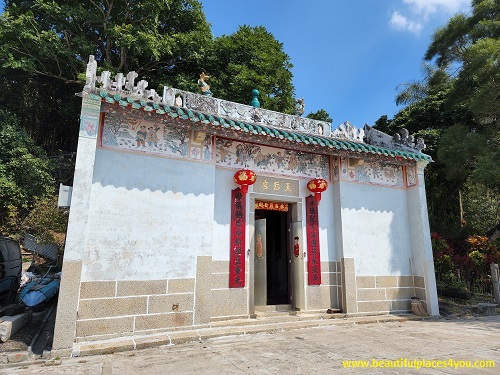
Tai O Tin Hau Temple
This Tin Hau Temple in San Tsuen Tai O was first built in 1644.
District: Island District
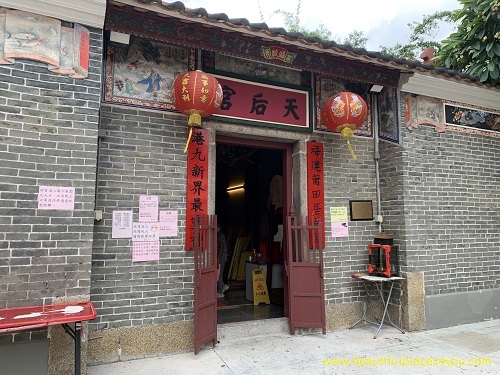
Pui O Tin Hau Temple
This Tin Hau Temple was first built during the Ming Dynasty (1368-1644). It was rebuilt in 1798, 1947, 1974 and 1995. The temple is surrounded by 2 Fengshui trees.
District: Island District
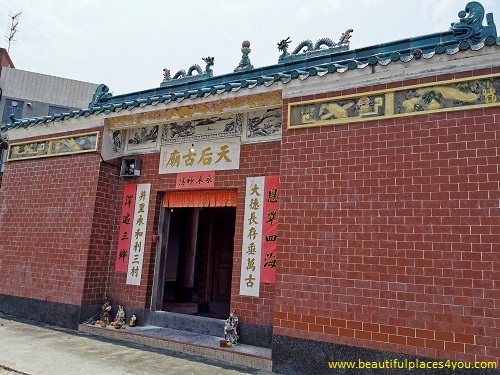
Fung Chi Tsuen Tin Hau Temple
The Temple was built around 1684 based on the date on the bronze bell in the temple and is a Grade I Historic Building. The Temple is located in Wang Chau area.
District: Yuen Long District
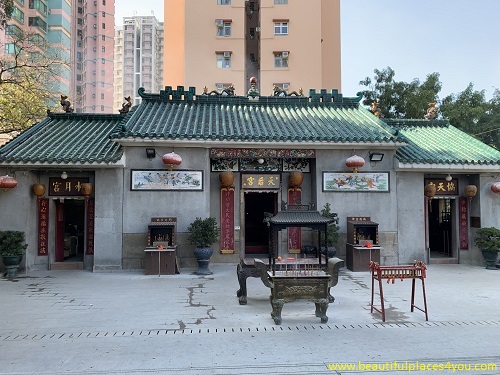
Tai Tseng Wai Tin Hau Ancient Temple
This Tin Hau Temple was built in 1688. It is located in Wang Chau area
District: Yuen Long District
Tai Po Kau Hui Tin Hau Temple
大埔舊墟天后宮
This Tin Hau Temple was first built before 1691. It is a Grade III Historic Building.
District: Tai Po District
Nearest MTR: Tai Wo MTR, Public transport from MTR required.
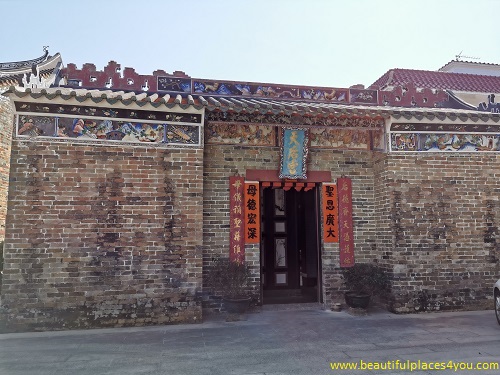
Lung Yeuk Tau Tin Hau Temple
This Mazu temple is along the Lung Yeuk Tau Heritage Trail
The founding date of the temple is unknown but it has two bronze bells casted in 1695 and 1700. The temple was restored in 1913 and 1981. A declared Monument of Hong Kong.
District: North District
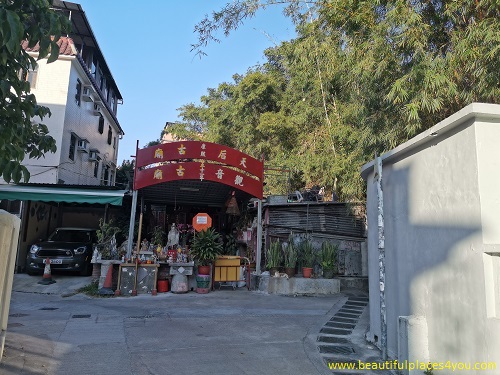
Tung Tau Tsuen Tin Hau Temple
The Temple was founded in 1692 based on the date of the bell. It is a Grade III Historic Building.
District: Yuen Long District
Nearest MTR: Yuan Long MTR Station. Walking distance from MTR.
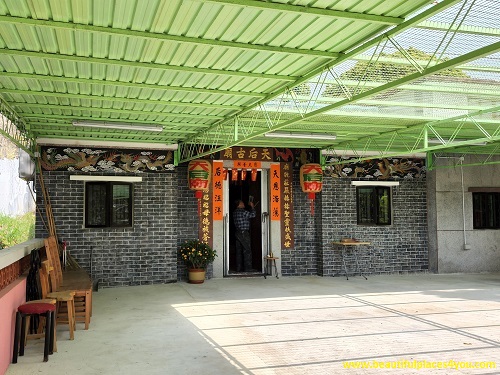
Hung Kiu Tin Hau Ancient Temple
This Tin Hau Temple of Hung Kiu San Village was first built in 1721 and rebuilt in 1962.
District: North District
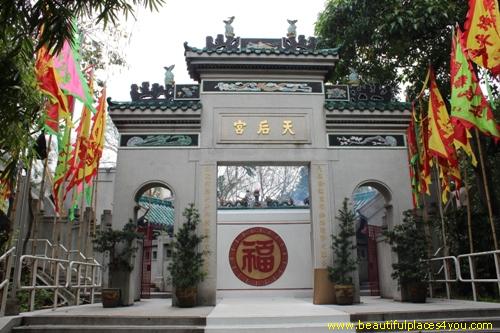
Tsuen Wan Tin Hau Temple
荃灣天后宮
Tsuen Wan Town's Tin Hau Temple near the Sam Tung Uk Museum. This Tin Hau Temple was first built in 1722. It was relocated to this site in 1983. This of the a few Tin Hau Temples in Hong Kong with an archway. It is a Grade II Historic Building.
District: Tsuen Wan District

Tai Hang Village Tin Hau Temple
This Tin Hau Temple was built between 1662 - 1722 and is a Grade III Historic Building.
District: Tai Po District
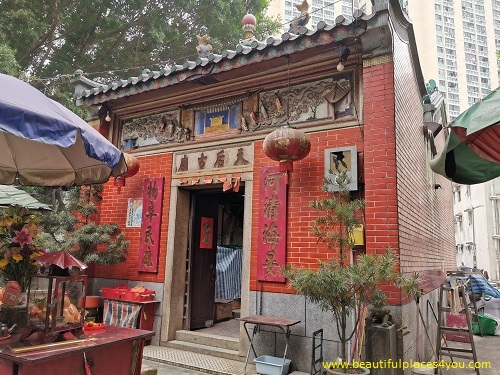
Tsing Yi Tin Hau Temple
This Tin Hau Temple was first built in 1741 and relocated to current site in 1983. It is famous around the district as the local residents believed the temple had protected from them from the bombing during WWII.
District: Kwai Tsing District
Nearest MTR: Tsing Yi MTR Station. Requires public transport from MTR to the Temple.
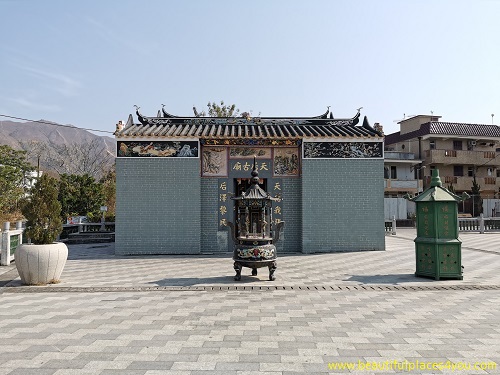
Kam Tin Shui Mei Tsuen Tin Hau Ancient Temple
The Temple was built in the 1745 and is a Grade III Historic Building.
District: Yuen Long District. Requires public transport from Kam Sheung MTR Station.
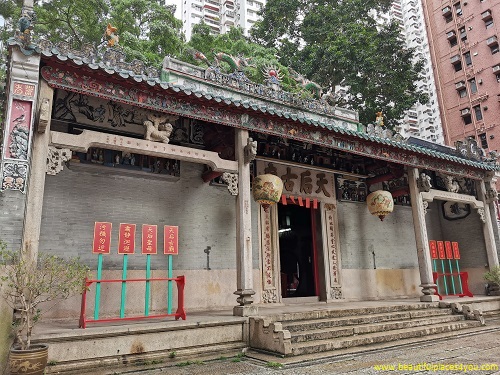
Causeway Bay Tin Hau Ancient Temple
The original temple can be traced back to 1747. The current temple dates back to 1868. It was built by a Hakka Tai family after they found an incense burner floating in the sea. The temple has a bell casted in 1747.
A Declared Monument of Hong Kong.
District: Eastern District.
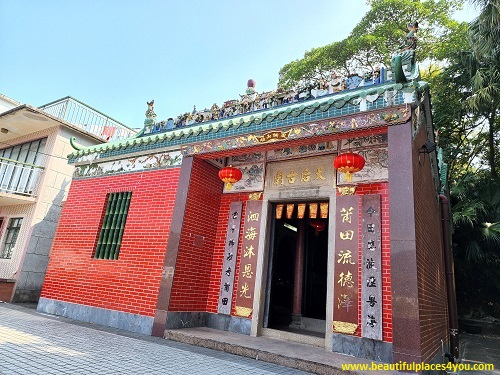
Nam Wai Tin Hau Temple
The temple was believed to be founded in 1752 and used by the village fishermen to pray for safety.
District: Sai Kung District
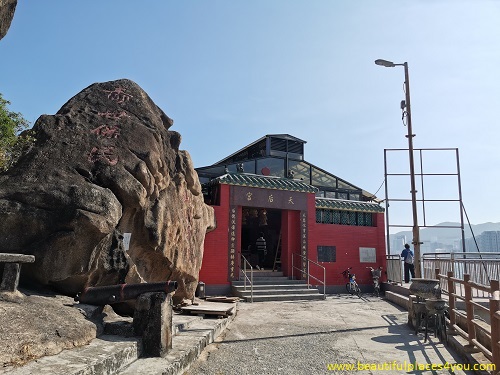
Lei Yue Mun Tin Hau Temple
The Temple was first built in 1753 and is a Grade III Historic building.
District: Kwun Tong District
Nearest MTR: Yau Tong MTR Station. Walking distance from MTR.
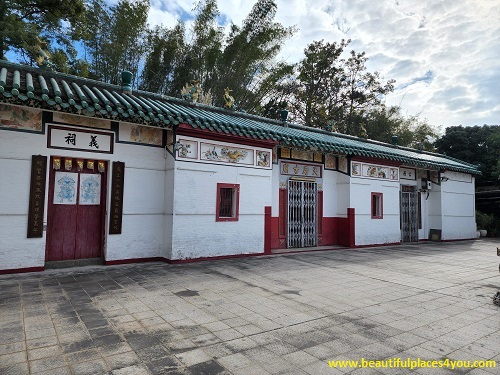
Ping Yuen Tin Hau Ancient Temple
This Tin Hau Temple was first built in 1756 and is a Grade III Historic Building.
District: North District
Nearest MTR: Fangling MTR Station. Bus from MTR.
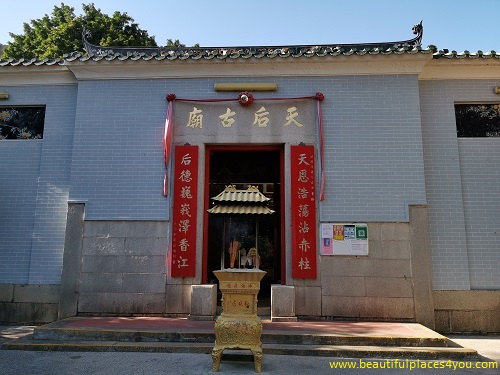
Stanley Tin Hau Temple
赤柱天后廟
The Tin Hau Temple was first built in 1767 at this site with good Fengshui. The temple has a tiger skin from one of the last tiger in Stanley in the 1940s. During WWII, two bombs hit the temple during the Japanese attack did not explore and the people sheltering in the temple were miraculously unharmed.
District: Southern District.
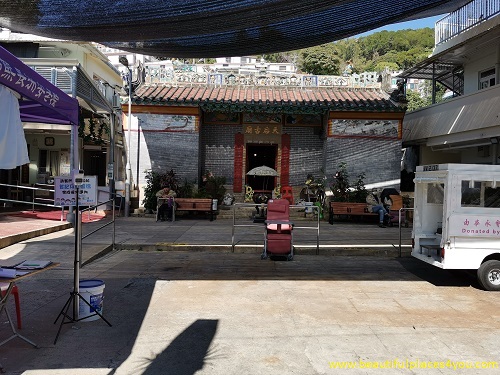
Cheung Chau Island Pak She Tin Hau Temple
One of the four Tin Hau Temples on the island. The Pak She Tin Hou Temple was built around 1767. It is a Grade II Historic building. High speed ferry services from Central Pier takes 35 minutes to reach the island.
District: Islands District
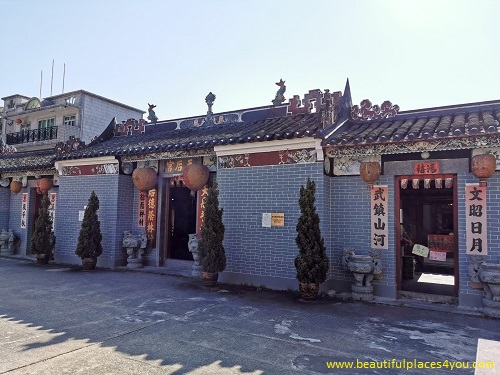
Fong Ma Po Tin Hau Temple
This Tin Hau Temple was built in 1768 or around 1771. It is a Grade II Historic Building.
District: Tai Po District
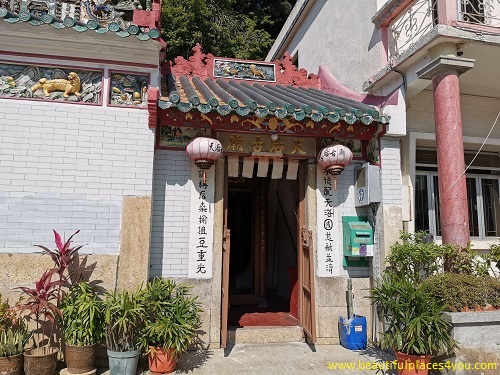
Kat Hing Back Street Tin Hau Temple
This Tin Hau Temple in Tai O was built in 1772 and is a Grade III Historic Building.
District: Island District
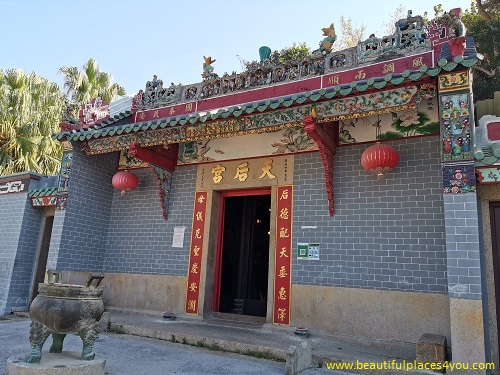
Cheung Chau Island Tai Shek Tin Hau Temple
There are four Tin Hou Temples on the island. The Tai Shek Tin Hou Temple was built in 1772 and is a Grade II Historic Building. High speed ferry services from Central Pier takes 35 minutes to reach the island.
District: Islands District
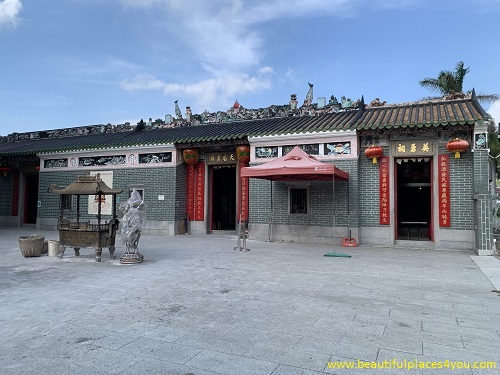
Tai Shu Ha Tin Hau Temple
The Temple was built in 1786 and is a Grade II Historic Building.
District: Yuen Long District
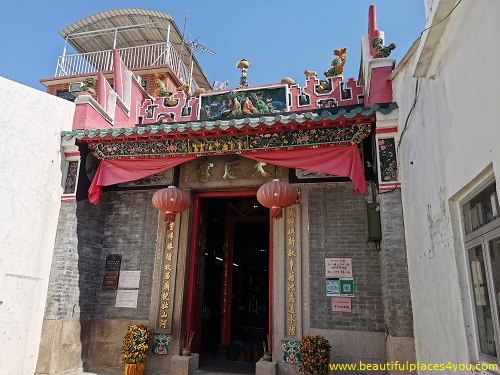
Peng Chau Tin Hau Temple
The Temple was built in 1792 and is a Grade II Historic Building.
District: Islands District
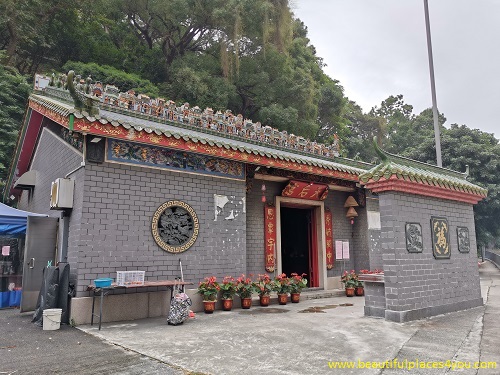
Ha Kwai Chung Tin Hau Temple
This Tin Hau Temple was founded in 1796 by villagers. The Temple was relocated to the current location in 1960.
District: Kwai Tsing District
Nearest MTR: Kwai Fong MTR Station. Walking distance from MTR.
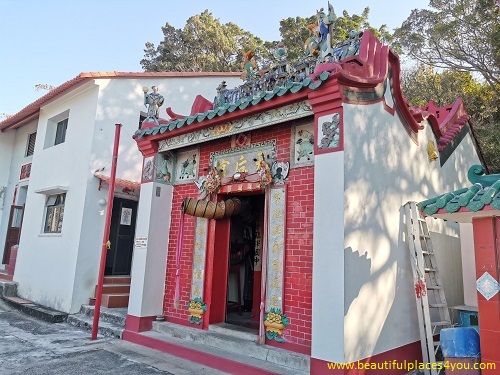
Cheung Chau Island Sai Wan Tin Hau Temple
The temple is 200 years old and has a bronze bell dated to the Qing Dynasty Qianlong era (1736-1796). It is a Grade III Historic Building.
District: Islands District
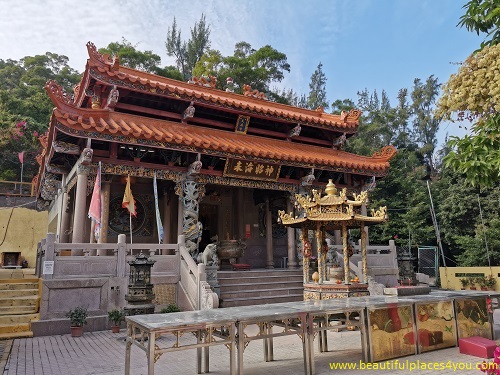
Lok Fu Tin Hau Temple
老虎岩(樂富)天后聖母古廟
The temple was first built in 1801 during the Qing Dynasty Jiaqing reign (1796-1820). The temple was rebuilt in the 1950s.
District: Wong Tai Sin District
Nearest MTR: Lok Fu MTR Station. The Temple is walking distance from MTR.
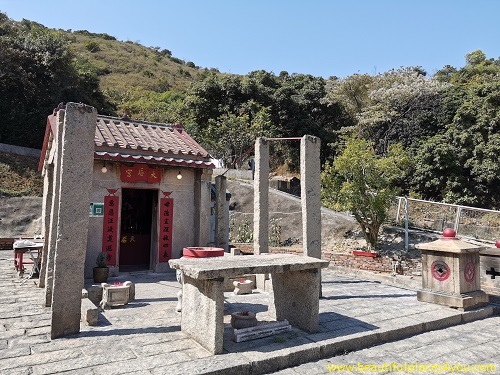
Chek Lap Kok New Village Tin Hau Temple
東涌赤鱲角天后宮
This Tin Hau Temple in Lantau Island was built in 1823 and is a Grade II Historic Building.
District: Island District
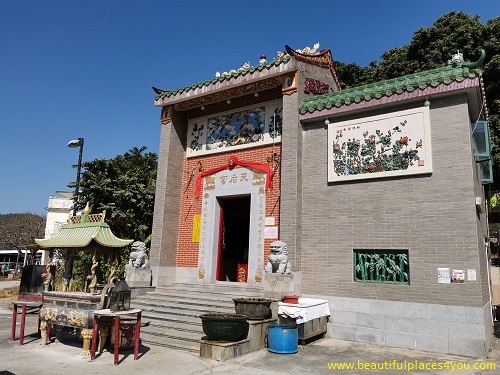
Sok Kwu Wan Tin Hau Temple
The temple is located in Sok Kwu Wan Village in Lamma Island was built in 1826. The Temple displayed a specimen of an Oarfish caught by local fisherman. Ferry services from Central Pier takes 35 minutes to reach the island.
District: Islands District
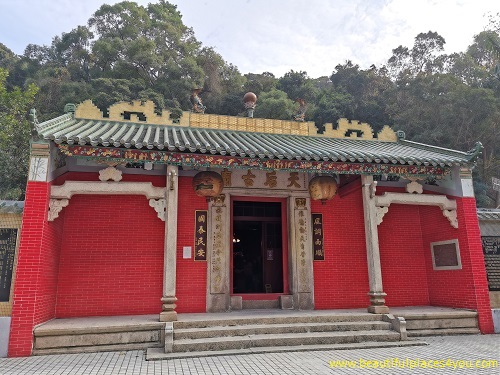
Hang Hau Tin Hau Temple
This Tin Hau Temple was built around 1840 and is a Grade III Historic Building.
District: Sai Kung District
Nearest MTR: Hang Hau MTR Station. Walking distance from MTR.
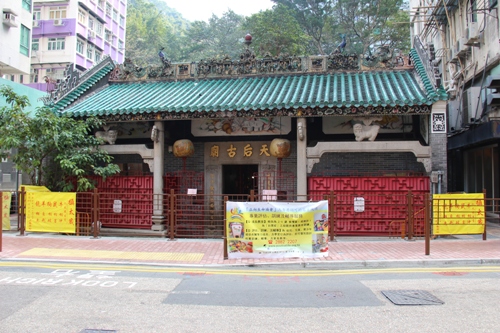
Shau Kei Wan Tin Hau Temple
筲箕湾天后古庙
The residents in the area used to be fishermen. The Tin Hau Temple was first built in 1845 and rebuilt in 1873 for fishermen to pray for their safety at sea.
District: Eastern District.
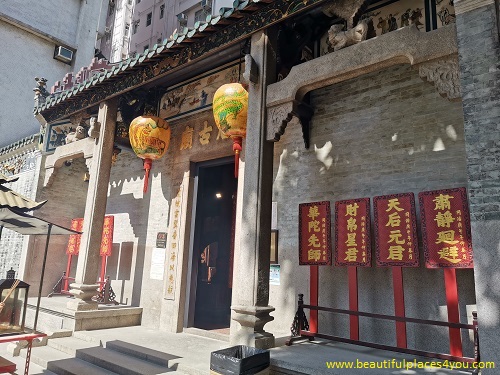
Aberdeen Tin Hau Temple
石排灣天后廟
The Tin Hau Temple was first built in 1845 and rebuilt in 1851 and is a Grade III Historic Building.
District: Southern District.
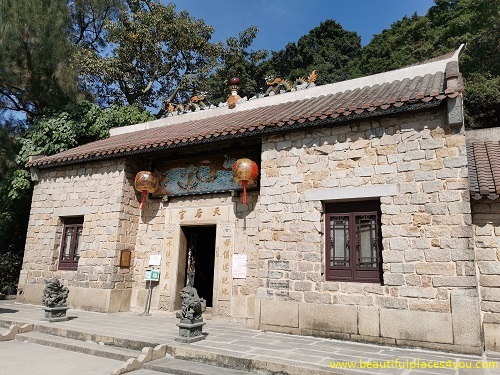
Cha Kwo Ling Tin Hau Temple
茶果嶺天后廟
The Temple was built during the reign of Daoguan (1821-1850) of the Qing Dynasty and is a Grade III historic building.
District: Kwun Tong District
Nearest MTR: Lam Tin MTR Station. Requires public transport from MTR station.
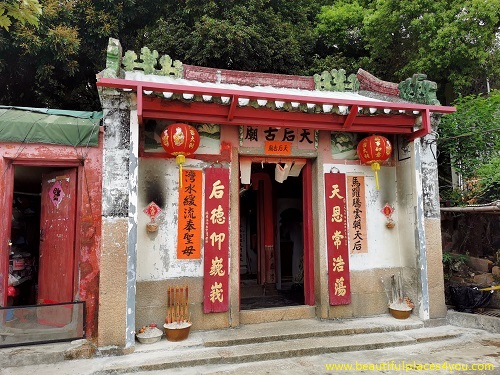
Kap Shui Mun Tin Hau Temple
This Tin Hau Temple is located along Ma Wan Main Street. It is a Grade III Historic Building and was renovated in 1860.
District: Tsuen Wan District
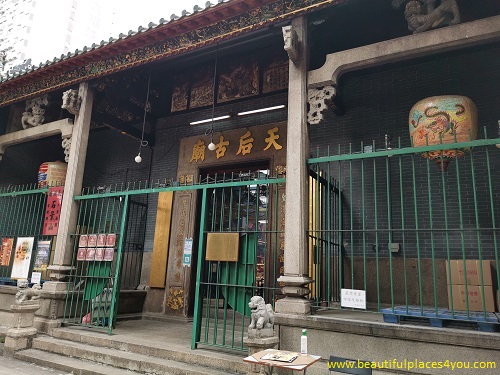
Yau Ma Tei Tin Hau Temple Complex
The Temple complex houses several temples. The Tin Hou Temple was built in 1864 and a Declared Monument of Hong Kong.
District: Yau Tsim Mong District.
Nearest MTR Station: Jordan MTR Station, 8 mins walk
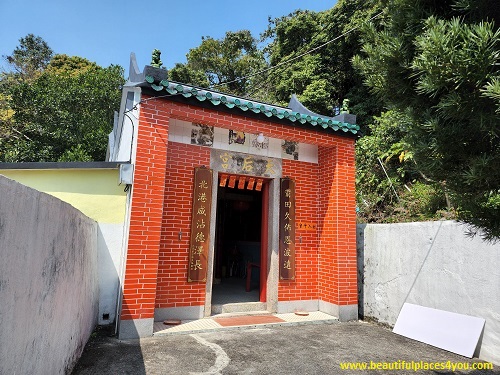
Pak Kong Tin Hau Temple
The temple was built before 1872 and located on a Fengshui marking the eastern edge of the residential area of the village.
District: Sai Kung District
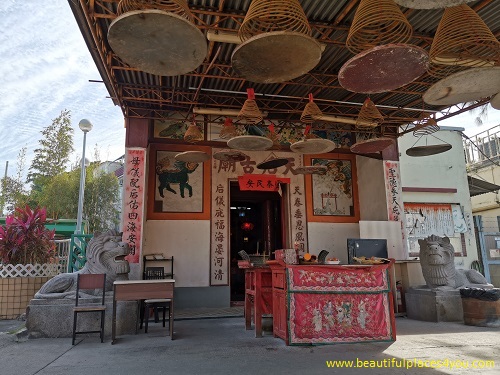
Yung Shue Wan Tin Hau Temple
The original temple can be traced back to 1876. The Temple in Lamma Island has two westerns lions at the entrance after the traditional Chinese Lions were damaged in the 1960s. It is a Grade III Historic Building.
District: Islands District.
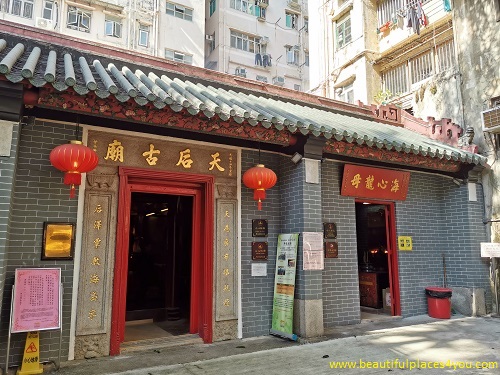
To Kwa Wan Tin Hau Temple
土瓜灣天后廟
The temple complex has two Temples. The Tin Hou Temple was built in 1885 and is a Grade III Historic Building while the Lung Mo Temple is on the right.
District: Kowloon City District. Requires public transport from MTR to the Temple.
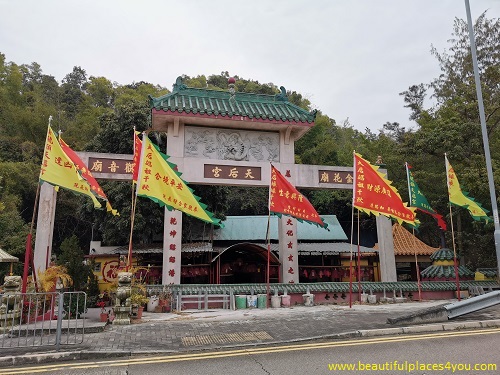
Tsing Lung Tau Tin Hau Temple
青龍頭天后宮
The Tin Hou Temple was built in 1889.
District: Tsuen Wan District.
Nearest MTR: Tsuen Wan West MTR Station. Requires public transport from MTR.
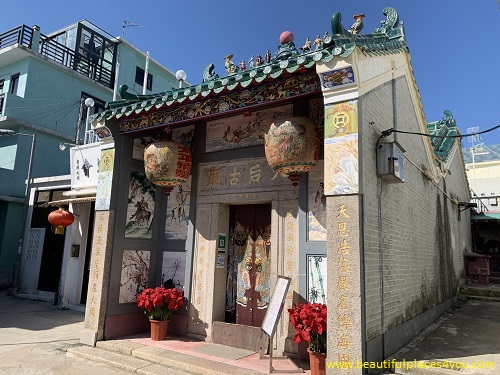
Shek O Tin Hau Temple
石澳天后廟
The Tin Hou Temple was believed to be built before 1891 based on dates on some historic items in the temple. It is a Grade III Historic Building.
District: Southern District. Requires public transport from MTR to the Temple.
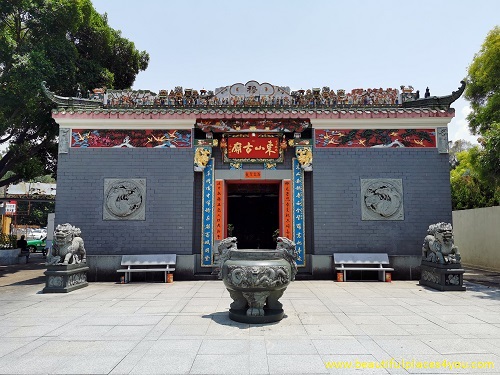
Tung Shan Old Temple
The Temple was built in 1894 and is a Grade III Historic Building.
District: Yuen Long District
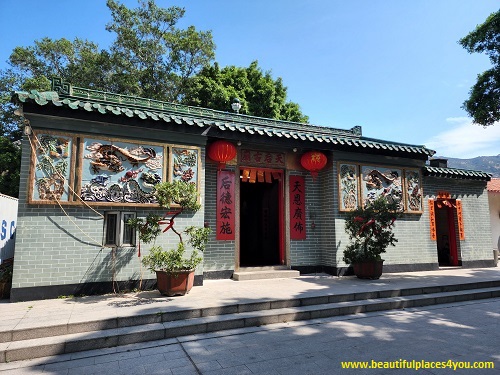
Pak Long Tin Hau Ancient Temple
The Temple at Lung Kwu Tan was built in 1898.
District: Tuen Mun District.
Nearest MTR: Tuen Mun MTR Station. Requires public transport from MTR.
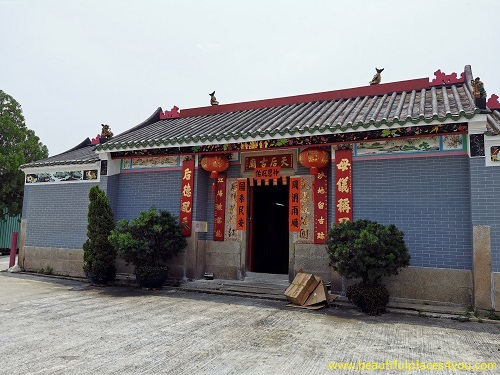
Sha Kong Tsuen Tin Hau Temple
The Temple was built in the 1800s and is a Grade III Historic Building.
District: Yuen Long District
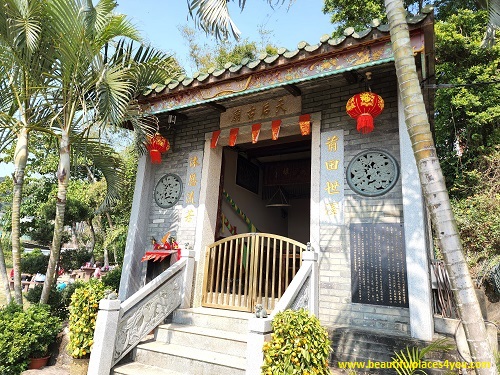
Tso Wo Hang Tin Hau Ancient Temple
早禾坑天后古廟
The Temple was built in 1905 as a family temple by the Zheng clan. It was eventually open to public. The temple was rebuilt in 2008 by descendants of the Zheng Clan.
District: Sai Kung District
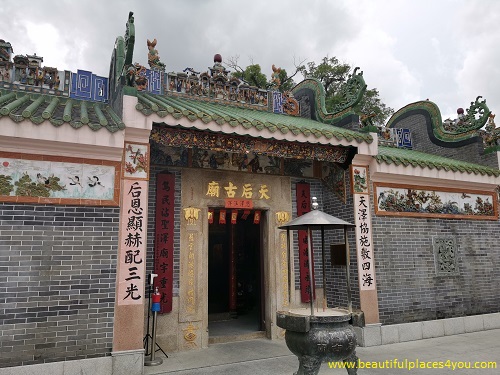
Sai Kung Tin Hau Temple
The Temple was built around 1910-1920s and is a Grade II historic building.
District: Sai Kung District
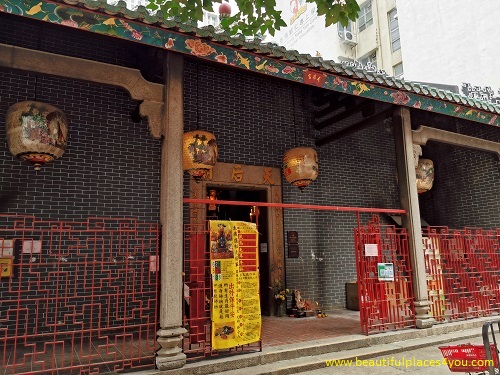
Sham Shui Po Tin Hau Temple
深水埗天后廟
The Temple was built in 1901 and is a Grade III historic building.
District: Sham Shui Po District
Nearest MTR: Sham Shui Po MTR Station.
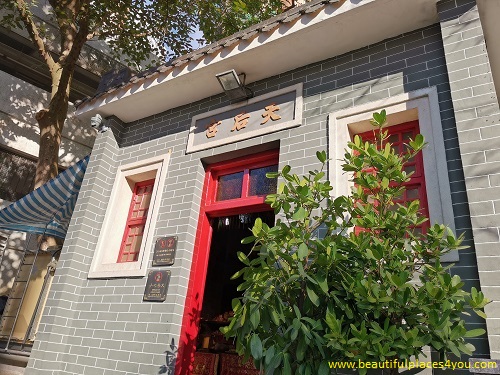
Wong Nai Chung Tin Hau Temple
黃泥涌天后宮
The temple was relocated to No 9 Blue Pool Road Happy Valley in 1901.
District: Wan Chai District
Nearest MTR: Chai Wan MTR Station. Public transport from MTR required.
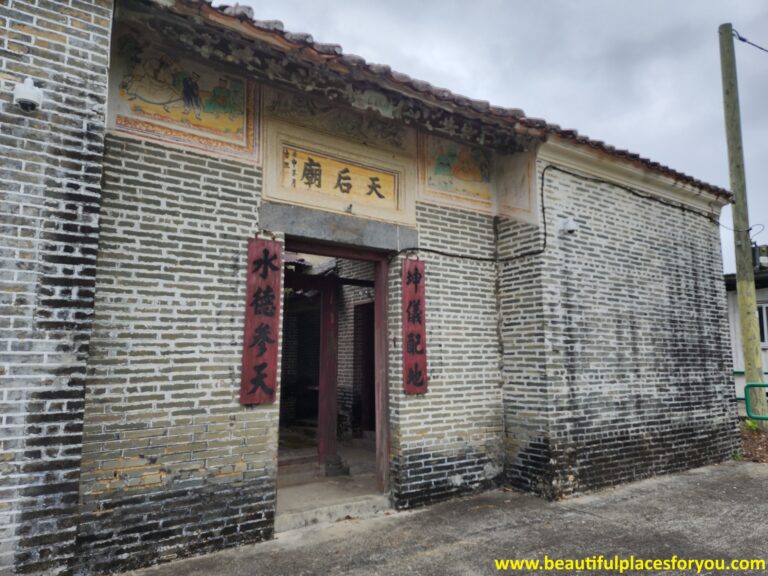
Muk Wu Tin Hau Temple
木湖村天后廟
This Tin Hau Temple was built around 1912-13 and is a Grade III Historic Building.
District: North District
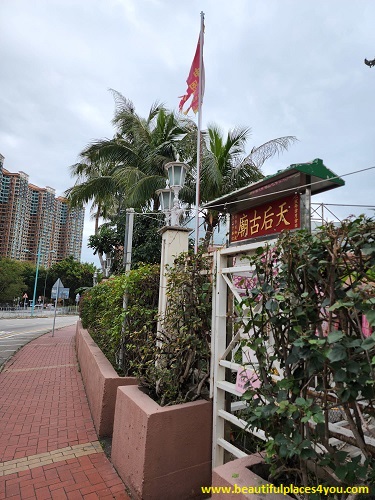
So Kwun Wat Tin Hau Temple
屯門掃管灘天后廟
The founding date of the temple in Hong Kong Gold Coast is unknown. It had existed in the early period of Qing Dynasty. It used to face the sea until 1994 when the area was developed into a residential area. During the early Qing Dynasty, the villagers were banned from the sea due to the threat from Zheng Chenggong. When the villagers were allowed to return, they found the temple undamaged and believed Goddness Mazu had protected it.
District: Tuen Mun District.
Nearest MTR: Tuen Mun MTR Station. Requires public transport from MTR.
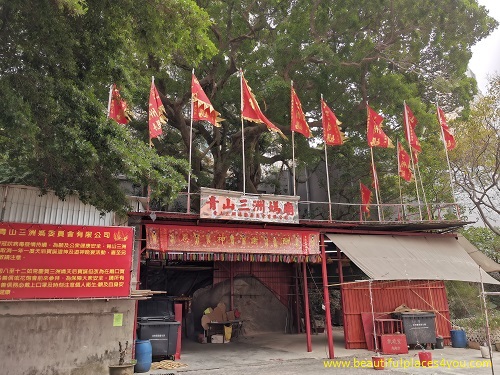
Sam Chau Ma Temple
青山三洲媽廟
The Tin Hou Temple was built during the late period of Qing Dynasty.
District: Tuen Mun District.
Nearest MTR: Tuen Mun MTR Station. Requires public transport from MTR.
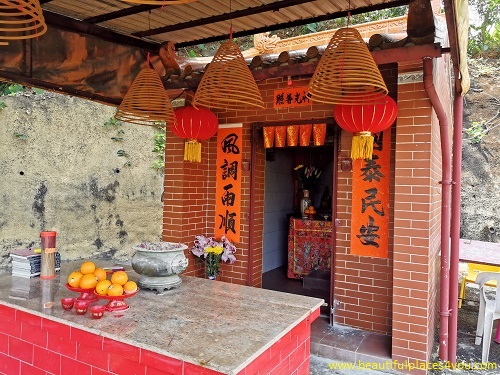
Nam Shue Wan Tin Hau Temple
The Tin Hau Temple was originally built in 1920 and rebuilt in 1972. The Mazu statue in the temple was moved to Peng Chau islands during WWII when Japan occupied Hong Kong.
District: Islands District
Nearest MTR: Tung Chung MTR, Public transport from MTR required. Walking distance from Discovery Bay
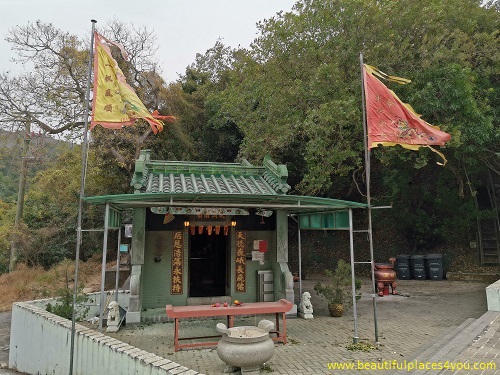
Tai Lam Chung Tin Hau Temple
屯門大欖角天后古廟
The Temple was first built in 1924 and located in the village of the same name. The current temple was rebuilt in 2006.
District: Tuen Mun District.
Nearest MTR: Tuen Mun MTR Station. Requires public transport from MTR.
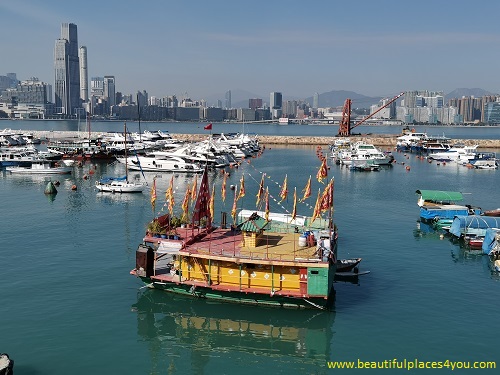
Floating Tin Hau Temple
水上三角天后廟
The temple on the Chinese Junk was founded during WWII. The original temple destroyed by the Japanese troops and fishermen contributed money to start the temple on the Chinese Junk. The floating temple has been based at Causeway Bay Typhoon Shelter since 1950 and in 2023 a new temple was built on land.
District: Wan Chai District
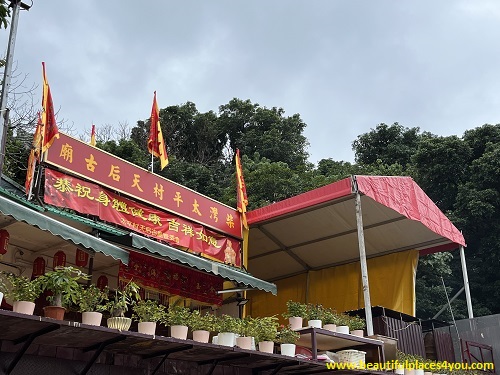
Lok Kang Po Tin Hau Ancient Temple
樂耕埔天后廟
The Tin Hau Temple is at current site since 1967.
District: Eastern District
Nearest MTR: Chai Wan MTR, Walking distance from MTR station
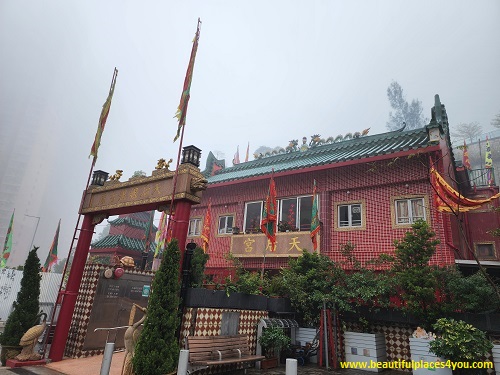
Hoi Kwok Tin Hau Shing Mo Temple
海國天后聖母廟
The temple was founded in 1967 and relocated to current site in 2008. In 1961, a Yu family of 7 sailed from Shanwei to Hong Kong. They had the Goddess Mazu on the boat for protection. After landing in Hong Kong, they built a shrine which eventually became the temple in 1967.
District: Kwun Tong District
Nearest MTR: Kwun Tong MTR Station. Public transport from MTR required.
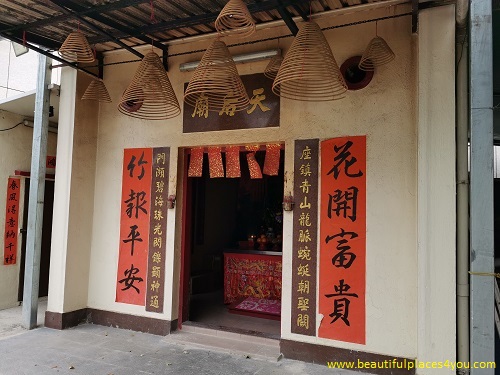
Sia Sau Tsuen Tin Hau Temple
小秀村天后廟
This village temple was built in 1976 and relocated here in 1982.
District: Tuen Mun District.
Nearest MTR: Tuen Mun MTR Station. Requires public transport from MTR.
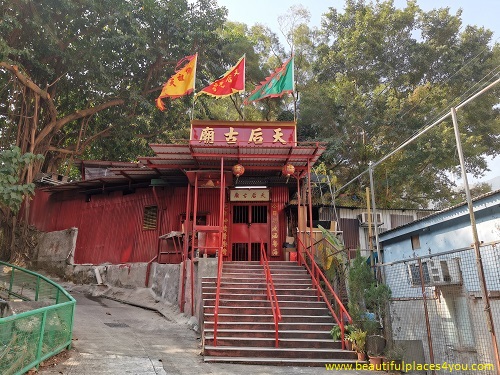
Chai Wan Tin Hau Ancient Temple
柴灣天后廟
District: Wan Chai District
Nearest MTR: Causeway Bay MTR Station. Public transport from MTR required.
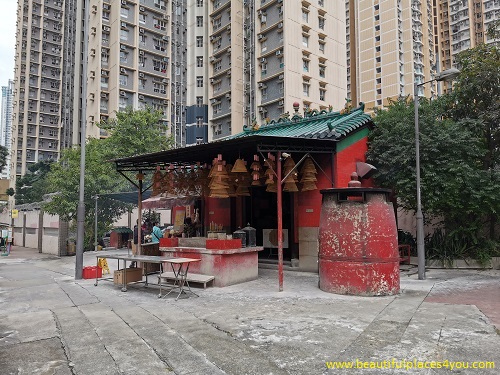
Tai Wo Hau Tin Hau Temple
大窩口天后廟
This Tin Hau Temple is opposite Kwai Chung Market along Tai Wo Hau Road.
District: Kwai Tsing District
Nearest MTR: Kwai Hing MTR Station. The Temple is walking distance from MTR.
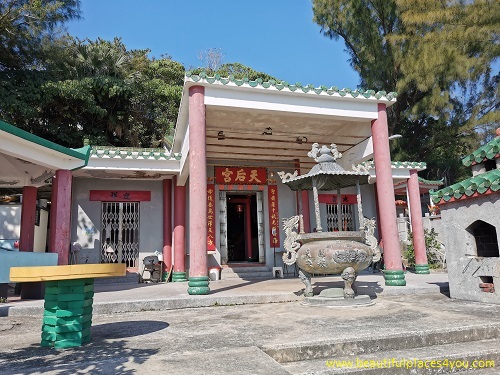
Cheung Chau Island Nam Wan Tin Hau Temple 長洲南氹灣天后廟
District: Islands District
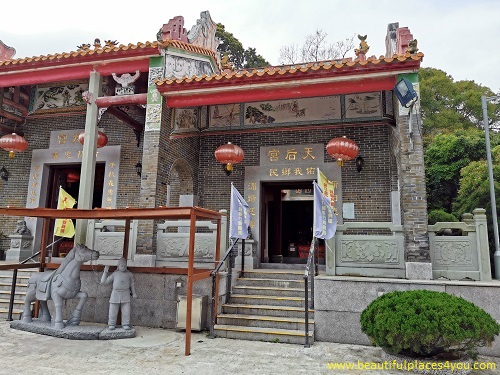
Sam Kung Temple Complex Tin Hau Temple
船灣三宮廟天后廟
The Tin Hau Temple is one of three temples in the Temple complex.
District: Tai Po District
Nearest MTR: Tai Po Market MTR, Public transport from MTR required.
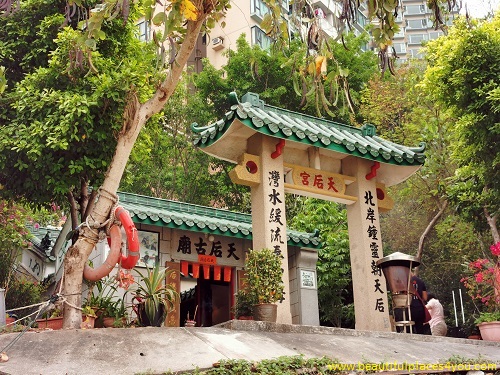
Pak Wan Tin Hau Temple
This Tin Hau Temple is at the northern beach near the pier. It was believed to be built by local pirate Cheung Po Tsai.
District: Tsuen Wan District
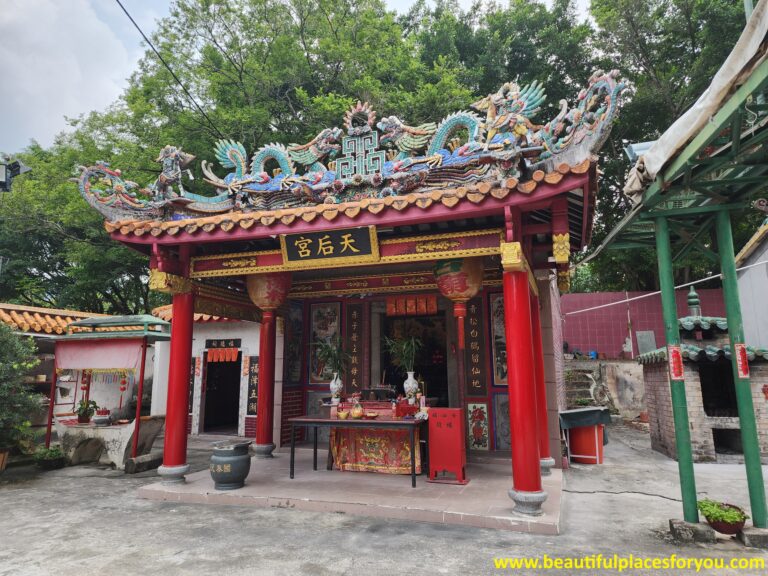
Mai Po Lung Tsuen Tin Hau Temple
米埔隴天后宮
District: Yuen Long District
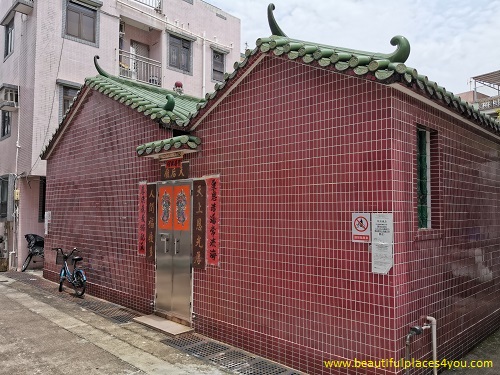
Wai Loi Tsuen Tin Hau Temple
District: North District
Nearest MTR: Sheung Shui MTR, Walking distance from MTR
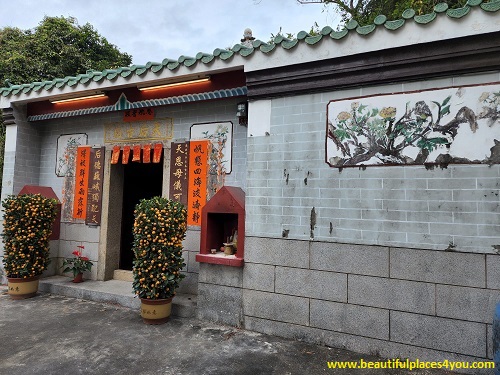
So Kwun Wat New Village Tin Hau Ancient Temple
District: Tuen Mun District.
Nearest MTR: Tuen Mun MTR Station. Requires public transport from MTR.
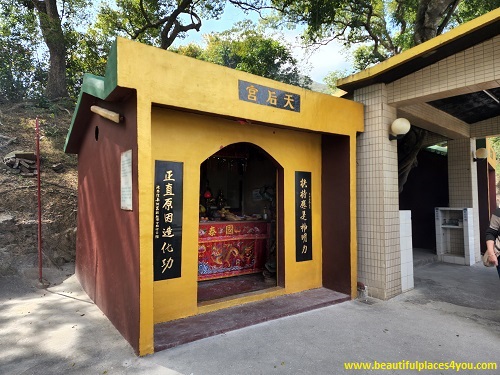
Nam Chung Tin Hau Temple
District: North District.
Nearest MTR: Fanling MTR Station. Requires public transport from MTR.
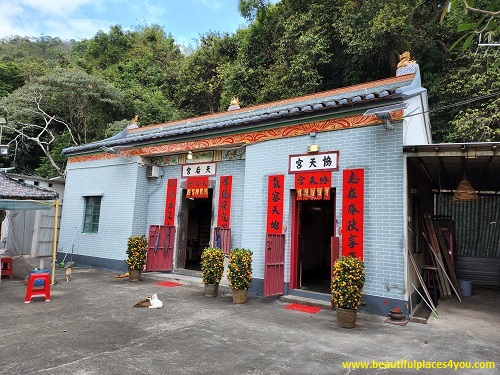
Wu Shek Kok Tin Hau Temple
The temple is believed to have a history of 200-300 years.
District: North District.
Nearest MTR: Fanling MTR Station. Requires public transport from MTR.
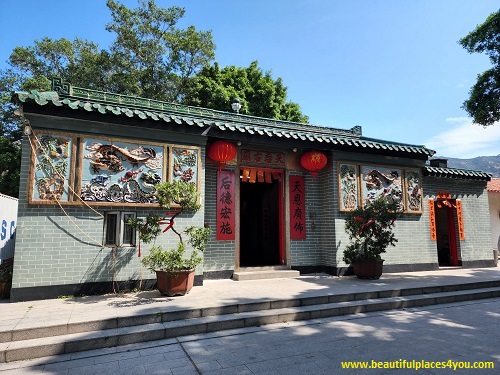
Pak Long Tin Hau Ancient Temple
District: Tuen Mun District.
Nearest MTR: Tuen Mun MTR Station. Requires public transport from MTR.
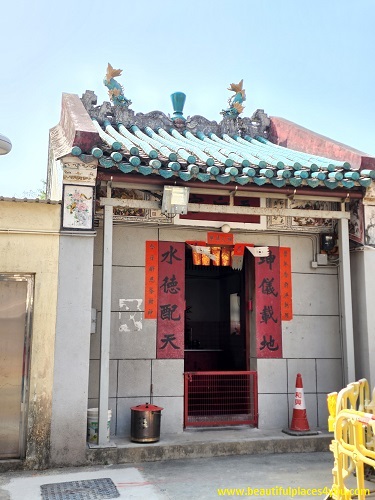
Ping Kong Tin Hau Temple
This is the village temple for Ping Kong village. The walled village existed from 1574.
District: North District.
Nearest MTR: Fanling MTR Station. Requires public transport from MTR.
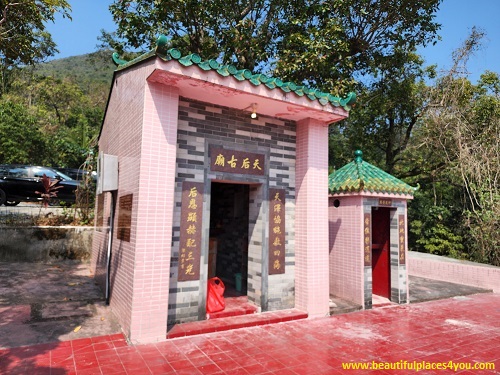
Wong Keng Tei Tin Hau Ancient Temple
黃麖地天后古廟
The Temple is also known as Tsam Chuk Wan Tin Hau Temple.
District: Sai Kung District
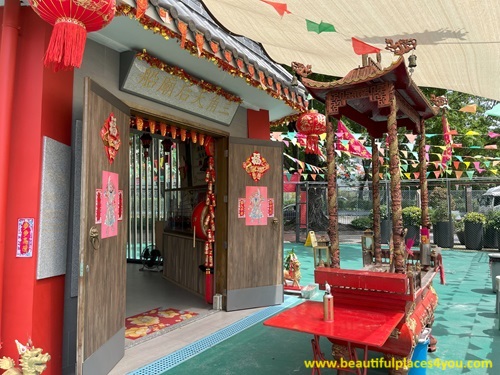
Triangular Island Goddess of Tin Hau Shrine of Peace
水上三角天后廟
The temple was built in 2023 to replace the Floating Tin Hau Temple on the Chinese Junk. The name of the temple came from the Pearl River delta region between Hong Kong and Macao that it used to sail round.
District: Wan Chai District
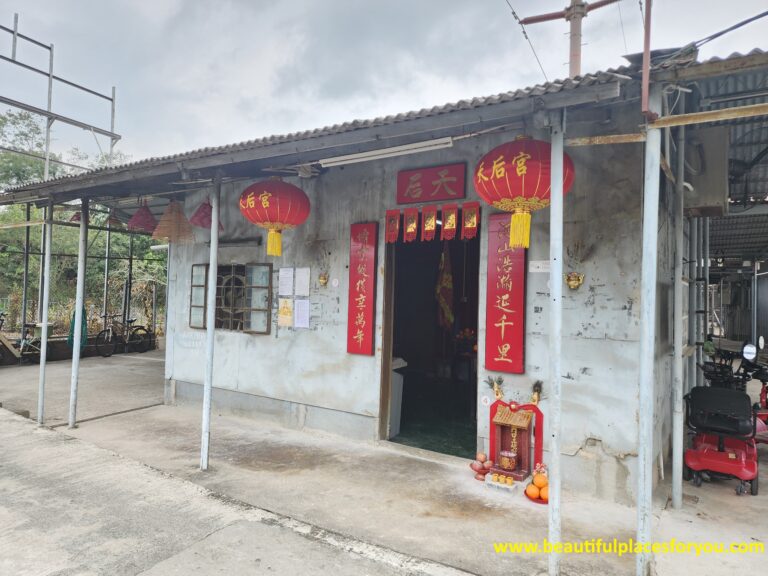
Ho Pa Tsuen Tin Hau Temple
河壩村天后廟
District: North District
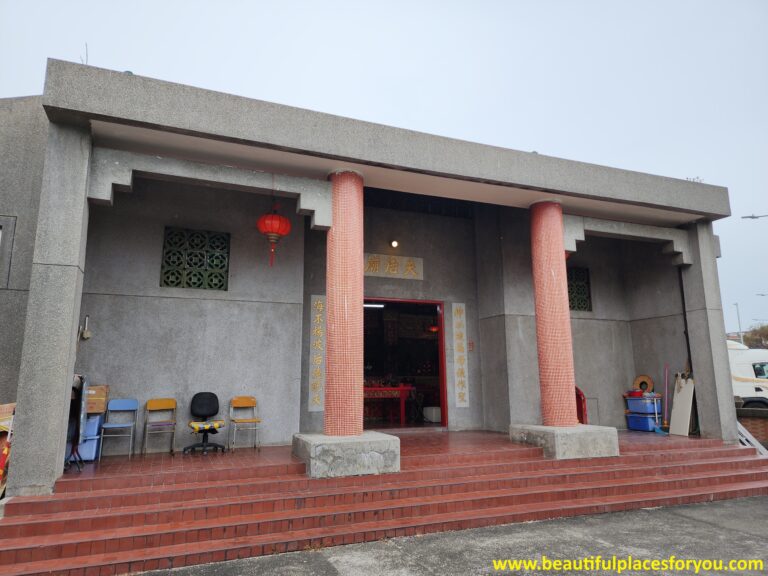
Yim Liu Ha Tin Hau Temple
鹽寮下村天后宮
District: North District
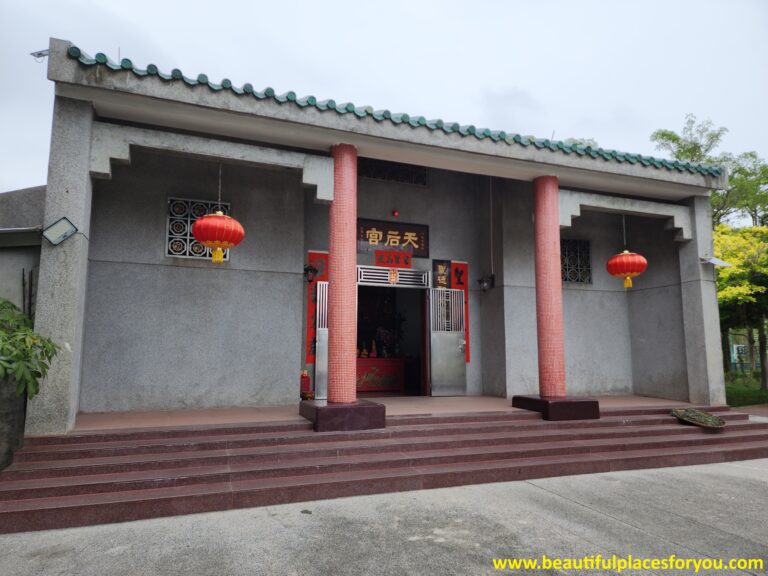
Sam Wo Tong Tin Hau Temple
District: North District
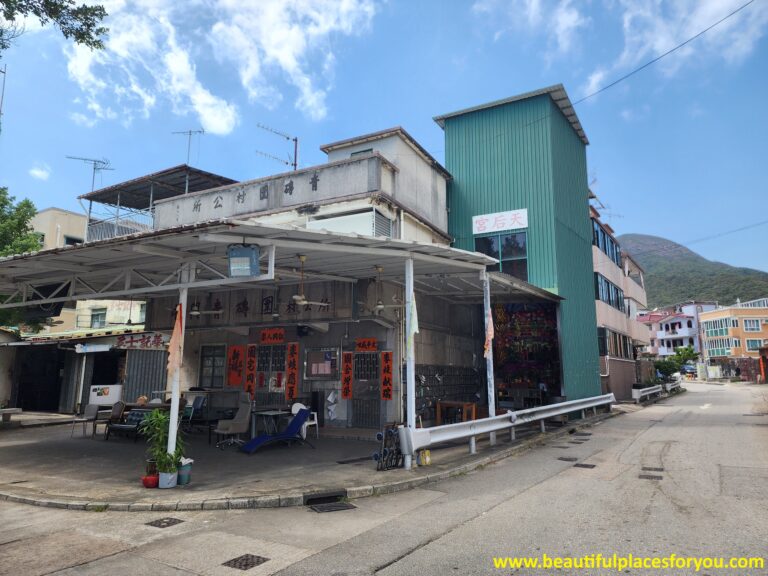
Tsing Chuen Wai Tin Hau Temple
District: Yuen Long District
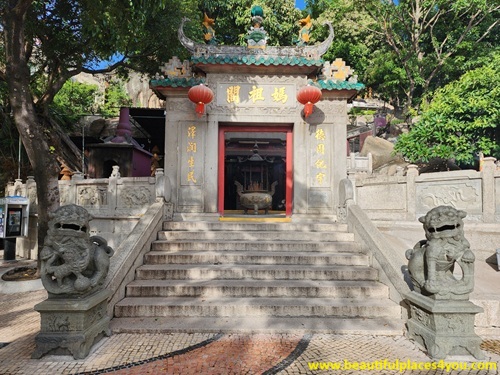
A-Ma Temple
This Mazu Temple existed before the founding of the city. The earliest structure believed to be the Hall of Benevolence was built in 1488.
A UNESCO World Heritage Site.
A monument of Macao.
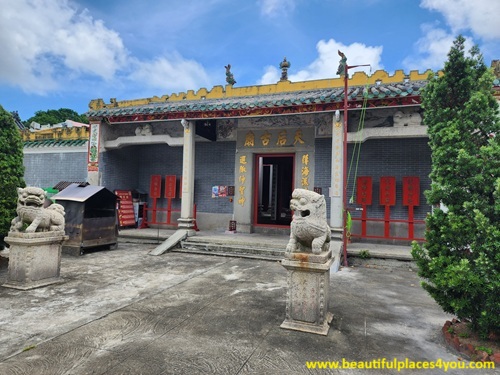
Coloane Village Tin Hau Temple
The Tin Hau Temple is believed to be built in 1667 while the iron bell is dated to 1763.
The temple is a monument of Macao.
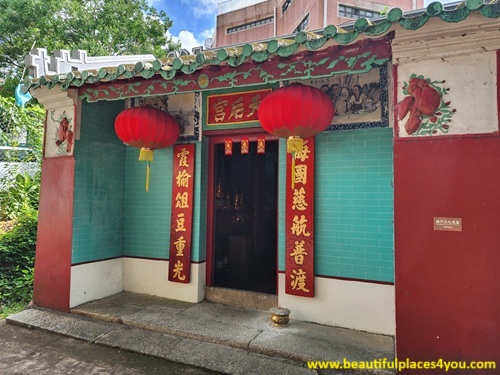
Taipa Cheok Ka VillageTin Hau Temple
This Tin Hau Temple was built between 1662 - 1723.
The temple is a monument of Macao.

Taipa Village Tin Hau Temple
This Tin Hau Temple was built around 1785. It houses many historical relics including a bell casted in 1785 during the reign of Emperor Qianlong.
The Temple is a monument of Macao.
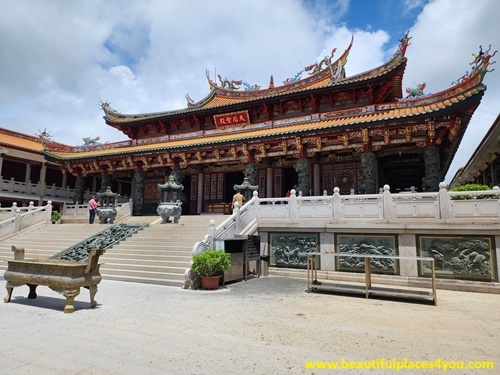
A-Ma Cultural Village Tin Hau Temple
The temple complex with South Fujian architectural design opened in March 2004.
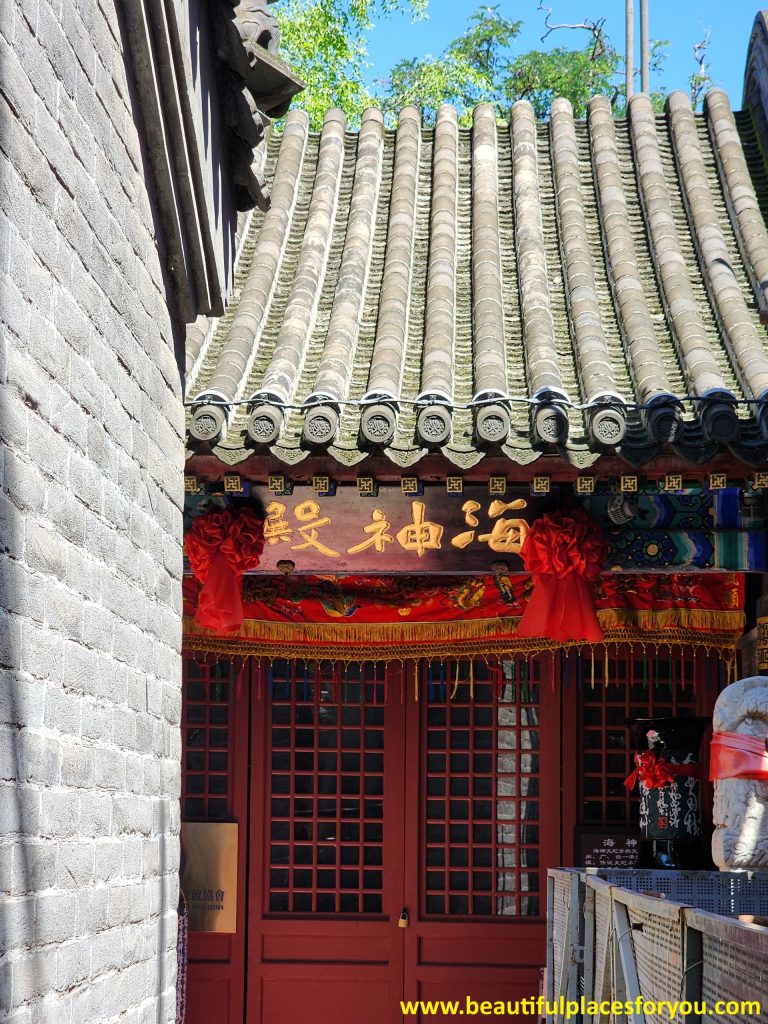
Dongyue Temple Sea God Shrine
The Sea God Shrine is dedicated to Mazu. The Shrine was built in 1836.
City: Beijing City Chaoyang District
Municipality: Beijing
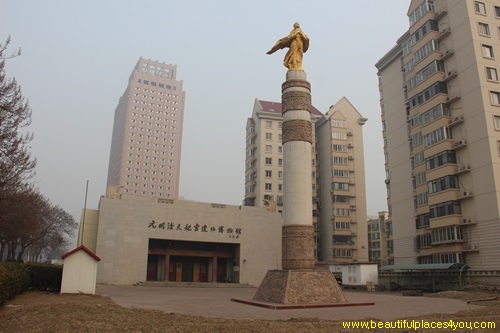
Tianjin Tianfei Temple Site
This is the site of a Tianfei Palace built in the Yuan Dynasty.
City: Tianjin City Hedong District
Municipality: Tianjin
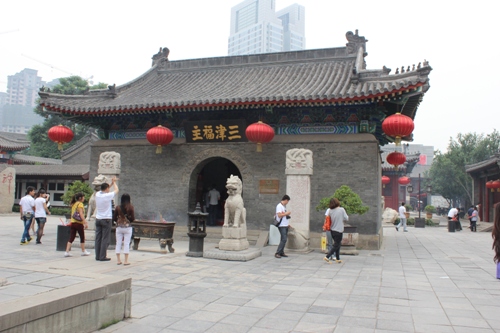
Tianhuo Gong Temple
The temple was first built in 1326 as Tianfei Palace. It is the oldest building in Tianjin city. The temple named was changed to Tianhuo Temple in 1684.
City: Tianjin City Nankai District
Municipality: Tianjin
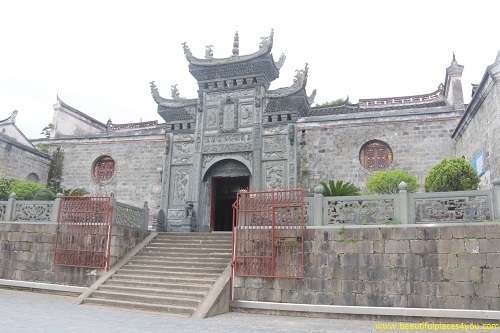
Hunan Zhijiang Tianhou Temple
Zhijiang Tiangong Temple was built in 1728 and is the largest in central China.
A major cultural heritage site under national-level protection.
County: Zhijiang Dong Autonomous County
Prefecture: Huaihua
Province: Hunan
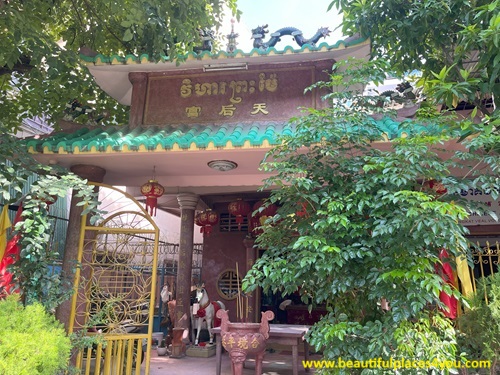
Tianhou Temple
The Tianhou Temple is a place of worship for the Chinese community in Cambodia. It was reconstructed in 2000.
City: Phnom Penh
Province: Phnom Penh
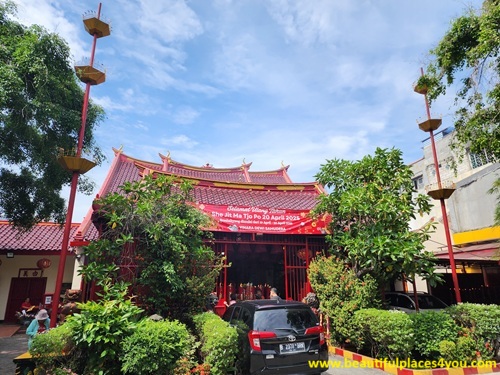
Vihara Dewi Samudera
This temple is also known as Jakarta Tianhou Temple. It was established in 1751.
There are about 80 Mazu Temples across Indonesia.
District: West Jakarta
Province: Special Capital Region of Jakarta
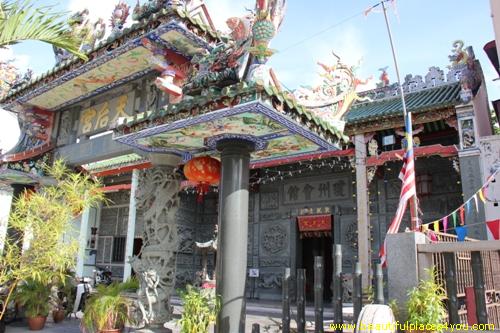
Hainan Association & Mazu Temple
The Mazu Temple was established around 1866 by the Hainan community in Penang.
City: Penang City
State: Penang State
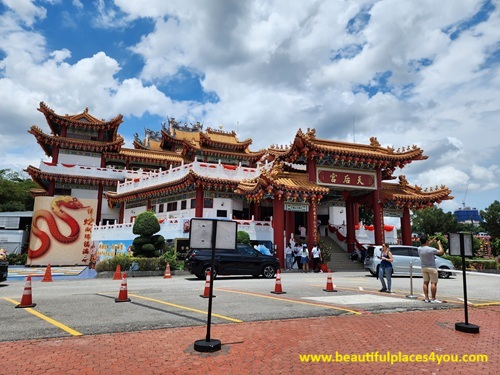
Thean Hou Temple
The Mazu Temple was established in 1989 by Hainanese in Malaysia. The Temple name means Mazu Temple in Hokkien dialect.
District: Seputeh
State: Kuala Lumpur
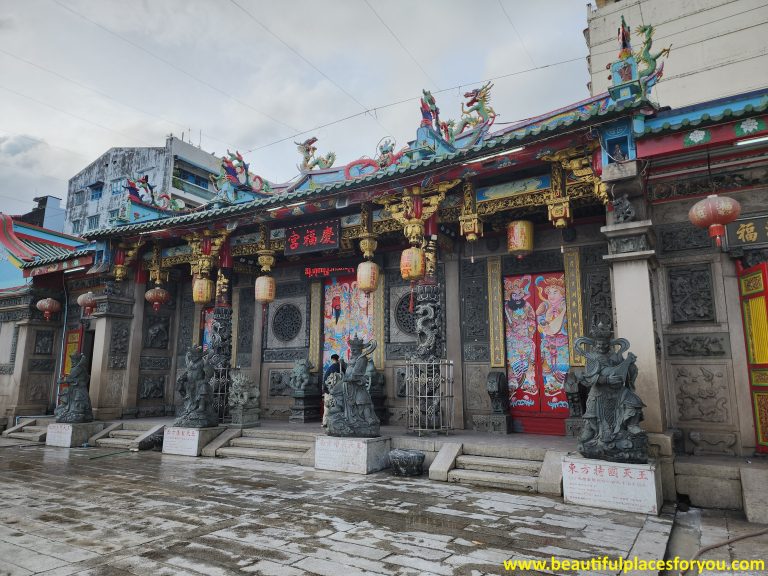
Kheng Hock Temple
This is the largest Mazu Temple in Yangon. It was founded in 1861 and houses the Hokkien Association.
City: Yangon
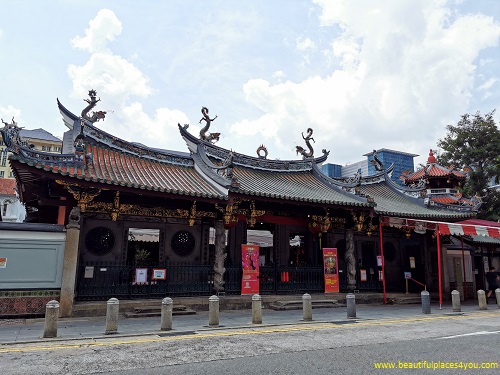
Thian Hock Keng Temple
The temple name means Temple of Heavenly Blessings in hokkien dialect. It was founded in 1839.
In the 19th century, sailing between China and southeast Asia increases due to trade and Chinese immigrants mainly from the Guangdong and Fujian Provinces of China who seek work in Southeast Asia. The immigrants and saliors had to sail in Chinese junks for one to two weeks to Singapore under harsh conditions. They prayed to Goddness Mazu to bless and protect them during the journey. Gradually, Mazu Temples were setup for the immigrants and sailors to thank Goddness Mazu for a safe voayage when they landed in Singapore. The Chinese community form clans to support their own dialets groups or those from the same hometown in China. The clans and community leaders started to built Mazu Temples too and the temples names are in the local dialects.
Region : Central
Planning Area: Outram
City: Singapore
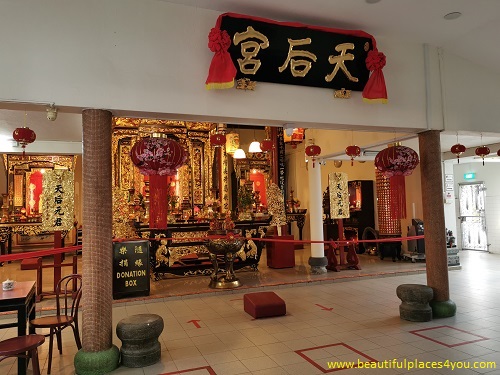
Qiong Zhou Tin Hou Temple
The Tian Hou Temple was founded in 1854 together with the Singapore Hainan Clan Association and relocated to the current site in 1887. Qiong Zhou Tian Hou Temple was founded by clan members from Qiongzhou county of China's Hainan Province.
Region : Central
Planning Area: Downtown Core
City: Singapore
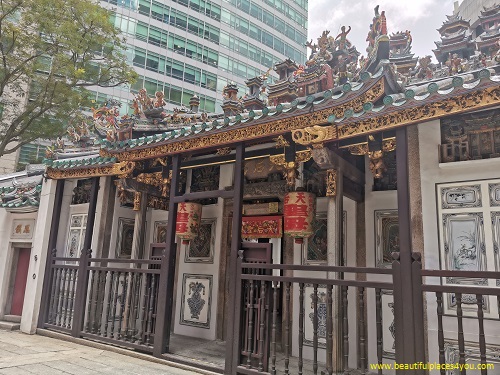
Yueh Hai Ching Temple
Temple of the Calm Cantonese Sea was built in 1895.
Region : Central
Planning Area: Downtown Core
City: Singapore
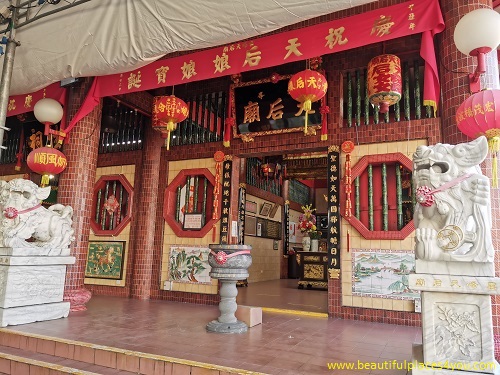
Hoon Hong Tian Ho Temple
The Temple was founded in 1911 at St Michael by immigrants from China's Guangxi Province. It was rebuilt by the Cantonese community in 1936 and 1958. The Joss Ash from the Temple was used for setting up Kampong San Teng Tien How Association. It was moved to this current location in 1987 and is part of the Potong Pasir Joint Temple.
This is the 75th Mazu Temple visited.
Region : North East
Planning Area: Ang Mo Kio
City: Singapore
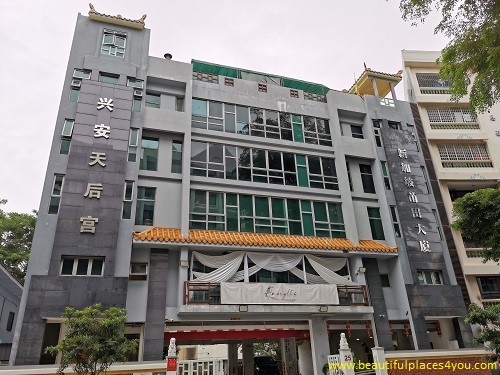
Xing An Tian Hou Temple
The Xing An Tian Hou Temple was founded in the 1920s at 133 Queen Street for immigrants from Putian in China. It moved to this current location in 1991 together with Nanyang Putian Clan Association.
Region : Central
Planning Area: Geyland
City: Singapore
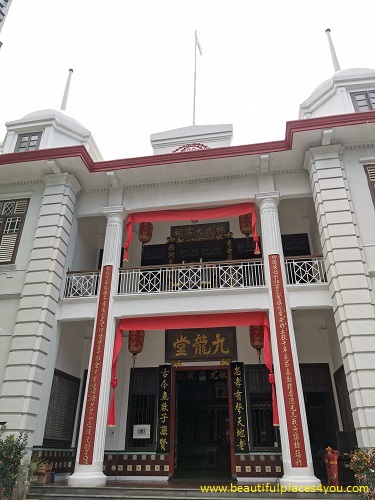
Lim See Tai Chong Soo Kiu Leong Tong
This is an ancestral temple founded in 1928 to worship the Lim family's ancestors. Goddness Mazu's surname is Lim and is considered as the Grand Aunt of the Lim clan.
Region : Central
Planning Area: Downtown Core
City: Singapore
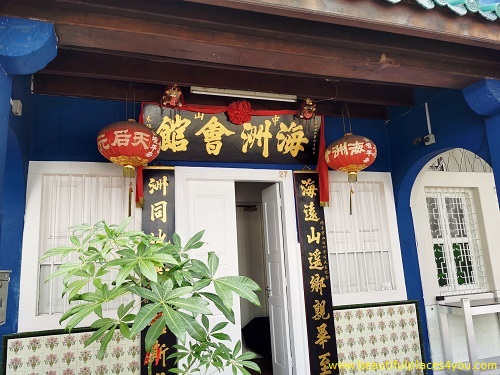
Chung Shan Hoizou Association
The association was founded in 1934. The Goddess Mazu was invited from Hoizou, China.
Region : Central
Planning Area: Downtown Core
City: Singapore
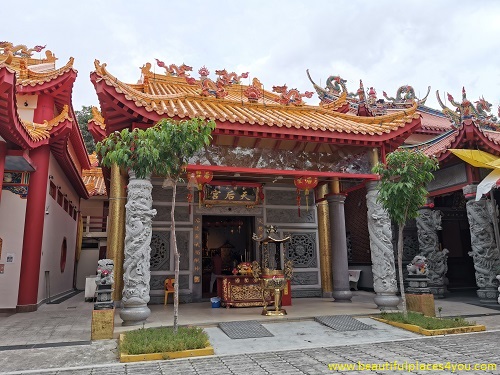
Kampong San Teng Tien How Association
The Kampong San Teng Tien How Association was founded in the 1940 with Joss Ash from Hoon Hong Tian Haw Temple. It was moved to this current location in 1986 and is part of the Thomson Joint Temple.
Region : Central
Planning Area: Bishan
City: Singapore
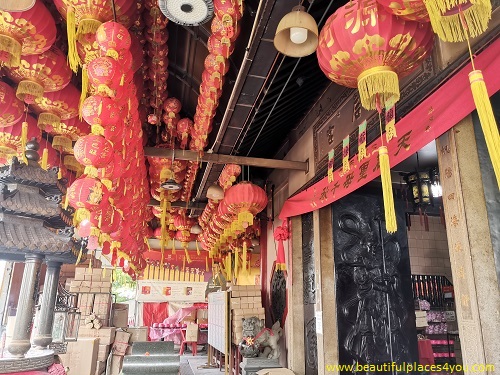
Sembawang Tian Hou Temple
The Temple was founded in 1947 as Sai Ho Koo Kay Tian Ho Temple for the Lim community in Sembawang and Yishun area. The temple name was changed to the current one when it moved to this current location in 2006 and is part of the Sembawang United Temple.
Region : North
Planning Area: Sembawang
City: Singapore
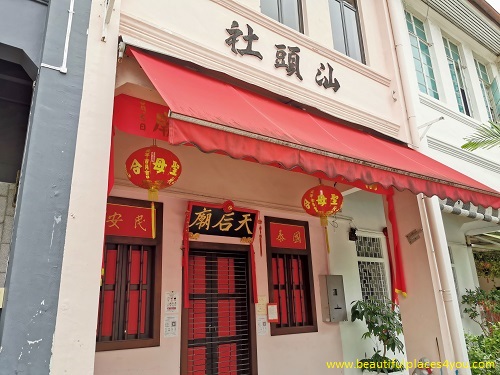
Swatow Sia Mazu Temple
The Swatow Sia Mazu Temple was initially setup at Whampoa Garden before the temple was built in 1956. It moved to this current location in 1994.
Region : Central
Planning Area: Geyland
City: Singapore
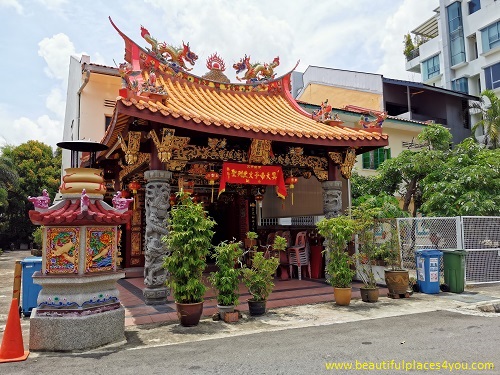
Ling Ci Xing Gong Temple
The Temple was founded in 1962 with Joss Ash and Goddness Mazu statue from Ling Ci Temple in Putian, China.
Region : Central
Planning Area: Rochor
City: Singapore
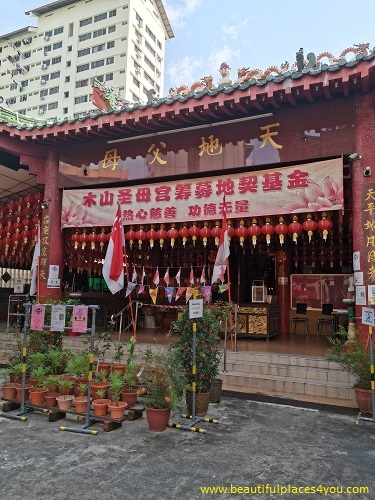
Bak Sua Siah Boo Temple
The Temple was founded in 1976 at Lim Chu Kang 19th milestone with Goddess Mazu as the main deity. The name of the temple is in Teochew dialect. It was moved to this current location in 1999 and is part of the Cheng Hwa Cher Siah Temple.
Region : West
Planning Area: Bukit Panjang
City: Singapore
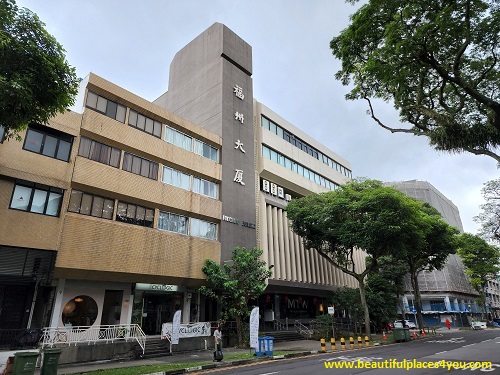
Singapore Foochow Association Tianhou Temple
The .
Region : Central
Planning Area: Kallang
City: Singapore
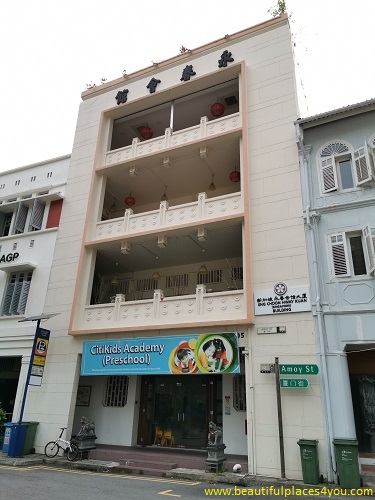
Eng Choon Clan Association
The .
Region : Central
Planning Area: Downtown Core
City: Singapore
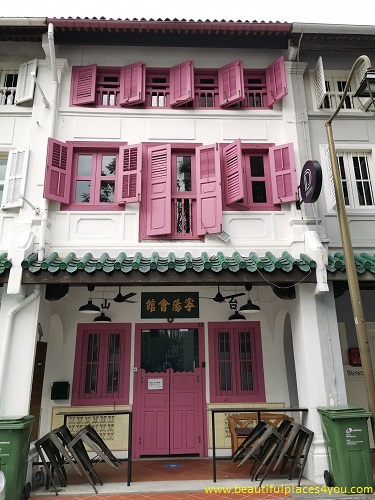
Ning Yeung Clan Association
This association was founded by Cho Ah Chee in 1822 to support immigrants from Taishan in Guangdong Province China. In 1819, Cho Ah Chee was a carpenter onboard S.S Indiana which sailed with Stamford Raffles from Penang and a member of the team that landed at the mouth of Rochor River to confirm the island is not under Dutch rule and planted the British flag at Forbidden Hill. Raffles awarded a piece of land to him which was used to built the first clan association in Singapore. He is one of the earliest Chinese immigrant to Singapore.
Region : Central
Planning Area: Downtown Core
City: Singapore
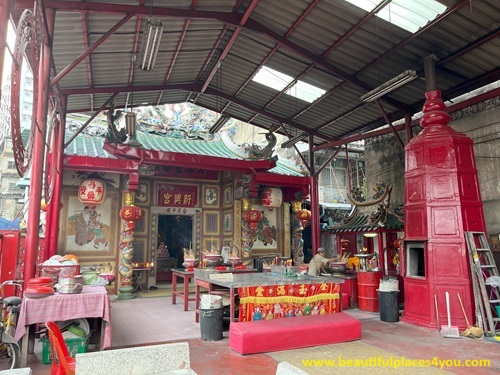
Xinxing Palace
This Mazu Temple was built prior to 1879 based on the description on the bell.
District:Sathon
City:Bangkok
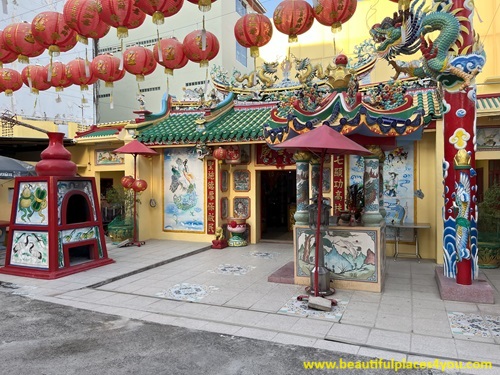
San Chao Chet
The Mazu Temple was built in 1882 by the Cantonese. The temple was named after the seven numbers of Goddess Mazu statues.
District:Bang Rak
City:Bangkok
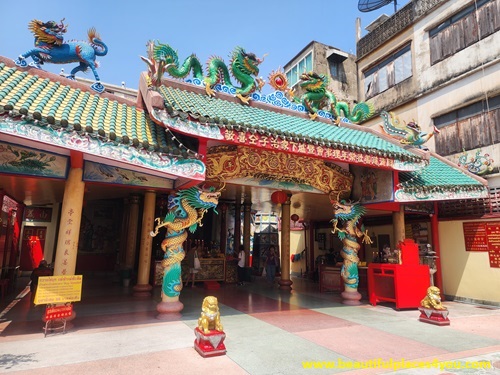
Chao Mae Thapthim Shrine, Phahurat
This Mazu Temple was registered in 1917. It is also known as Tian Hou Xia Bo. During World War 2, allies bombing on the Wat Leap power plant damaged the surrounding area while the the temple remained intact. The current temple was reconstructed in 1955.
District:Phra Nakhon
City:Bangkok
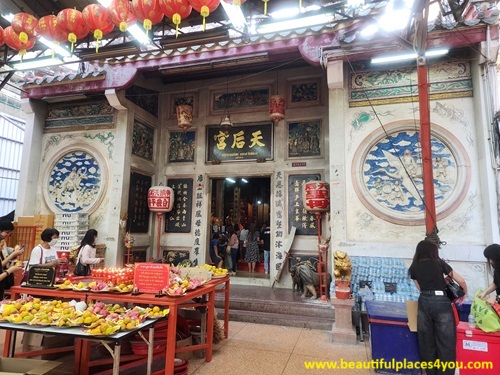
Chao Mae Thaptim Saphan Lueang
The temple was built by the Chinese Teochew in the Sam Yan quarters in 1970.
District:Pathum Wan
City:Bangkok
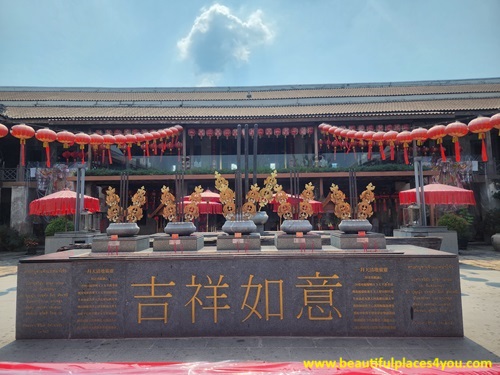
San Chao Mae Thaptim Khlong San
The Mazu Shrine is located inside Lhong 1919.
District:Khlong San
City:Bangkok
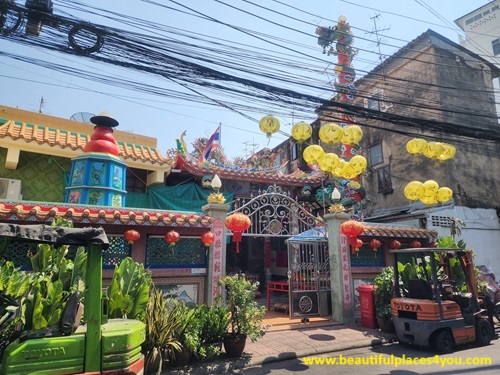
Fulian Palace
District:Samphanthawong
City:Bangkok
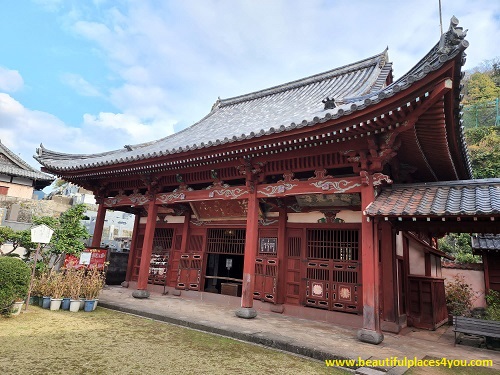
Kofukuji Temple Mazu Hall
The Chinese temple founded in 1620 is the oldest and one of the most important Chinese founded temple in the city. It has a Mazu Hall where Chinese merchants used to pray for their safe sea travel.
City: Nagasaki
Prefecture: Nagasaki
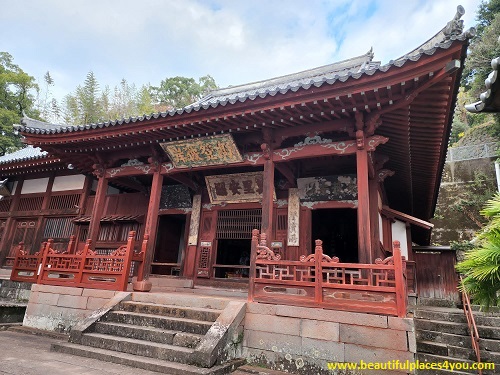
Sofukuji Temple Mazu Hall
The temple was built in 1629 by Chinese monk Chaonian as the family temple for Fuzhou Chinese who settled in Nagaskai. The goddness of the sea, Mazu is enshrined in the Mazu Hall.
City: Nagasaki
Prefecture: Nagasaki
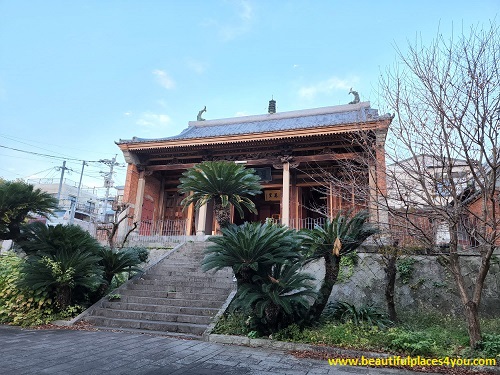
Nagasaki Former Chinese Settlement Hokkien Clan Association Tenkodo Hall
The association opened in 1868 and the Tenkodo Hall is dedicated to Mazu, Goddess of the Sea.
City: Nagasaki
Prefecture: Nagasaki
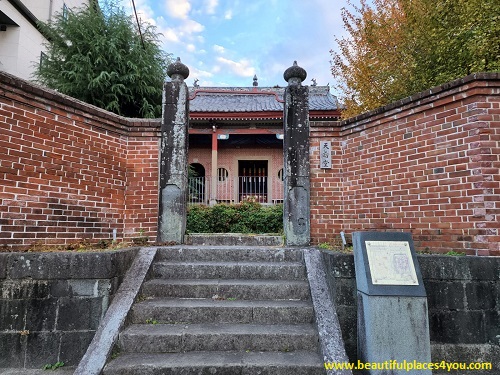
Former Chinese Settlement Mazu Temple
This Mazu Temple was established in 1703.
City: Nagasaki
Prefecture: Nagasaki
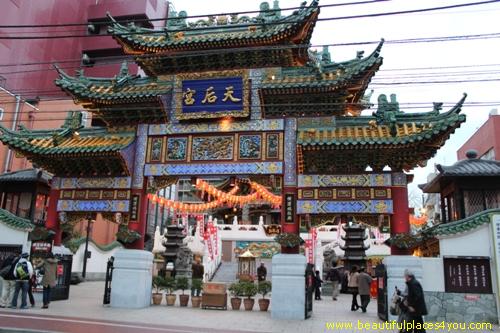
Yokohama Chinatown Tianhou Temple
The temple was opened on 17 Feb 2006. It was built by the Chinatown community with donations from all over Japan.
City:Yokohama
Prefecture: Kanagawa
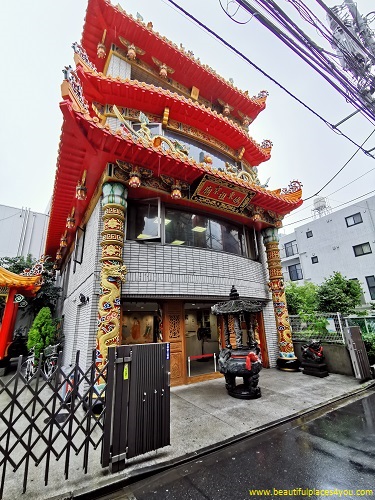
Shinjuku Maso Temple
The Temple opened on 13 October 2013.
City:Tokyo Shinjuku District
Prefecture: Tokyo
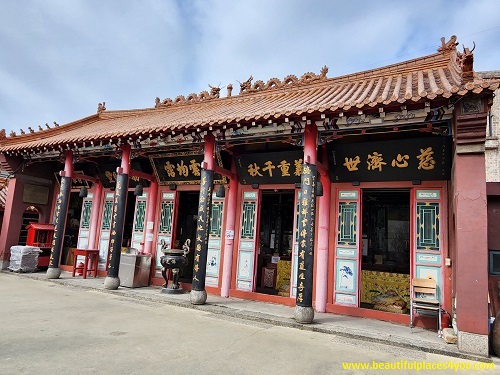
Uiseondang
Uiseondang was built in 1893 in the former Chinese settlement established after the signing of the China-Korea treaty in 1882. It is a Chinese temple enshrining several deities. Mazu is enshrined in the temple as sailing between South Korea and China is the main mode of travel and travelers seek Mazu's blessing for safety at sea.
In Seoul, the Geoseondang was setup around 1884 to serve as a religious place and to provide support the Chinese in Seoul. It enshrines several deities. Mazu is enshrined in the temple as sailing between South Korea and China is the main mode of travel and travellers seek Mazu's blessing for safety at sea.
City: Incheon Jung-gu
Metropolitan City: Incheon