清朝 Imperial China Qing Dynasty
Ming Dynasty Emperors
Emperor Taizu
Temple & Personal Name:
清太祖努尔哈赤
Taizu Nurhaci
Era Name:
天命
Tianming
Reign:
17 February 1616 –30 September 1626
1582 Unified Manchus
In 1582, Nurhaci defeated other Jurchen tribes and unite them. In 1625, Nurhaci conquered Shenyang and make it the Manchurian capital.
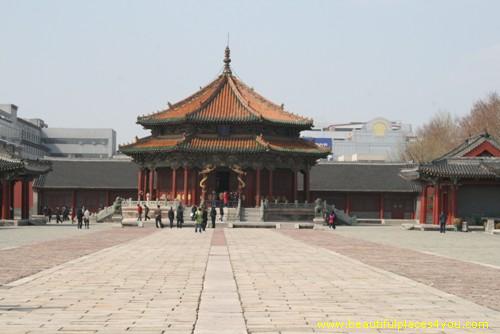
1625 Conquest of Shenyang
In 1625, Nurhaci conquered Shenyang and make it the Manchurian capital.
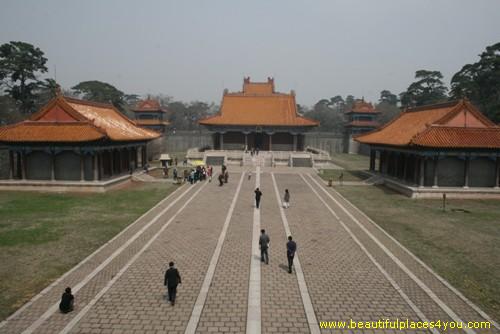
1626 Nurhaci passed away
Fuling Mausoleum is the mausoleum of Nurhachi. it is located in Shenyang City, Liaoning Province.
Emperor Taizhong
Temple & Personal Name:
清太宗皇太极
Taizong Hong Taiji
Era Name:
崇德
Chongde
Reign:
20 October 1626 –15 May 1636 (Khans of the Jin)
15 May 1636 – 21 September 1643 (Founder of Qing)
Hong Taiji continue to strengthen his artillery and continued to attack the Ming Empire. He renamed their Empire from Later Jin to Great Qing Empire.
Emperor Shunzhi
Temple & Personal Name:
清世祖顺治
Taizong Shunzhi
Era Name:
順治
Shunzhi
Reign:
30 October 1644 – 5 February 1661
Emperor Shunzhi was a 5 years old child and the regent, Dorgon ruled on behalf of the Emperor. The priority of the Emperor was to defeat the remaining forces of the Ming Dynasty. The last major forces was defeated in 1659 when Koxingga retreated to Taiwan.
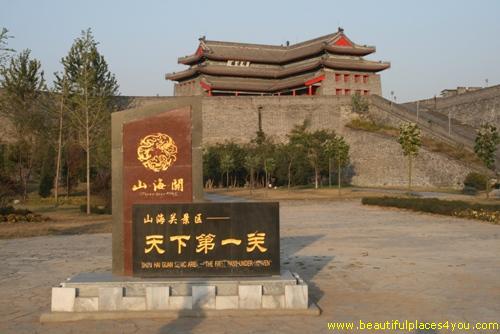
Wu Sangui, the general guarding the Great Wall at Shanhai Pass sided the Manchus during the internal conflict with Li Zhicheng. Manchu tropps entered Shanhai pass and conqured Beijing in 1644.
Emperor Shunzhi announced founding of new dynasty in China on 30 October 1644. The new dynasty focused on conquering the rest of China. 13 years old Emperor Shunzhi ruled the empire himself from 1650 when Dorgon passed away.
Ming officials were reappointed to help stabilized the empire. Ming officials and military leaders were persuaded to surrender. In 1645, Dorgon decreed all Ming men to have Manchu-style pigtails. Those who resisted were massacred. In 1646, Imperial exams was reestablished and continued till 1911.