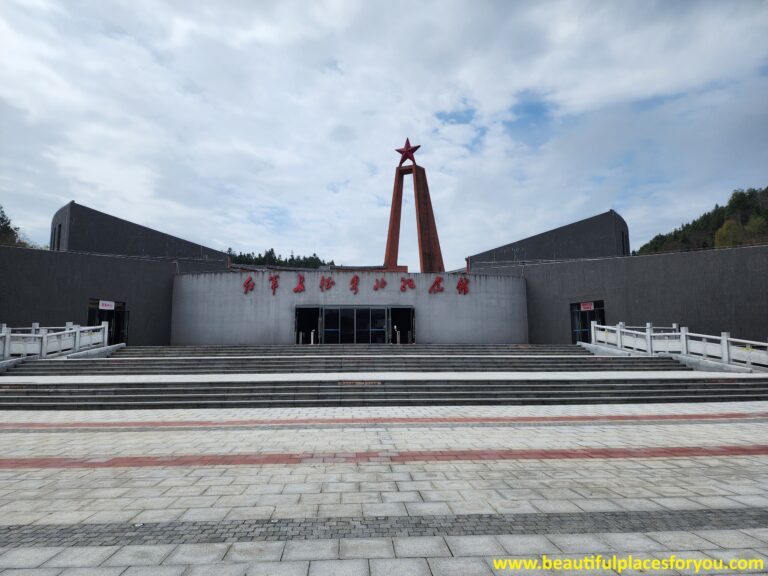
Home » Long March

Long March

by ckylsss08@gmail.com

长征 Long March

The Long March was a military retreat undertaken by the Chinese Communist Party (CCP) and the Red Army to escape total destruction by Chiang Kai-shek’s Nationalist (Kuomintang) forces. The Long March (1934–1936) involved four main Red Army groups (historically referred to as “Front Armies”). These forces retreated from different Communist base areas across China and eventually unified in the north.

First Front Army (Central Red Army): Largest force with about 86,000 troops; led by Bo Gu, Zhou Enlai, Otto Braun, and later Mao Zedong; left Jiangxi in October 1934.

Twenty-Fifth Army: Small, fast force with about 3,000 troops; left the Hubei-Henan-Anhui base in November 1934; first unit to reach Shaanxi safely.

Fourth Front Army: Strong, well-equipped force with about 80,000 troops; led by Zhang Guotao and Xu Xiangqian; left Sichuan-Shaanxi in March 1935.

Second Front Army: Led by He Long and Xiao Ke (2nd and 6th Corps); started their retreat from Hunan late in November 1935.

红一方面军 (中央红军) First Front Army (Central Red Army)

Long March Period :

16 October 1934 to 19 October 1935

Starting Location:

Yudu County and Ruijin in Ganzhou City, Jiangxi Province

Long March Distance:

12,500 km

Oct 1934 – Jan 1935: Breakout and Early Challenges

The First Front Army (Central Red Army) 红一方面军 (中央红军) started the Long March with about 86,000 troops and was led initially by Bo Gu, Zhou Enlai, and Otto Braun, and later by Mao Zedong

Breakout and Early Challenges: 16 October 1934 Departure

The First Front Army (Central Red Army) 红一方面军 (中央红军) started the Long March with about 86,000 troops and was led initially by Bo Gu, Zhou Enlai, and Otto Braun, and later by Mao Zedong

Breakout and Early Challenges: Blockade Lines

The First Front Army (Central Red Army) 红一方面军 (中央红军) fought through three Nationalist lines in Jiangxi, Guangdong, and Hunan

Breakout and Early Challenges: Oct and Nov 1934 Blockade Lines

The Red Army entered the northern tip of Guangdong province after departing from their base in Jiangxi on 16 October 1934. Between 5 and 7 November 1934, the troops moved through areas like Nanxiong and Renhua, eventually heading toward Lechang. This phase of the march was notable because Zhou Enlai negotiated a secret deal with Guangdong warlord General Chen Jitang. Chen preferred protecting his own local power over fighting for Chiang Kai-shek's Nationalist government. As a result, he allowed the Red Army to pass through his territory with minimal resistance, helping them break through early Nationalist blockades before they crossed into Hunan.
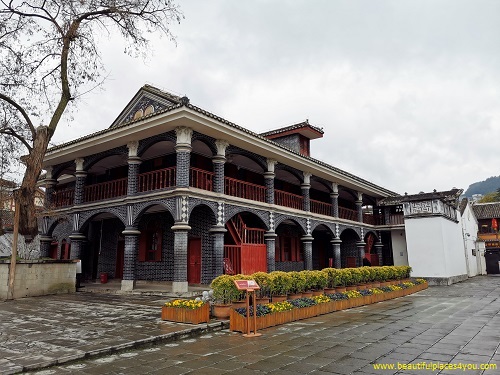
Breakout and Early Challenges: 25 Nov – 3 Dec 1934 Xiang River Battle

The First Front Army (Central Red Army) 红一方面军 (中央红军) conducted a costly crossing near the Guangxi border, reducing their forces significantly to about 30,000 personnel.

Breakout and Early Challenges: 12 & 18 Dec 1934 Strategic Shift

The First Front Army (Central Red Army) 红一方面军 (中央红军) held meetings at Liping, Guizhou ( 12 Dec) and Tongdao, Hunan (18 Dec) and decided to shifted westward into Guizhou to avoid further ambushes.

Tactical Flexibility and Leadership: 15–17 January 1935 Zunyi Conference

The Zunyi Conference was a turning point where Mao Zedong took control of the Chinese Communist Party (CCP). By replacing Bo Gu and Otto Braun, the party switched to guerrilla tactics that saved the Red Army. This move marked the CCP's shift from Soviet control to independence.
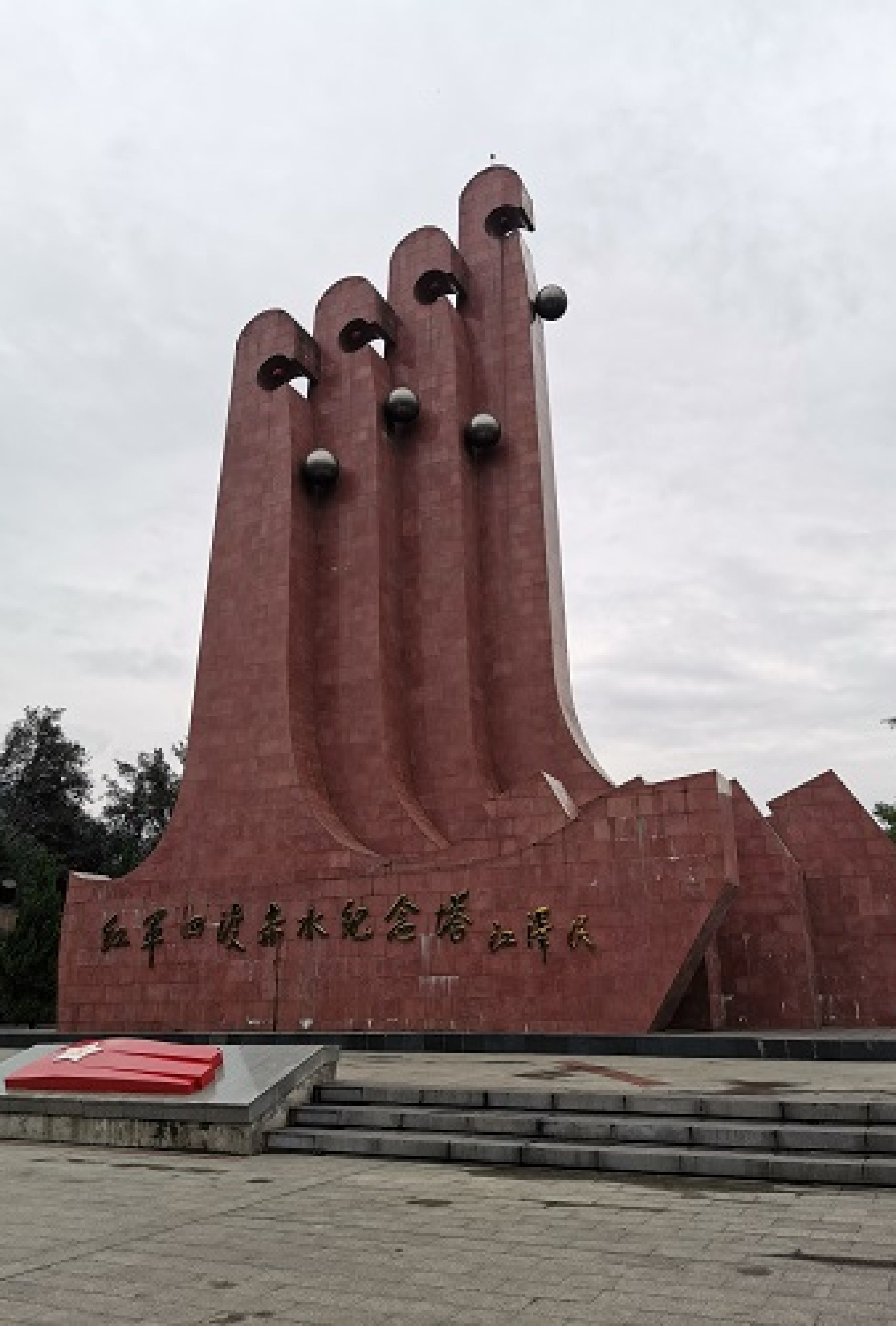
Zunyi Renhuai Monument for the Four Chishui River Crossing

Tactical Flexibility and Leadership: Jan – Mar 1935 Four Crossings of the Chishui river

Monument for the Four Chishui River Crossing.
Mao Zedong's encircled Red Army successfully evaded Chiang Kai-shek's superior Nationalist forces during the Four Crossings of the Chishui River. These unpredictable, repeated crossings thoroughly disoriented the enemy. This masterful tactical deception allowed communist forces to breach the blockade, escape destruction, and ensure survival during the Long March.
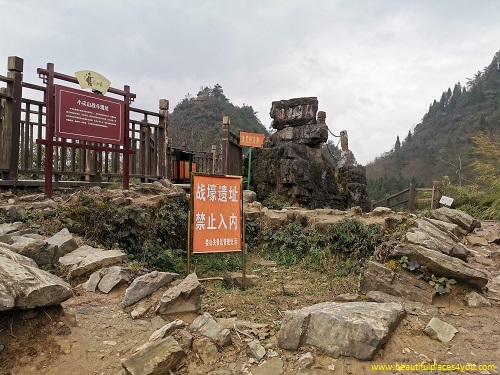
Tactical Flexibility and Leadership: February 1935 Battle of Loushan Pass

The Battle of Loushan Pass marked the first major military triumph for the CCP’s Red Army during their historic Long March. Under the direct strategic leadership of Mao Zedong, this critical encounter altered the course of the campaign by successfully breaching Chiang Kai-shek’s Nationalist (Kuomintang) blockade in Guizhou province.
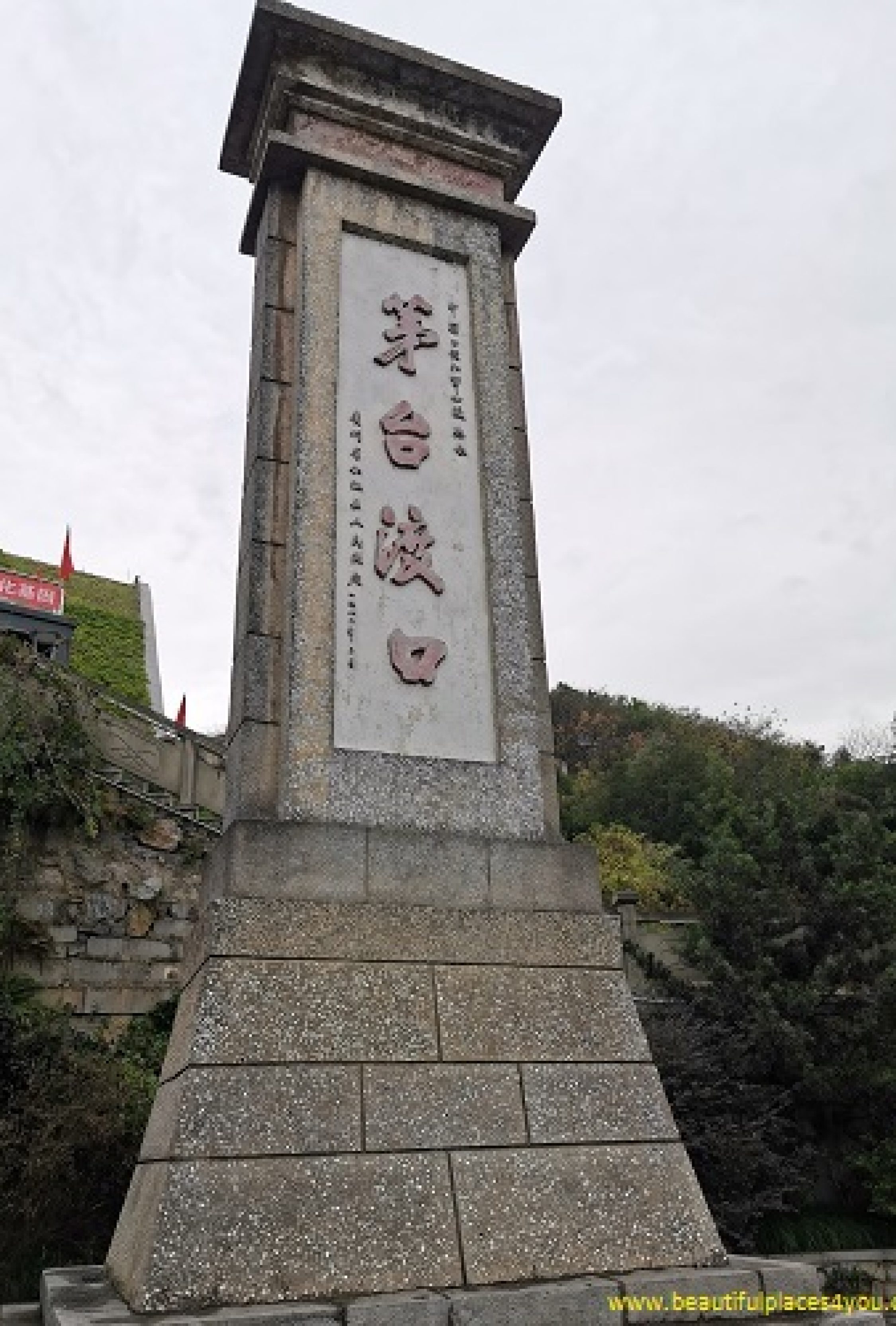
Zunyi Renhuai Maotai Chishui River Crossing Monument

Tactical Flexibility and Leadership: 16–17 Mar 1935 The Third Crossing of the Chishui river

Maotai Chishui River Crossing Monument
The Red Army's third westward crossing at Maotai Town was a strategic feint, baiting Chiang Kai-shek into concentrating his forces in northwestern Guizhou.

Tactical Flexibility and Leadership: May 1935 Jinsha River Crossing

The First Front Army (Central Red Army) 红一方面军 (中央红军) started the Long March with about 86,000 troops and was led initially by Bo Gu, Zhou Enlai, and Otto Braun, and later by Mao Zedong

Mountainous Terrain and Mergers: Jun – Sep 1935

The First Front Army captured Luding Bridge in May 1935 to cross over the Dadu River and across the Snow Mountains & Grasslands. In June 1935, they met with the Fourth Front Army in Maogong.

Final Stretch to the North: Sep – Oct 1935

The critcal Lazikou Pass was captured in Sep 1935 and on 19 Oct 19, 1935, First Front Army reached Wuqi, northern Shaanxi, with about 7,000–8,000 soldiers remaining

Yangjialing headquarters of the Chinese Communist Party (CCP): November 1938 to March 1947

Yan'an Date Garden

Yan'an Date Garden served as the working office and headquarters for the Secretariat of the CPC Central Committee from 1941 to March 1947

红二十五军 Twenty-Fifth Army

Long March Period :

16 November 1934 to 15 September 1935

Starting Location:

Hejiachong, Luoshan County, Henan Province

Long March Distance:

5,000 km

16 November 1934: The Departure

The march kicked off in Hejiachong, a spot in Henan Province's Luoshan County. The army managed to break through the Nationalist lines by heading west right through the Tongbai and Funiu mountains.

Late 1934 – Mid 1935: The Hubei-Henan-Shaanxi Base

Instead of just marching non-stop, the 25th Army set up a temporary base right where the rugged borders of Hubei, Henan, and Shaanxi meet. This gave them a chance to grab supplies, recruit fresh soldiers, and keep the Nationalist troops pinned down.

July – August 1935: The Westward & Northward Breakthrough

To support and relieve pressure on the main Red Army forces, the 25th Army left its base, marched rapidly through the rugged Qinling Mountains, and broke into southern Gansu.

15 September 1935: First to Destination

The unit made it to Yongping Town in northern Shaanxi. Their arrival locked down a safe haven for the revolution, setting the stage for Mao Zedong and the main Central Red Army to meet up with them just a month later.

红四方面军 Fourth Front Army

Long March Period :

28 March 1935 to October 1936

Starting Location:

Cangxi County, Sichuan Province

Long March Distance:

5,000 km

28 March 1935: Start of Long AMrch

The 红四方面军 Fourth Front Army was a powerful, well-equipped force of about 80,000 troops abd was led by Zhang Guotao and Xu Xiangqian.
In March 1935, the Fourth Front Army officially commenced its Long March from Cangxi County in northern Sichuan province. To bypass a critical Kuomintang (KMT) blockade, they executed a vital, forced crossing of the Jialing River

May 1935: Westward Advance

In May 1935, the primary military force pressed west into the mountainous regions of Sichuan, an area home to various ethnic minorities. During this push, they successfully captured both Tumen town and Maoxian County.

June 1935: The First Reunion

In June 1935, the Fourth Front Army successfully joined forces with the Central Red Army (the First Front Army led by Mao Zedong) in Maogong, located in modern-day Xiaojin County, Sichuan

August 1935: The Split and Southward Route

A strategic split between Mao Zedong and Zhang Guotao divided their armies, leading Zhang to order the Fourth Front Army south toward western Sichuan. During this march, the troops were forced to cross treacherous, high-altitude marshlands up to three times. This brutal journey, combined with heavy combat against KMT forces, resulted in catastrophic casualties.

July 1936: The Westward Shift

A strategic split between Mao Zedong and Zhang Guotao divided their armies, leading Zhang to order the Fourth Front Army south toward western Sichuan. During this march, the troops were forced to cross treacherous, high-altitude marshlands up to three times. This brutal journey, combined with heavy combat against KMT forces, resulted in catastrophic casualties.

October 1936: The Final Destination

The unified forces pivoted back north, marching across Qinghai and into southern Gansu. When the Fourth Front Army finally made it to Huining, Gansu province, it signaled the historic reunion of the three main Red Army branches and the definitive end of the Long March

红二方面军 Second Front Army

Long March Period :

19 November 1935 to 22 October 1936

Starting Location:

Sangzhi County Zhangjiajie City Hunan Province

Long March Distance:

10,000 km

October 1934

The 2nd and 6th Corps joined forces in Western Hunan and Hubei

19 November 1935: The Departure

The 红二方面军 Second Front Army was led by He Long and Xiao Ke. This force was originally composed of the 2nd and 6th Corps and started the Long March with 17,000 troops, setting out on the Long March from Sangzhi County Zhangjiajie City Hunan Province.

Early 1936: Southwestern Maneuvers

The 2nd and 6th Corps crossed the Jinsha River and traversed high-altitude snow mountains in the Yunnan-Tibet borderlands.

April 1936: Crossing the Jinsha River

In April 1936, the Red Army's 2nd and 6th Corps established their headquarters in Lijiang's Old Town. From this base, they successfully navigated the strategic Jinsha River, guiding more than 18,000 soldiers across safely.
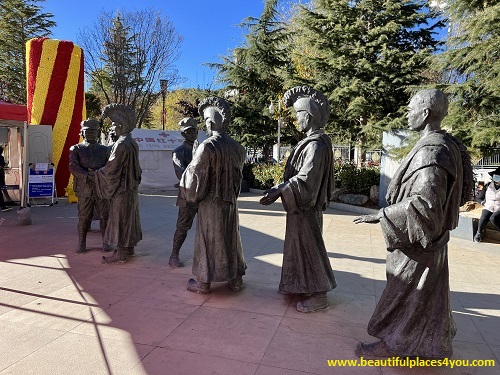
April 1936

The Second Front Army of the Chinese Workers' and Peasants' Red Army, led by He Long and Ren Bishi, marched past the area of present-day Shangri-La City (formerly known as Zhongdian County) in April 1936 during their movement through Yunnan Province.
From July 1936, rendezvous at Ganzi led them to ending the Long March in October 1936. The 红二方面军 Second Front Army ended the Long March at Jiangtaibao Town, Xiji County, Guyuan City, Ningxia Hui Autonomous Region.