
Yunnan Jinsha River
The upper reaches is comprises of three sub sections of Tuotuo River (沱沱河), Tongtian River (通天河) and Jinsha River (金沙江). The Jinsha River flows towards Yibin.

Sichuan Yibin City Jinsha River
Jinsha River flows into Yibin towards the confluence with Min River

Sichuan Yibin City Yangtze River
The Jinsha River merges with the Min River, and becomes the Yangtze River. It flows from Yibin City towards Luzhou City.

Sichuan Yibin City
Yibin sits where the Min and Jinsha rivers meet to form the Yangtze River. Known as the "First City on the Yangtze", this location in Sichuan Province served as a vital trade bridge between southwest ethnic groups and central China.

Sichuan Yibin City Li Zhuang Town
It is the first town along the Yangtze River River and listed as a historical and cultural town.

Sichuan Luzhou City Yangtze River
Yangtze River flows from Luzhou city towards Chongqing City.

Chongqing Banan District Yangtze River

Chongqing Banan District Yangtze River

Chongqing Banan District Yangtze River
The Yangtze Rvier flows from Chongqing towards Yichang City.
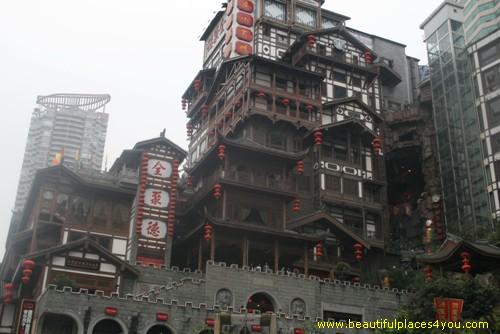
Chongqing City
Chongqing acts as the primary economic gateway to the Sichuan Basin and southwestern China. It is positioned strategically at the confluence of the Yangtze and Jialing Rivers, utilizing its mountainous geography as a natural fortress.
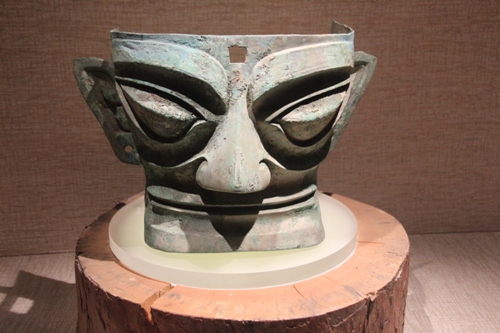
ancient Shu civilization Sanxingdui (2500 to 1000 BCE)
Sanxingdui is a major Bronze Age site in Guanghan, Sichuan, China, representing the ancient Shu kingdom and the upper Yangtze River valley civilization. It is famous for large bronze masks, sacred trees, and gold artifacts
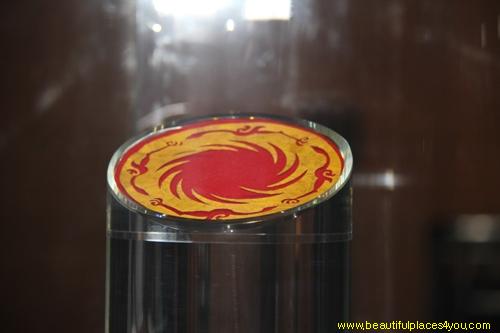
ancient Shu civilization Jinsha site (1200 BC to 650 BC)
The Jinsha site in Chengdu city served as the urban and cultural capital of the ancient Shu Kingdom. Flourishing from roughly 1200 BC to 600 BC during the Shang and Zhou dynasties, Jinsha represents a peak of Bronze Age civilisation in the Yangtze River basin characterized by its rich gold and jade artifacts and connection to the Sanxingdui culture.

Hubei Jingzhou Yangtze River
From HubeI in Yichang, the Yangtze River flow pass Jingzhou City.

Hubei Jingzhou Yangtze River
From HubeI in Yichang, the Yangtze River flow pass Jingzhou City towards Hunan Yueyang City

Hunan Yueyang Yangtze River
The Yangtze River flows from Hunan Yueyang to Hubei Wuhan.

Hunan Yueyang Yangtze River
The Yangtze River flows from Hunan Yueyang to Hubei Wuhan.

Hunan Yueyang Yangtze River
The Yangtze River flows from Hunan Yueyang to Hubei Wuhan.
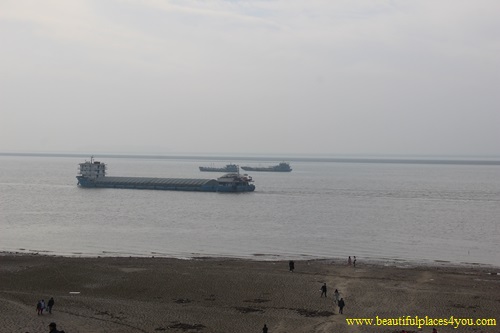
Hunan Yueyang Yangtze River
The Yangtze River flows from Hunan Yueyang to Hubei Wuhan.

Hunan Yueyang City
Yueyang City grew from the strategic confluence of the Yangtze and Xiang rivers via Lake Dongting. For centuries, the city served as a premier military choke point, controlling naval access to southern inland networks.
Yueyang Tower was originally built around 215 AD by Three Kingdoms period Eastern Wu General Lu Su as a platform to inspect naval drills in the Yangtze River
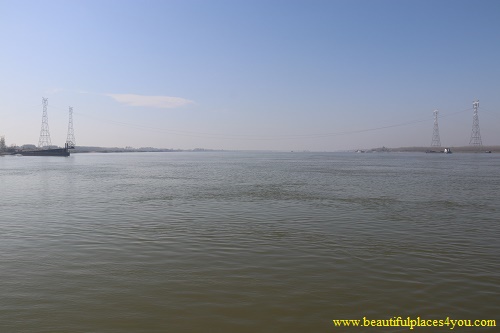
Hubei Chibi City Yangtze River
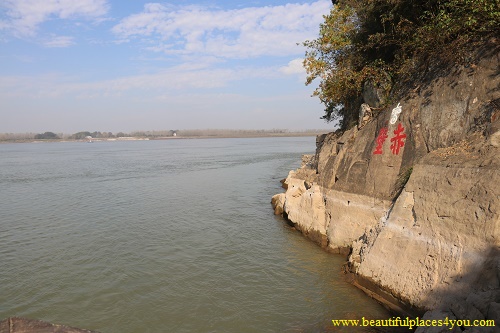
Hubei Chibi City Yangtze River Battle of Red Cliffs site

Hubei Wuhan Yangtze River

Hubei Wuhan Yangtze River

Hubei Wuhan City
Wuhan lies at the meeting point of the Yangtze River and the Han River, acting as a vital crossroads that links northern and southern China.

Hubei Wuhan Yangtze Bridge
The bridge construction started in 1955 and has been in use since 15th, October of 1957.

Hubei Huanggang City Yangtze River
Approaching the Hukou Waterfalls, the wide Yellow River suddenly constricts from several hundred meters across into a narrow, 30-to-50-meter chasm known as the dragon trough. This sudden compression forces the massive torrent to plunge over 20 meters into a deep gorge, unleashing a deafening roar and sending thick plumes of mist into the air.

Hubei Huanggang City Yangtze River
Yellow Rivers flows from North towards Shaanxi Province. It forms the border between Hohhot prefecture on the right side and Ordos Prefecture. From here, it cuts deeply through the Loess Plateau, forming the spectacular Shanxi-Shaanxi/Inner Mongolia Grand Gorge.

Hubei Huanggang Yangtze River Embankment
The embarkment is a is a critical flood control structure protecting the 1 million residents in the low-lying plains of Huanggang against high water levels and the summer monsoon season.

Hubei Ezhou Yangtze River

Hubei Ezhou Yangtze River

Hubei Ezhou Yangtze River

Hubei Ezhou Yangtze River

Hubei Huangshi City Yangtze River

Hubei Huangshi City Yangtze River
View of Yangtze River from Xisaishan Scenic Park

Hubei Huangshi City Yangtze River
View of Yangtze River from Xisaishan Scenic Park

Hubei Huangshi City Yangtze River
View of Yangtze River from Xisaishan Scenic Park

Hubei Huangshi City Yangtze River
View of Yangtze River from Xisaishan Scenic Park
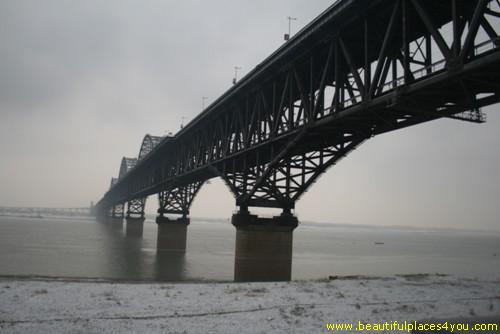
Jiangxi Jiujiang Yangtze Bridge
The construction of the bridge stated on 26 December 1973. The work was slow due to lack of funds. Construction resumed in November 1986. The highway was completed on 16 January 1993 while the railway tracks was completed on 1 June 1995.
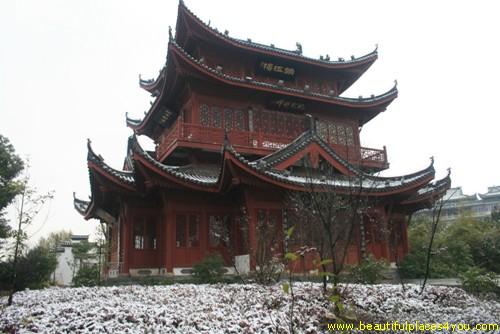
Jiangxi Jiujiang City
Jiujiang grew at the meeting point of the Yangtze River, Gan River, and Lake Poyang, serving as a key southern water trade junction and a historic Chinese tea capital.
The Jiujiang Suojiang Tower along Yangtze River was originally built in 1586 to safeguard the low-lying city against the catastrophic floods of the turbulent Yangtze River.

Anhui Anqing City Yangtze River

Anhui Anqing City Yangtze River

Anhui Anqing City Yangtze River
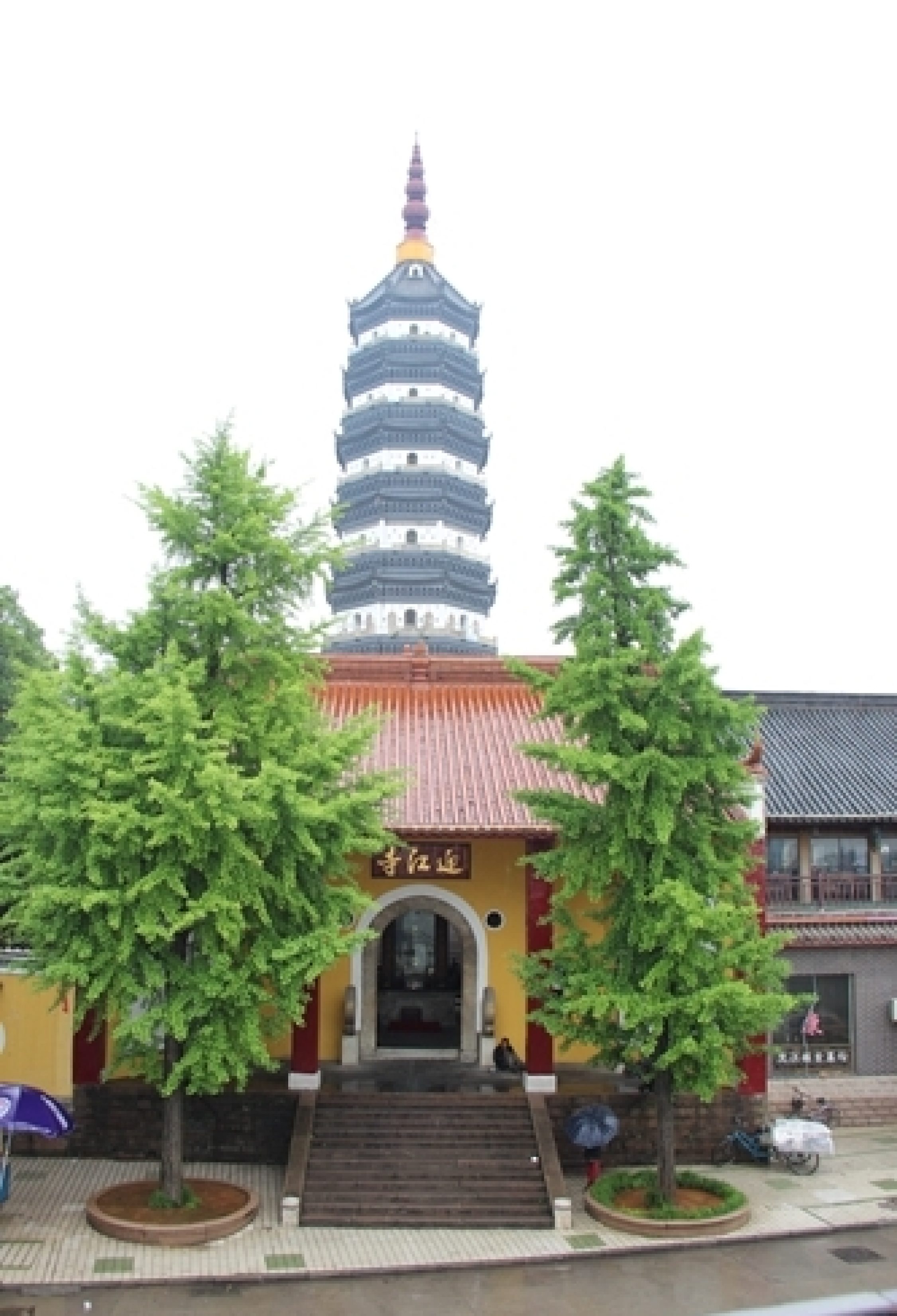
Anhui Anqing City
Anqing is a major port city situated on the northern bank of the Yangtze River serving as the gateway where the Yangtze River enters Anhui Province from upstream, shaping the city's strategic, cultural, and industrial development for centuries.
The city historically acted as a primary shipping center for regional mountains and plains. In 1876, the city opened as an international trading port.
Zhenfeng Pagoda was built in 1570 along the riverbank, serving as a navigation lighthouse for boatmen navigating the Yangtze River.

Anhui Tongling Datong Town Yangtze River
Yellow River at the mouth of the river.

Anhui Tongling Datong Town Yangtze River
Yellow River at the mouth of the river.

Anhui Tongling Yangtze River
Xingtan Floating Bridge is the last bridge across Yellow River as it flow towards the Bo Sea.

Anhui Tongling Yangtze River
Yellow River at the mouth of the river.

Tongling River Dolphin National Nature Reserve
The Yangtze finless porpoise lives only in the middle and lower parts of the Yangtze River and its connected lakes.

Tongling River Dolphin National Nature Reserve

Tongling River Dolphin National Nature Reserve

Anhui Xuancheng Anhui Chinese Alligator National Nature Reserve
Chinese Alligators are endemic to China. Their natural habitat is around the Yangtze River basin.

Anhui Xuancheng Anhui Chinese Alligator National Nature Reserve
Chinese Alligators are endemic to China. Their natural habitat is around the Yangtze River basin.

Anhui Wuhu Yangtze River

Anhui Wuhu Yangtze River

Anhui Wuhu Yangtze River

Anhui Wuhu Yangtze River

Jiangsu Nanjing City
As a crucial strategic crossing and inland port, Nanjing is deeply connected to the Yangtze River both historically and economically.

Jiangsu Nanjing City
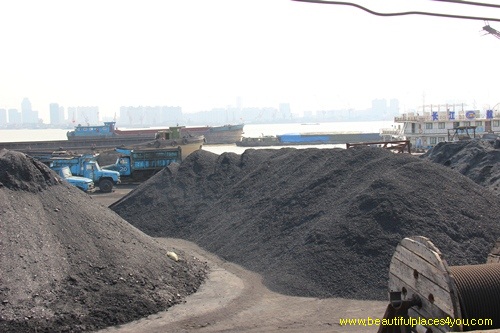
Jiangsu Taizhou Jingjiang Yangtze River

Jiangsu Taizhou Jingjiang Yangtze River

Jiangsu Taizhou Jingjiang Yangtze River

Jiangsu Taizhou Jingjiang Yangtze River

Jiangsu Wuxi Jiangyin City Yangtze River

Jiangsu Wuxi Jiangyin City Yangtze River

Jiangsu Wuxi Jiangyin City Yangtze River

Jiangsu Wuxi Jiangyin City Yangtze River

Jiangsu Wuxi Jiangyin City Conflunce of Yangtze River and Xicheng Canal

Jiangsu Wuxi Jiangyin Fortress
Jiangyin Fortress, military chokepoint since ancient times due to its location at the narrowest section of the lower Yangtze River.
This one of the five major Qing-dynasty Yangtze River defense strongholds. Listed from east to west, are Wusongkou, Langshan, Jiangyin, Sanjiangying, and Xiangshan in Zhenjiang.
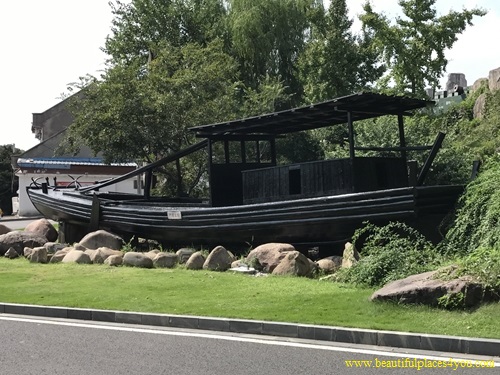
Jiangsu Wuxi Jiangyin Fortress
A full-scale replica of the First Ship to Cross the Yangtze River during the 1949 Liberation War Yangtze River Crossing Campaign.
The April 20 – June 2, 1949 Campaign was conducted along 500 km front of Yangtze River from Hukou to Jiangyin.

Jiangsu Nantong Yangtze River
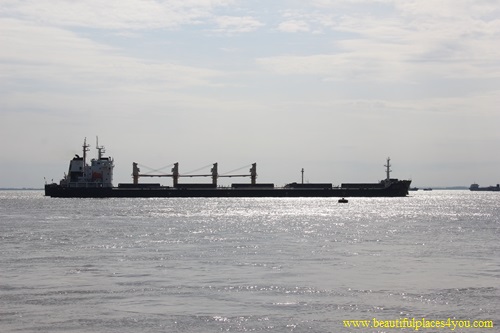
Jiangsu Nantong Yangtze River

Jiangsu Nantong Yangtze River

Jiangsu Nantong City
Nantong serves as a vital river and sea port due to its unique location where inland waterways meet the sea.

Jiangsu Nantong port along Yangtze River
In the late 19th and early 20th centuries, the scholar-industrialist Zhang Jian transformed Nantong into a model of early modern industry. He established pioneering cotton textile mills, shipping lines, and China's very first private museum. This industrial and commercial legacy endures today through its active major ports, including Tiansheng, Langshan, and Nantong.
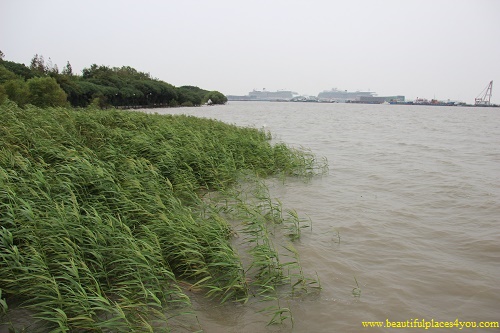
Shanghai Wusong Paotaiwan Wetland National Forest Park
This park is located at the confluence of Huangpu, Yangtze and Yunzaobang rivers.
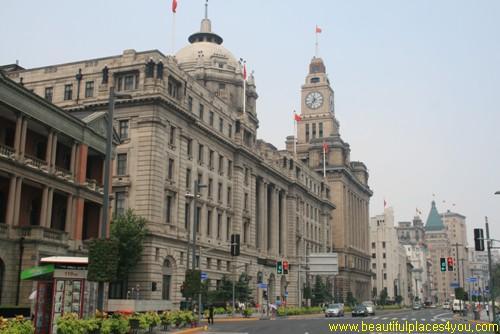
Shanghai City
Shanghai sits at the mouth of the Yangtze River, serving as China's economic focal point where the waterway meets the East China Sea.
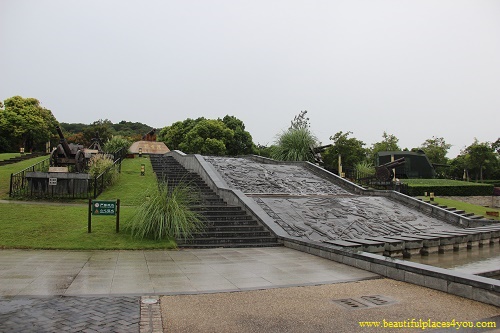
Shanghai Wusong Paotaiwan Wetland National Forest Park Wusong Emplacement Memorial Square
The Wusong Emplacement Memorial Square was in this park as it was the site of gun emplacements along Huangpu and Chang Jiang river. They saw action during the major conflicts: - Opium War (1842), Songhu Anti Japanese War (1932 and 1937) and Wusong Battle for Shanghai Liberation (1949).
This one of the five major Qing-dynasty Yangtze River defense strongholds. Listed from east to west, are Wusongkou, Langshan, Jiangyin, Sanjiangying, and Xiangshan in Zhenjiang.

Shanghai Chongminig Island
Chongming island at the mouth of the Yangtze River is the 3rd largest island in China.

Shanghai Yangtze River

Shanghai Yangtze River
The Yangtze River flow pass the last major city along its course before reaching the sea.

Shanghai Yangtze River
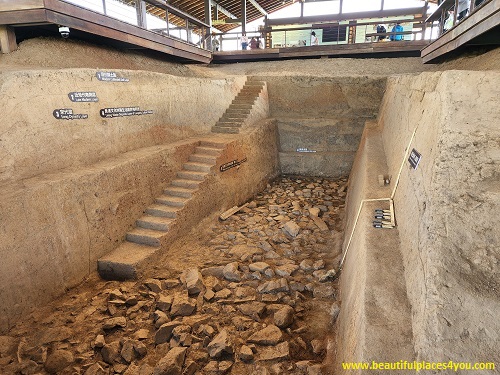
Liangzhu Culture (c. 3300–2300 BC)
The late Neolithic Liangzhu culture (3300–2300 BCE) flourished in the lower Yangtze River Delta. It was the last Chinese Neolithic jade culture featuring a complex urban capital, massive hydraulic dams, and highly stratified burials rich in ritual jade.
Hangzhou City Archaeological Ruins of Liangzhu City is one of the Liangzhu culture sites.