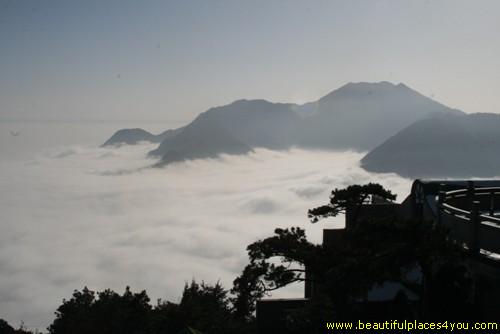
Lushan
he scenery and sea cloud that Lu Shan is famous for.
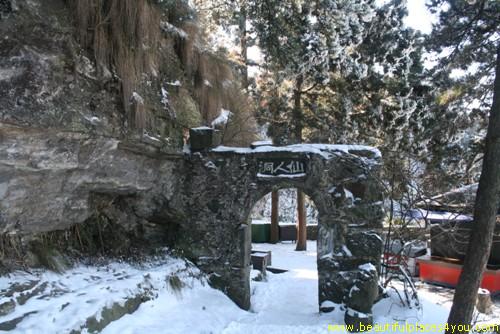
Immortal Cave
The temple cave is a key attraction in Lu Shan.
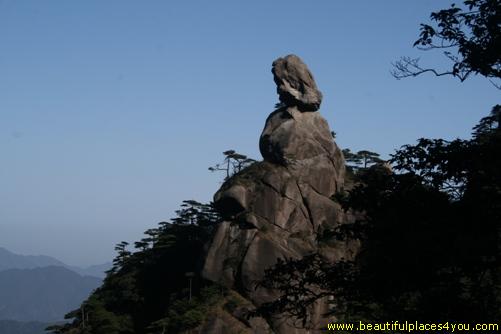
Sanqingshan
Granite landscape has interesting forms. Here is one in the shape of a Goddess.

Sanqingshan
Granite landscape has interesting forms. Here is one in the shape of a camel.

Sanqingshan
Frozen footpaths.
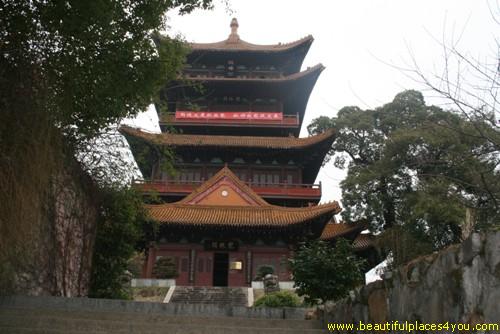
Longzu Pavilion
Icon of Jingdezhen city built in the Tang Dynasty and now houses a museum on porcelains.
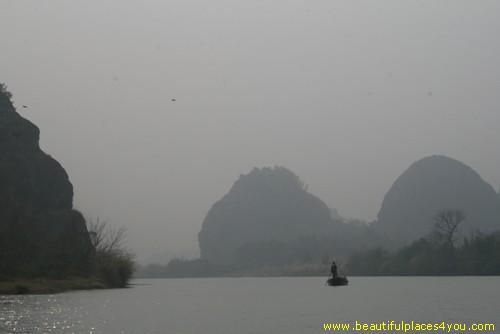
Longhu Shan
Longhu Mountain is a Danxia landform with numerous mountains with a shadow river running through the valleys.
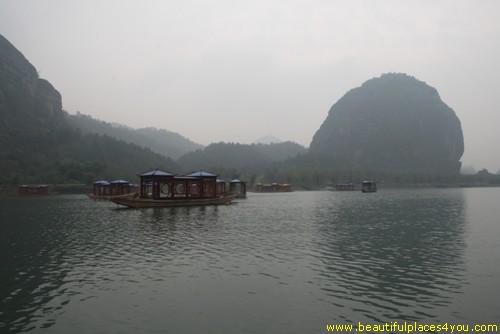
Longhu Shan
It was a fairly relaxing tour with rides on the river raft and a bit of walking around the Mountain.
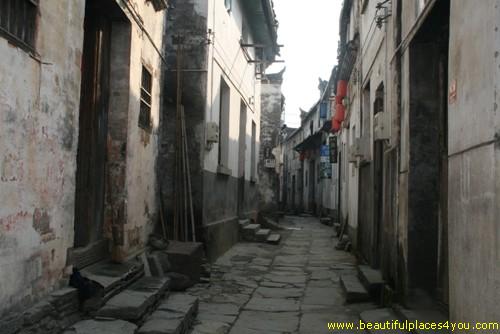
Wuyuan Village
Walkway between houses.
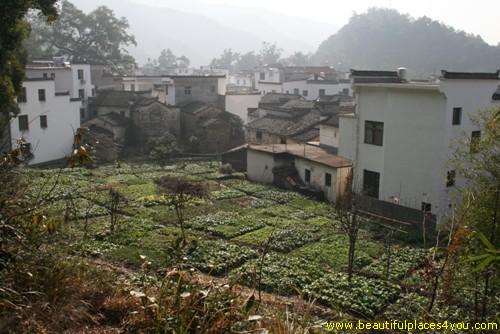
Xiaoqi Ancient Village
Farms behind the villagers' houses with local architectural style - Huipai design
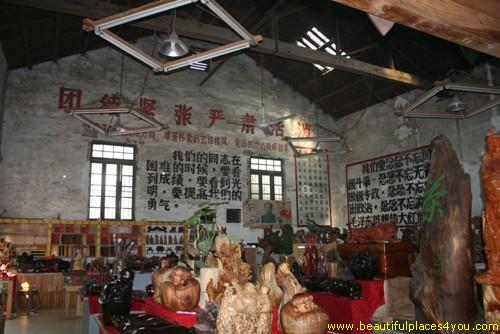
Xiaoqi Ancient Village
Shop with cultural revolution slogans
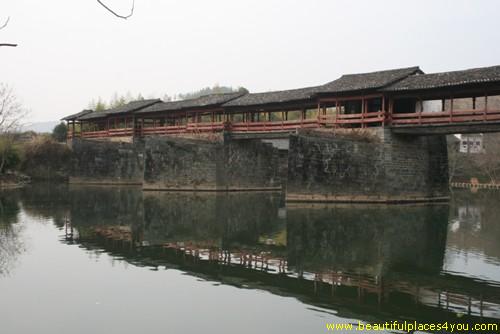
Rainbow Bridge
800 years old bridge built during the Southern song Dynasty. The bridge is unique as it was designed with a roof and built entirely with wood.
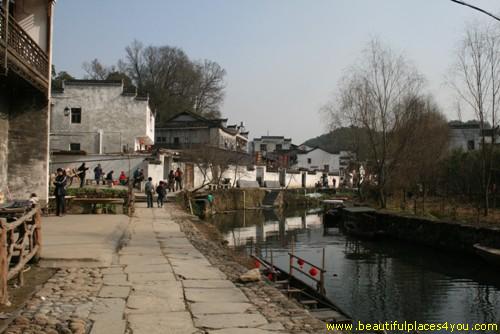
Likeng Anicent Village
This village was built during the Northern Song period in 1010AD. The river runs through the village providing them with water for daily use, farming and means of transportation.
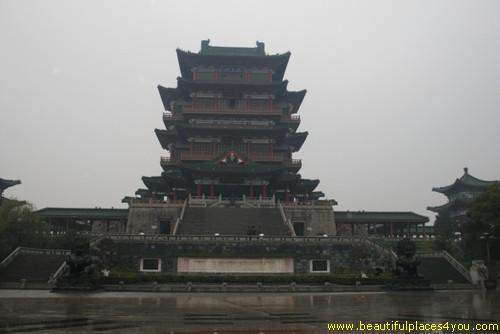
Tenghuang Pavilion
Tenghuang Pavilion which was one of the 4 famous one in China built 1300 years ago. The pavilion has a grand exterior and it has a museum with models that shows how the exterior design has changed over the different dynasties.
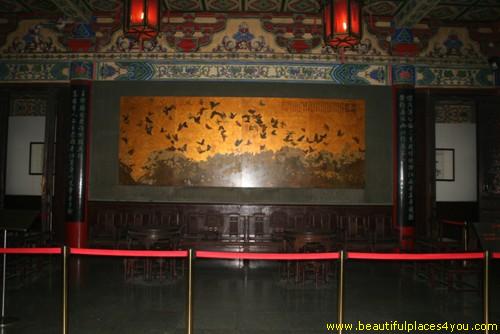
Interior of pavilion
The Ming Dynasty founding Emperor had hosted a dinner here to celebrate a key battle victory during his conquest of the entire country.
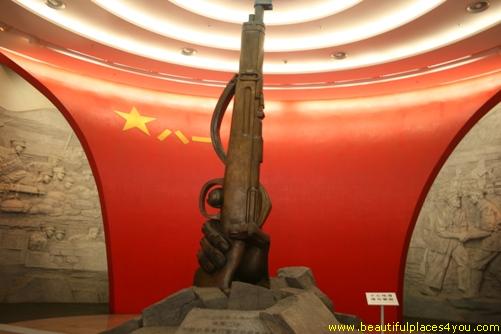
Revolutionary Museum
The admission to the museum is free but the lesson learnt was you had to collect the tickets at designated hours and you have to be there early.
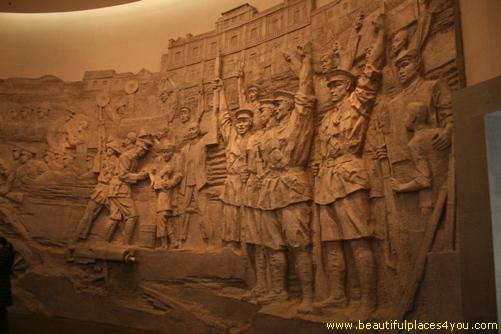
Revolutionary Museum
The museum about the 1st Aug 1937 uprising which also symbolize the formation of the present day People s Liberation Army. Part of the museum was an old hotel where the uprising leaders stayed and used as the command post.
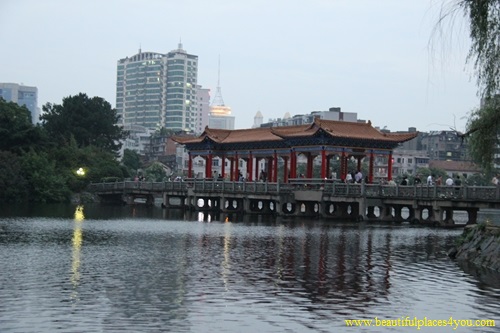
Nanchang Baiyi Park

Nanchang Greenland Central Plaza

Nanchang Changbei International Airport
Domestic Departure Terminal Local products shop in domestic departure hall. The airport opened in 1999.
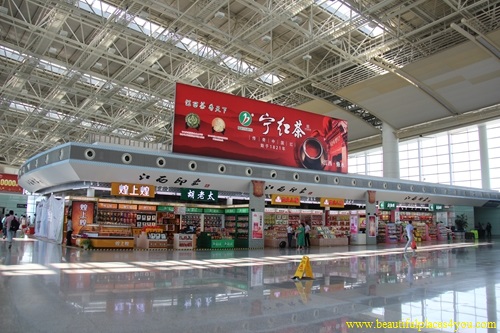
Nanchang Changbei International Airport
Domestic Departure Terminal Local products shop in domestic departure hall. The airport opened in 1999.
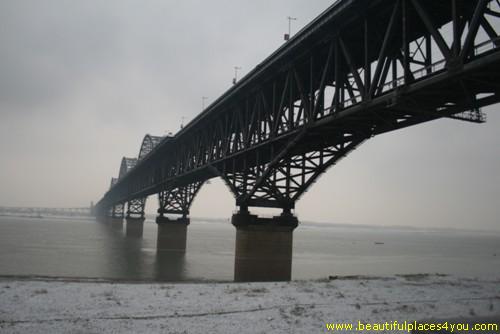
Changjiang Bridge
Changjiang bridge linking Jiangxi and Hubei.
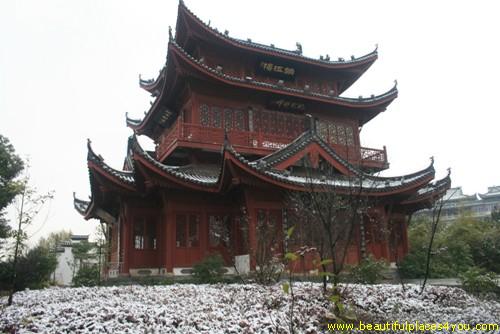
Suojiang Pavilion
Soujianglou consisted of a pavilion and a pagoda. The pagoda was hit by Japanese artillery shelling in Jun1938. It was damaged and tilted but did not collapse. The tilted pagoda became the rallying symbol of the Chinese resistance to the Japanese invasion for the locals.
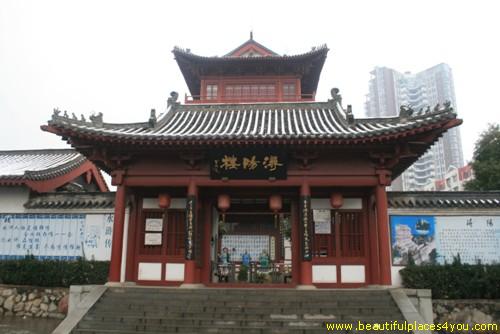
Xunyang Luo
Xunyang Pavilion was actually a 4 storey hotel built in the Tang Dynasty but made famous after being mentioned in the "Water Margin" story.
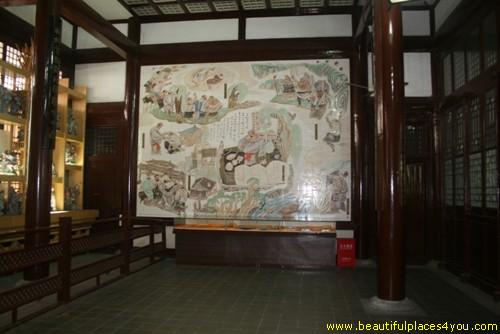
Interior of Xunyang Luo
The artwork on the wall is a scene in the hotel during the ancient times .
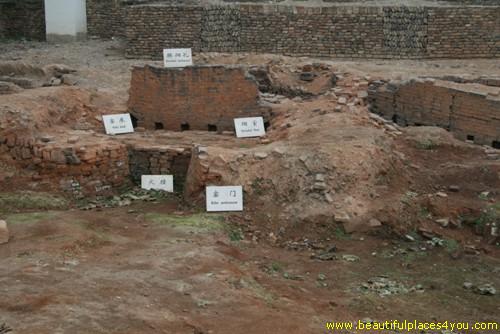
Ancient Porcelain Production Site
Site where the royal kilns were found.
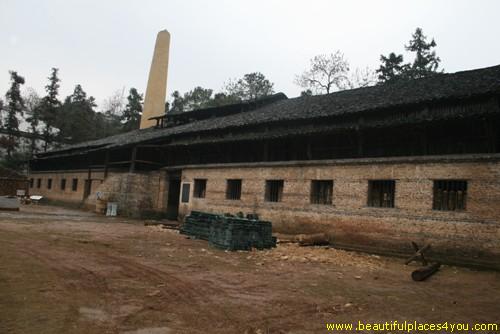
Kiln
Kiln used for porcelain production.
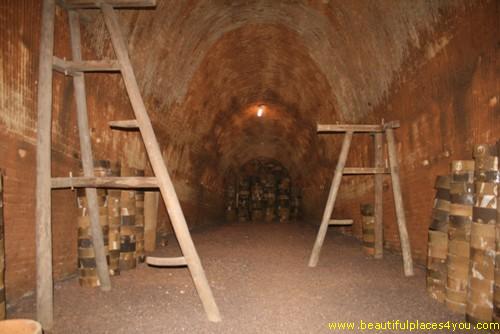
Interior of Kiln
Porcelain pieces are placed in the wooden containers and stacked up in the kiln for the heating process.
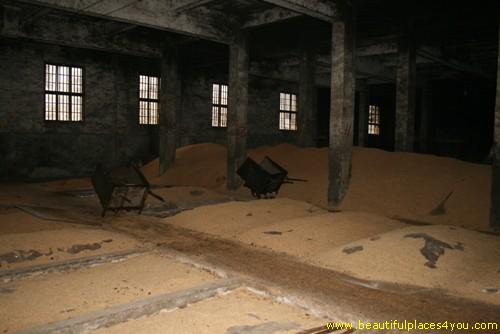
Wuyuan winery
The local Wuyuan winery.

Ganzhou Ancient City Wall, Ganzhou City Zhanggong District
A major cultural heritage site under national-level protection.
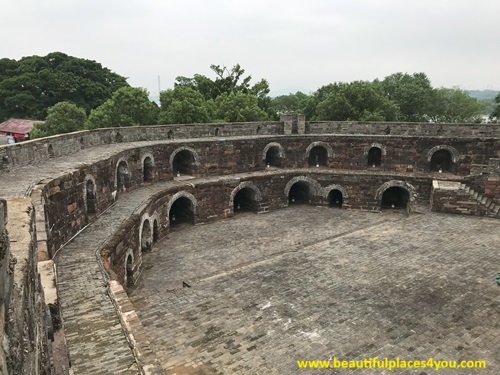
Ganzhou Ancient City Wall, Ganzhou City Zhanggong District
A major cultural heritage site under national-level protection.
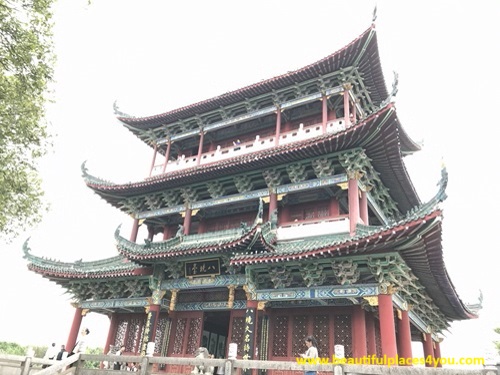
Bajing Pavilion
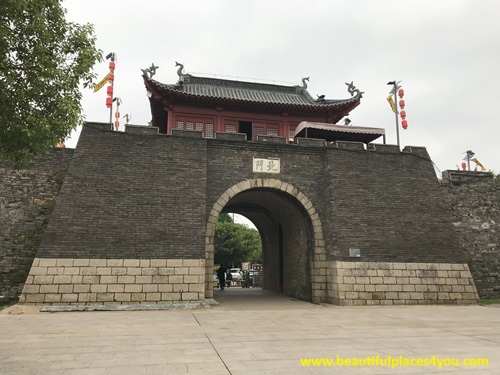
Military Gate Building
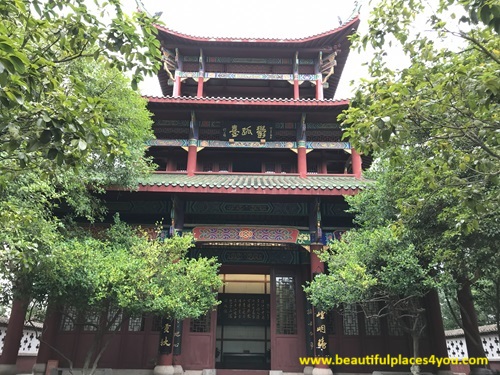
Yugu Pavilion
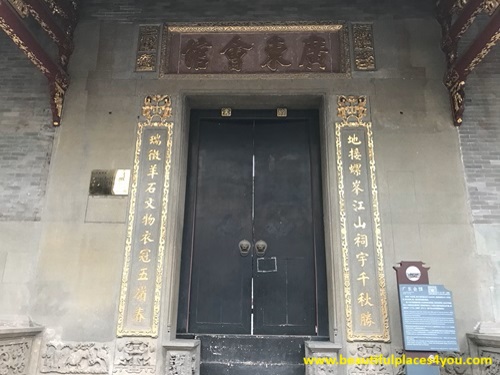
Guangdong Guild Hall, Ganzhou Yugu Pavilion Historical and Cultural Street
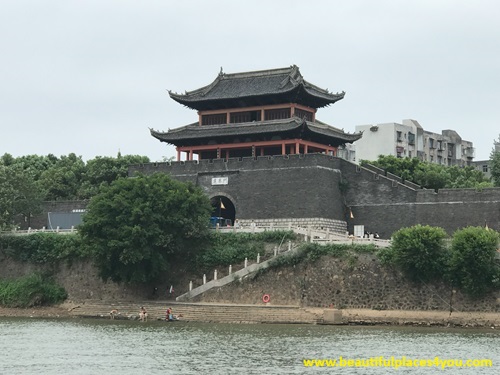
Jianchun Gate
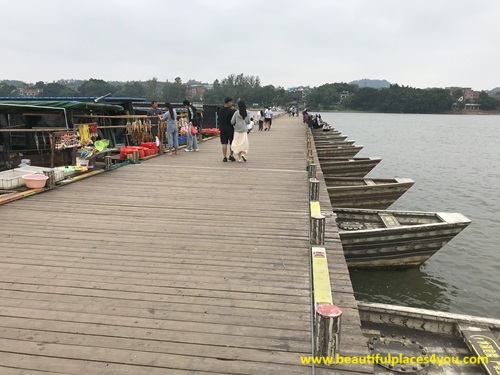
Ganzhou Song Dynasty Ancient Floating Bridge Relic Site
Floating bridge across Gongshui River.
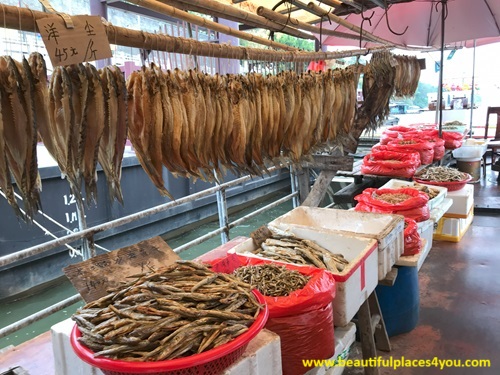
Local produce
Local produce sold on Gongshui River boats
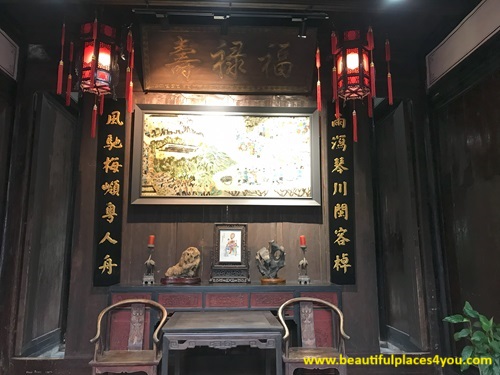
Shouliang Ancient Temple
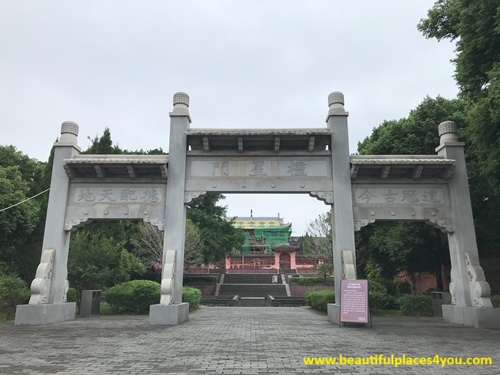
Ganzhou Confucius Temple, Ganzhou City
A major cultural heritage site under national-level protection.
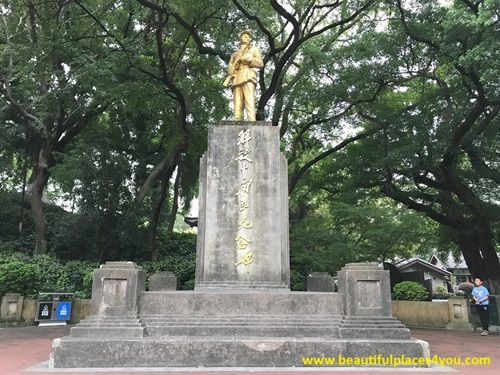
Ganzhou Park 10th Anniversary of Liberation Monument
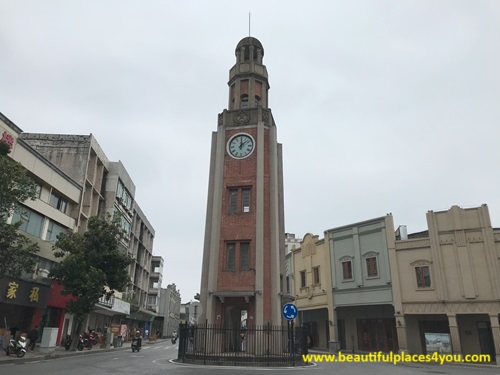
Clock Tower
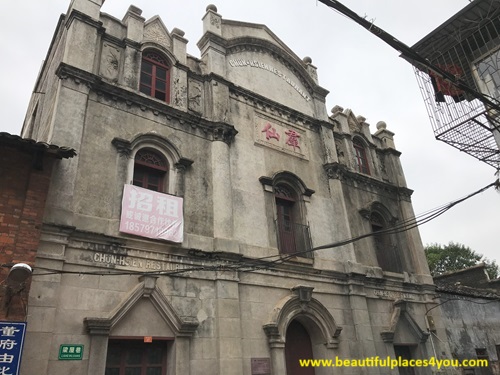
Ganzhou Historical Building
This is a Republican Period protected old building at No 37 Liangwu Lane.

Fushou Drain Museum
The museum housed a section of the drainage system was built 900 years ago and still in use. A major cultural heritage site under national-level protection.

Wei Family Mansion

Wei Family Mansion
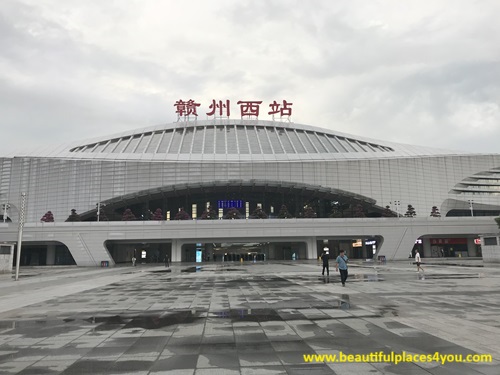
Ganzhou West Railway Station, Ganzhou City Nankang District
The railway station opened in 2019.

Cradle of Republic Scenic Area, Yeping Village, Ruijin City
The Chinese Soviet Republic was established in Ruijin on 7 november 1931 giving the leaders experience in managing part, military and state. The cradle of Republic scenic area covers Yeping, Red well, 2nd Congresses of the Chinese Soviet Republic and Chinese Soviet Memorial Park. 9 state founders, 8 Senior generals, 35 generals, 114 lieutenant generals and 440 major generals were among those who have lived and worke here.

Cradle of Republic Scenic Area Former Residence of Chairman Mao, Yeping Village, Ruijin City
Chairman Mao lived here from 1931 to 1933. He used to read books and newspapers under the tree.

Cradle of Republic Scenic Area Former Site of Central Printing House of CSR, Yeping Village, Ruijin City
It was founded in August 1931 to print slogans, leafets, documents and materials for the central government.

Cradle of Republic Scenic Area General Treasury, Yeping Village, Ruijin City
The General Treasury was founded in 1933 by the Central Finance Department. It was responsible for the cash receipt, payment and custody.
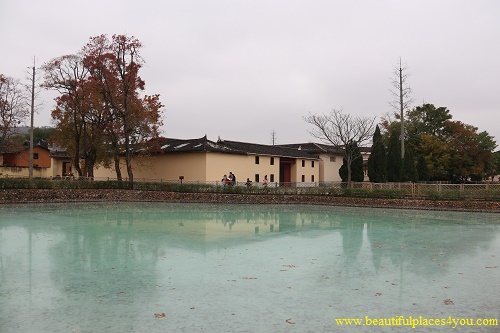
Red Well Scenic Spot, Shazhouba Village, Ruijin City
The Provisional Central Government of the Chinese Soviet Republic moved here from Yeping in April 1933. It became the 2nd settlement for the government leaders including Chairman Mao. In July 1934, they moved from here to Yunshi Mountian in Ruijin.

Red Well Scenic Spot Former Residence of Chairman Mao, Shazhouba Village, Ruijin City
Chairman Mao lived and worked here from April 1933 to July 1934.

Red Well Scenic Spot Former Residence of Chairman Mao , Shazhouba Village, Ruijin City
Chairman Mao frequently read under the tree outside his residence.

Red Well Scenic Spot Former Residence of Chairman Mao , Shazhouba Village, Ruijin City
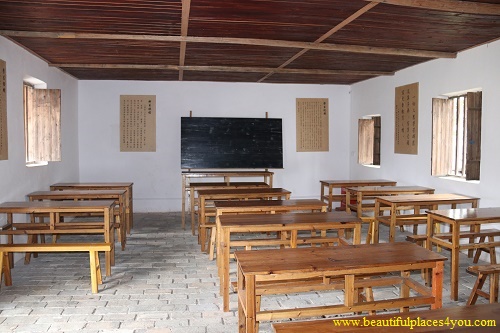
Red Well Scenic Spot Lenin Primary School, Shazhouba Village, Ruijin City
Schools were setup within the Soviet to provide 5 years of education.
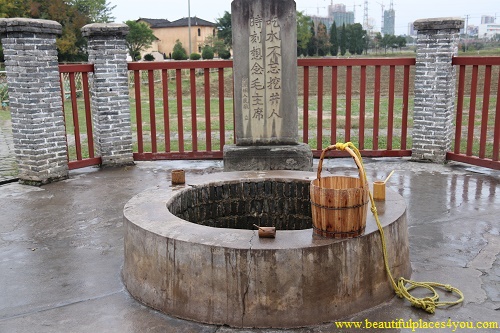
Red Well Scenic Spot Red Well, Shazhouba Village, Ruijin City
Chairman Mao led a team to dug this well in September 1933.

Red Well Scenic Spot Former Site of the High Court, Shazhouba Village, Ruijin City

Red Well Scenic Spot Former Site of Audit Committee, Shazhouba Village, Ruijin City
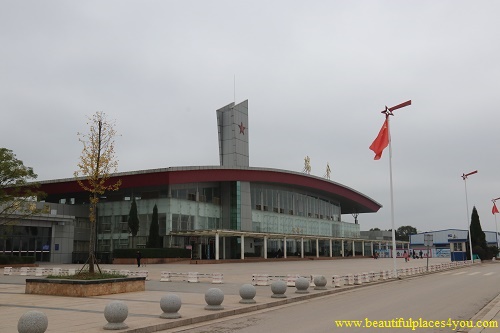
Ruijin Railway Station
The railway station opened in 2005.

Yudu Railway Station, Yudu County
The railway station opened in 2005.
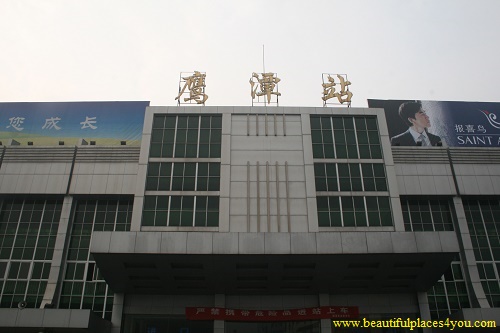
Yingtan Railway Station
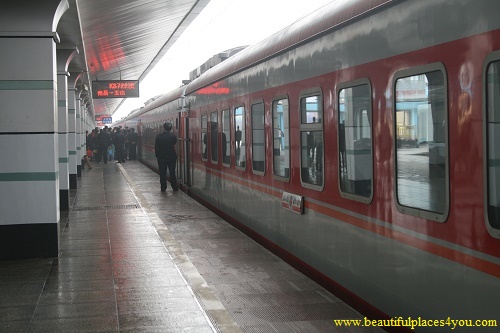
Yingtan Railway Station
The railway station opened in 1936.
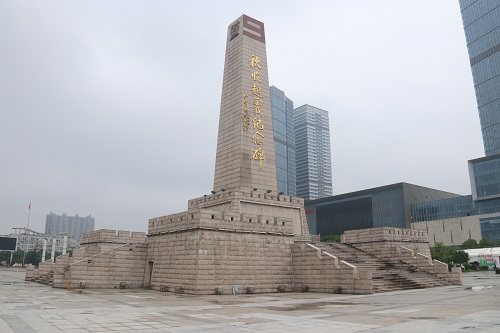
Autumn Harvest Uprising Monument
Autumn Harvest Uprising took place on 9 Sept 1927. It was the second uprising after the Nanchang Uprising. Together with the Guangzhou Uprising, they were the three key uprisings.

Site of Military Conference Autumn Harvest Uprising
Chairman Mao held the meeting for the uprising at this site.

Site of the First Continuation School for Anyuan Rails and Mine Workers
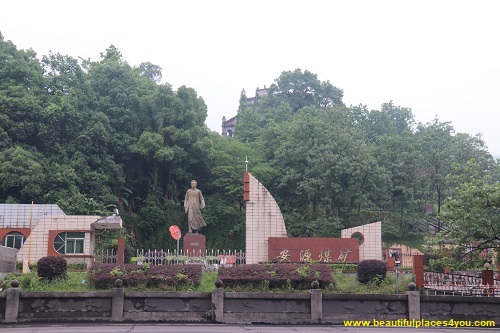
Anyuan Coal Mine
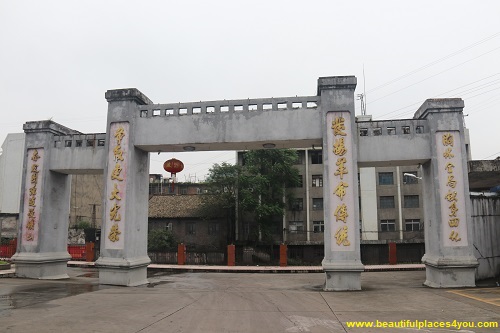
Anyuan Coal Mine

Anyuan Coal Mine Former Residence of Chairman Mao
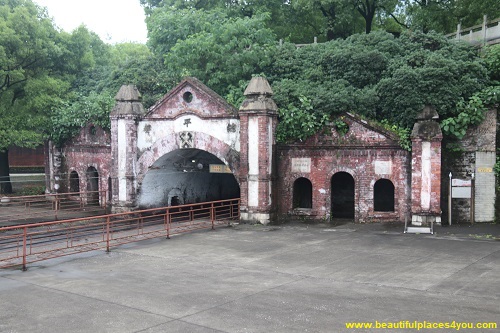
Anyuan Coal Mine Zongping Tunnel
Chairman Mao was met mine workers here in the fall of 1921 to investigate the hardship of the miners. He was back in 1930 with the First Red Army and went down the coal mine well to meet the miners. The 14 September 1922 Anyaun Rail and Mine worer strike started here A National Historical and Cultural Site.

Anyuan Coal Mine Negotiation Site during the Anyuan Rails and Mine Workers strike
The second stoey of this building is the negotiation site during the September 1922 Anyuan Rails and Mine Workers strike. The workers were represented by Liu Shaoqi. A National Historical and Cultural Site.

Anyuan Coal Mine Former Residence for German Engineers
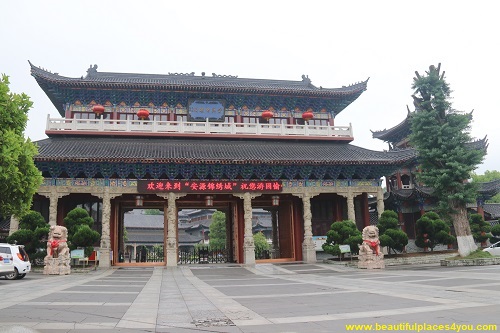
Pingxiang Movie Studio
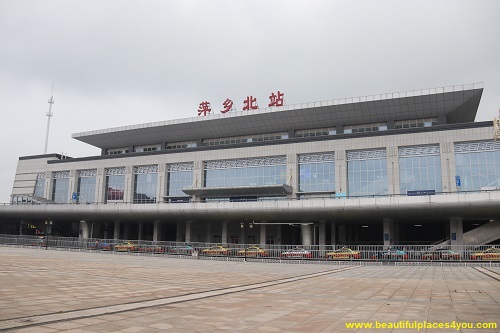
Pingxiang North Railway Station
The railway station opened in 2014.
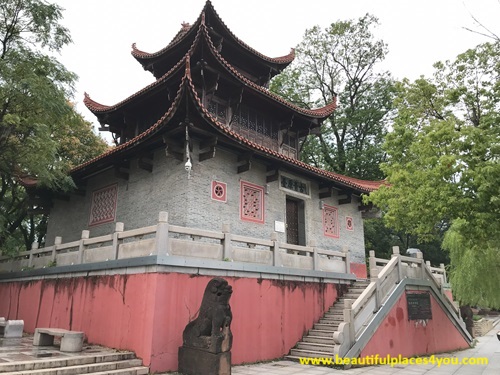
Bell and Drum Tower
Part of the properties under Bailuzhou Academy as a major cultural heritage site under national-level protection.
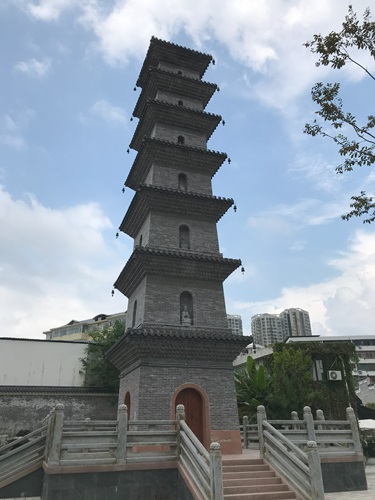
Jiang Shideng Pagoda, Water Alley Historical and Cultural Block
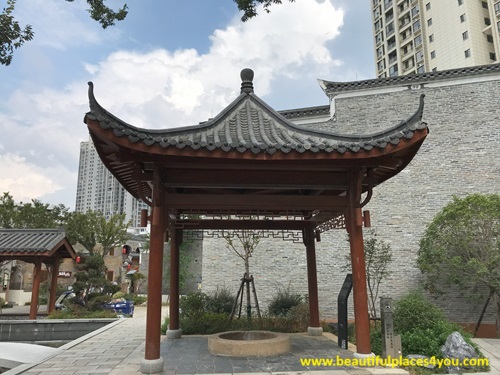
Ancient Well, Water Alley Historical and Cultural Block

Ji'an West Railway Station
The railway station opened in 2019.

Xinyu Confucius Temple
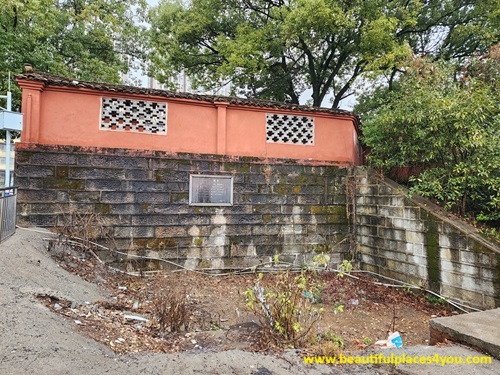
Xinyu Ancient Wall

Xinyu Railway Station

Xinyu North Railway Station

Zhengjue Temple

Wenchangli Historical and Cultural block
This historical and cultural block has 13 streets and over 50 buildings from Ming and Qing Dynasty period

Wenchangli Historical and Cultural block
This historical and cultural block has 13 streets and over 50 buildings from Ming and Qing Dynasty period
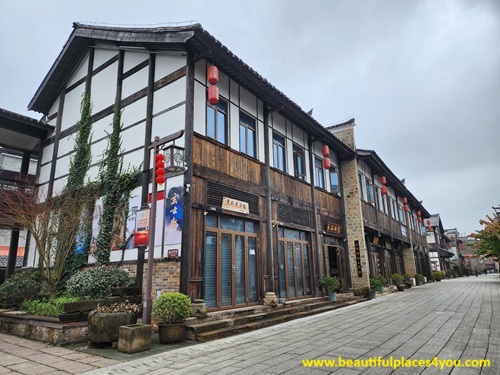
Wenchangli Historical and Cultural block
This historical and cultural block has 13 streets and over 50 buildings from Ming and Qing Dynasty period