Home » Silk Road

Silk Road

by ckylsss08@gmail.com

丝绸之路 Silk Road

Spanning 6,400 kilometers, the Silk Road linked China to the Mediterranean, Europe, Central Asia, and the Middle East. Beyond commerce, this historic network drove the rapid spread of diverse cultures, languages, religions, and scientific breakthroughs across the Eurasian continent.

Chinese Production Centers and Starting Point

Location:

Travel Information:

Honours:

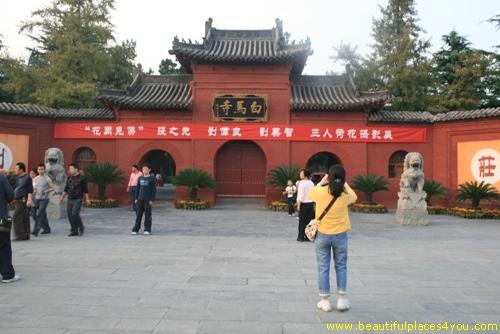
Luoyang White Horse Temple

As Buddhism spread into China along the early Silk Road, the first official Buddhist temple was constructed in 68 AD under the Eastern Han dynasty.
Luoyang was the eastern starting point of the Silk Road during the Han and Tang dynasties.
Luoyang Longmen Grottoes

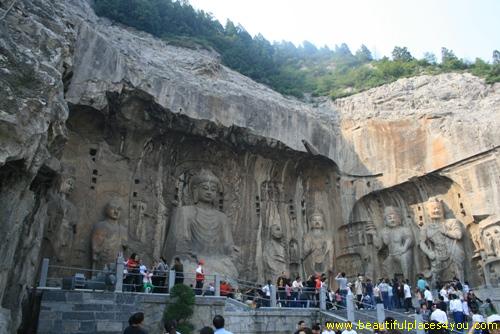
The Silk Road features a network of ancient Buddhist grottoes that served as spiritual stations, art hubs, and monuments of cultural exchange between China, Central Asia, and India. The practice of carving rock-cut cave temples originated in India.
Emperor Xiaowen established the Longmen Grottoes in 494 CE. The monument celebrated moving the Northern Wei capital. It also championed Buddhism and displayed imperial dominance. Over later centuries, rulers and wealthy donors expanded the site.
Xian

Xian is the eastern starting point of the ancient Silk Road from the 2nd century BCE, during the Han Dynasty under the reign of Emperor Wu
It served as a major hub for goods, culture, and traders, and grew into one of the largest city in ancient times and served as the imperial capital for 13 dynasties over a span of more than 1,000 years
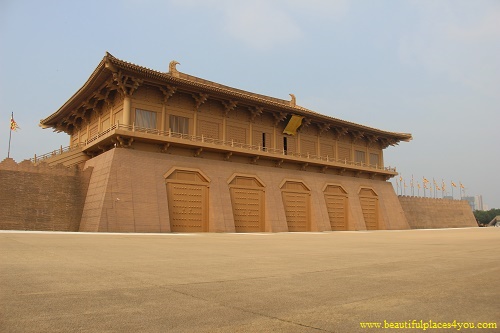
Xian Daming Palace was the imperial palace complex of the Tang Dynasty. A UNESCO World Heritage Site.
Xian Giant Wild Goose Pagoda

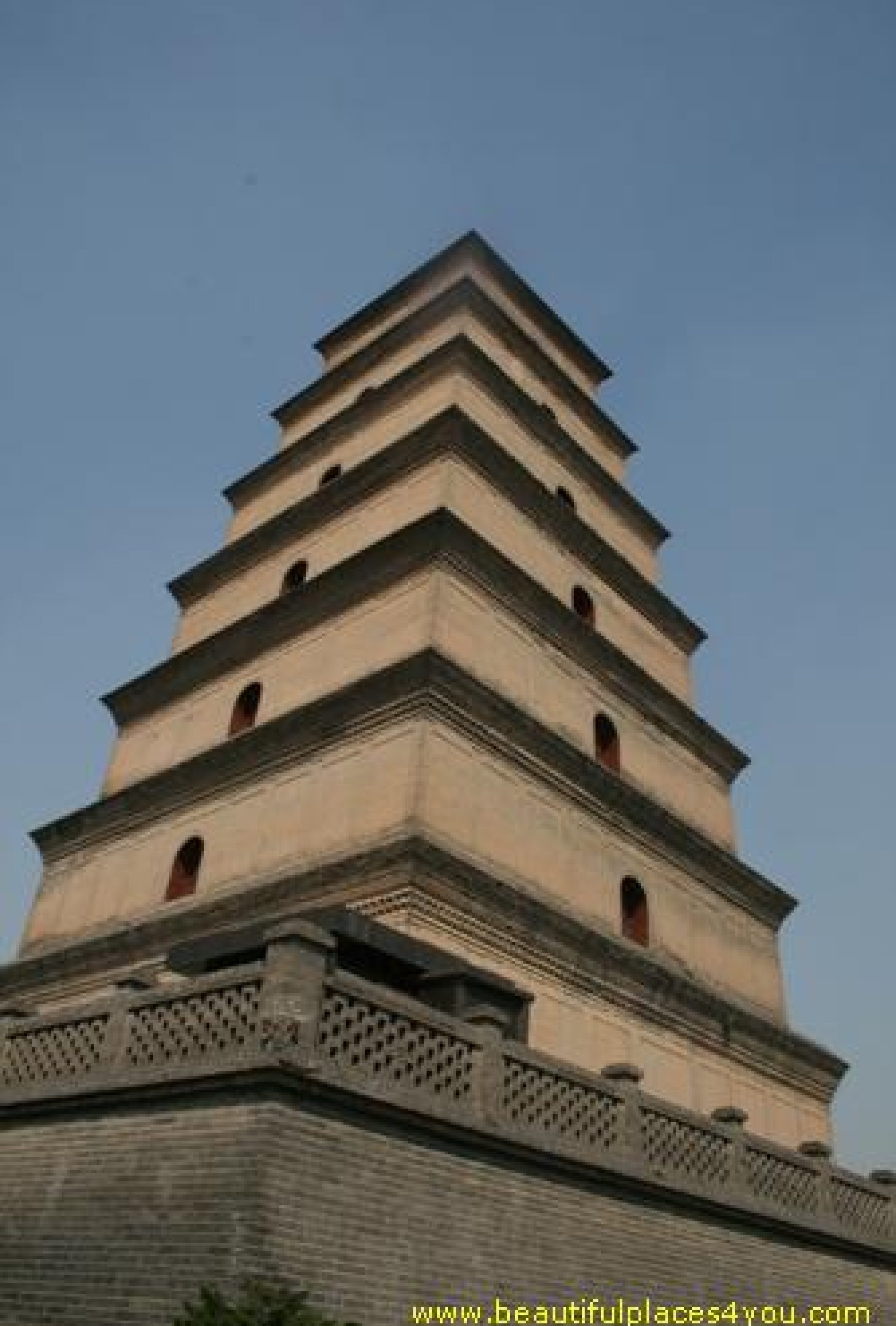
Xian Giant Wild Goose Pagoda


A UNESCO World Heritage Site
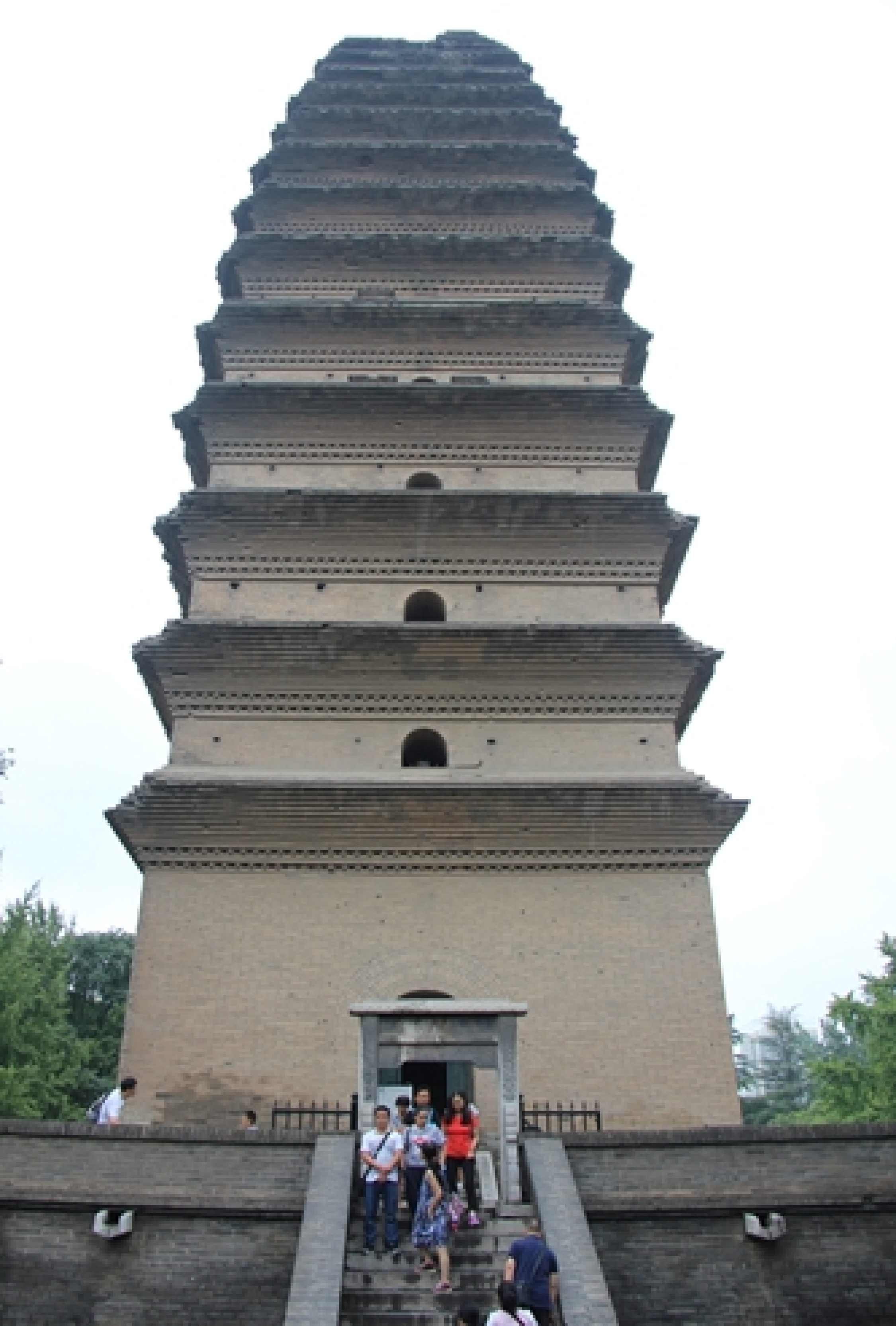
Xian Small Wild Goose Pagoda 1

Xian Small Wild Goose Pagoda


A UNESCO World Heritage Site
Xianyang

Baoji

Tianshui Maijishan Grottoes

Merchants, monks, and travelers moving between Chang'an (Xi'an) and Central Asia brought Buddhism from India. This cultural exchange inspired artists to carve more than 7,000 Buddhist sculptures into the red sandstone cliffs over 1,600 years from the Later Qin era (384–417 CE) of the Sixteen Kingdoms period.<br/> After Tianshui, the next stop is Dingxi before the travelers reach the start of the Hexi Corridor, Lanzhou.

Hexi Corridor

Location:

Travel Information:

Honours:

Lanzhou

Wuwei

Jinchang

Zhangye

Jiuquan

Jiayuguan

Guazhou

Dunhuang

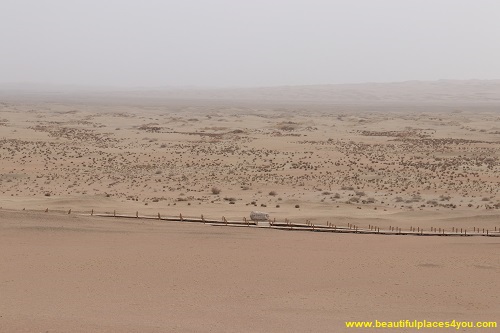
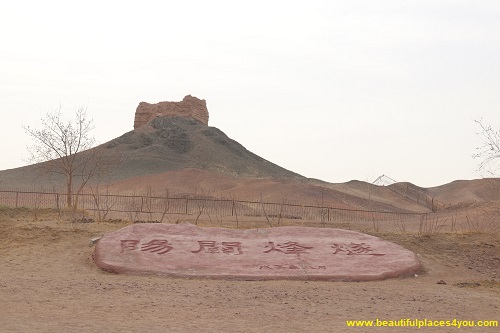
Yangguan

Yangguan

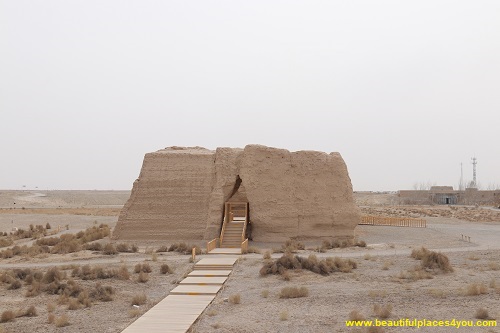
Yumen Pass

Northern Route

Location:

Travel Information:

Honours:

Silk Road Northern Route

The Silk Road Northern Route starts at Dunhuang pass through key cities of Hami, Turpan, Urumqi and ends at Yining within China. From Yining, it leads into Central Asia and Europe.

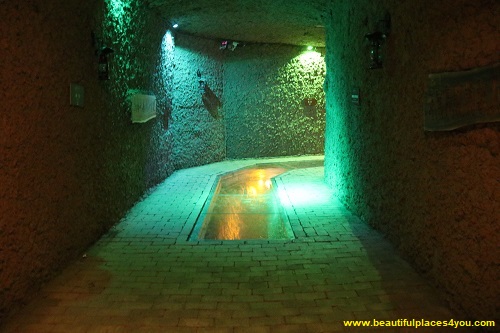
Hami King's Palace

Hami is a key oasis city, military stronghold, and cultural melting pot where traders meet.
Nine generations of Hami Kings managed local administration while paying tribute to the Chinese imperial court during the Qing Dynasty.
Southern Route

Location:

Travel Information:

Honours:

Silk Road Southern Route

The Silk Road Southern Route starts at Dunhuang Yangguan Pass and move pass key cites of Loulan, Miran, Qiemo, Niya, Khotan, Pishan and ends at Kashgar.

Silk Road Southern Route

Loulan was an ancient oasis kingdom near Lop Nur that acted as a crucial gateway near Duhuang. It was later abandoned due to desertification.
Miran was an important garrison town and Buddhist center
Qiemo was a stopover oasis city for merchants seeking food, water, and jade.
Niya is known as the "Pompeii of the Silk Road" due to the preserved archaeological site of the ancient Kingdom of Shanshan.
Khotan is well known for its jade, silk production, and as an influential center of Buddhist learning Pishan is a settlement linking the high-altitude mountain passes of the Karakoram with the desert routes

Kashgar

Kashgar is a key city along the Silkroad. Both the Northern and Southern Route ends here. Kashgar is the gateway to cross the Pamir Mountains into Central Asia and Europe

Central Route

Location:

Travel Information:

Honours:

Silk Road Central Route

The Silk Road Central Route starts at Dunhuang and passes thrught Turpan, Korla, Kuqa, Aksu and ends at Kashgar.

Turpan underground Karez water system

Turpan is a vital oasis hub and strategic fortress along the Silk Road. The underground Karez water system captures melting snow from nearby mountains to support agriculture (like grapes and cotton) to sustain the desert economy.

Silk Road Central Route

Korla and Kuqa are historic oasis hubs along the Silk Road near the ancient Qiuci (Kucha) Buddhist kingdom culture.

Countries along the SilkRoad

Location:

Travel Information:

Honours:

South Asia

India is connected to the Silk Road via the Southern spur. There are Silk Road sites in seven states in India.
China exported luxury goods like silk, porcelain, ironware, and tea, while India supplied fine textiles, spices, sandalwood, gems, and incense. The Silk Road introduced Buddhist scriptures from India into China.

Central Asia

Central Asia connects China, Persia, India, and Europe through a vast network of oasis towns, desert tracks, and mountain passes.
Kazakhstan
Kyrgyzstan
Uzbekistan
Turkmenistan
Tajikistan

Middle East & Western Asia

Middle East and Western Asia connects overland routes from Central Asia and maritime lanes from India and China to the Mediterranean ports of Europe
Afghanistan
Iran
Iraq
Syria
Turkey

European Endpoints

Greece
Egypt
Italy is the western terminus of the Silk Road with good exchanged through overland or maritime route. Key Italian hubs include Venice, home of explorer Marco Polo; Como, Europe's modern luxury silk capital; Bologna and Prato, connected by historic textile trails; and Catanzaro and San Floro in Calabria, which preserves rare southern sericulture traditions

You may also like